CBRT Governor Karahan Warns of Slower Disinflation, Vows to Maintain Tight Policy
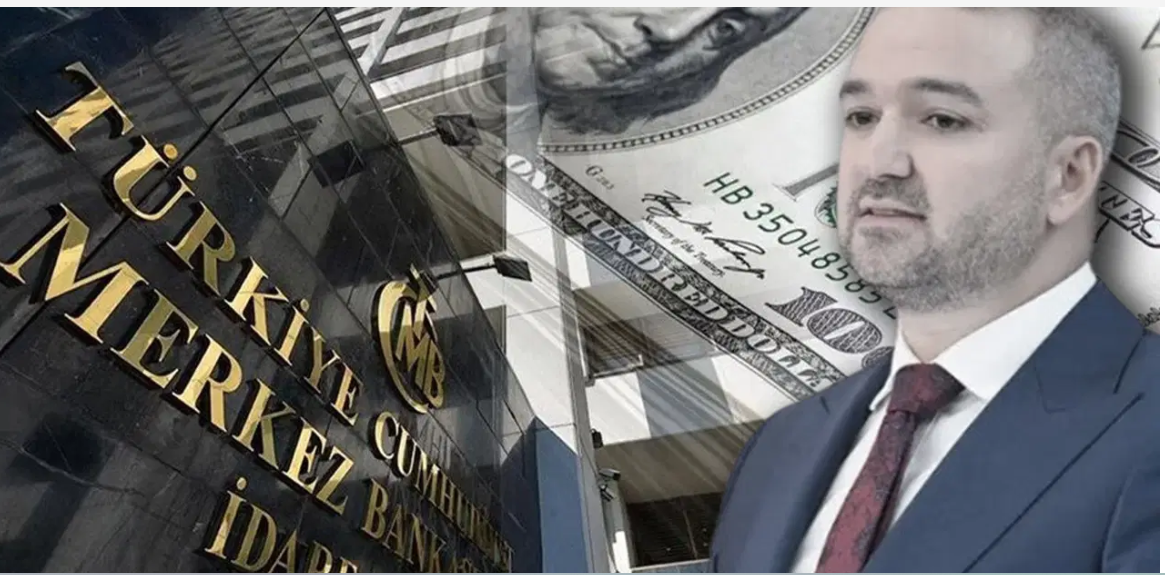 karahan-tcmb
Summary:
Central Bank Governor Fatih Karahan told Parliament’s Planning and Budget Commission that Turkey’s disinflation process has “slowed but remains on track,” signaling the Bank will maintain its tight monetary stance until inflation expectations are firmly anchored. Karahan underlined that while domestic demand continues to cool, structural price pressures — especially in food and services — persist.
ANALYSIS: September Inflation Data Challenges TCMB’s Rate Cut Plans
“Disinflation Has Slowed, But Policy Will Remain Tight”
In his address to the Turkish Grand National Assembly’s Planning and Budget Commission, Central Bank Governor Fatih Karahan said that the CBRT’s tight monetary policy is delivering gradual results but warned that the pace of disinflation has “slowed since mid-2024.”
“We continue to observe the results of our tight monetary policy gradually,” Karahan said. “While domestic demand is slowing, demand conditions remain consistent with a disinflationary path. Despite the recent moderation, we will ensure that inflation aligns with our interim targets through determined policy steps.”
He reiterated the Bank’s commitment to restoring price stability, saying all monetary tools will continue to be used decisively.
Global Inflation Risks Still Linger
Karahan noted that risks surrounding global inflation “have not completely disappeared,” emphasizing that central banks worldwide are approaching rate cuts cautiously.
“Global risks persist,” he said. “Other central banks are reducing interest rates with due consideration of these risks, and so will we — but only when we are confident that price stability is secured.”
CBRT: Food and Services Drive Monthly Price Increases in September, “Main Trend Rising”
Shift in Domestic Demand Composition
The governor said the economy is undergoing a “healthy rebalancing” in demand composition as a result of tighter policy.
“Compared with previous years, we see that total consumption growth has slowed in the first half of 2025, while investment growth has increased,” he explained.
This shift, he said, reflects the intended cooling of household spending alongside stronger capital formation — a pattern that supports disinflation in the medium term.
Inflation Pressures Centered in Food and Services
Karahan acknowledged that annual inflation rose in September, driven primarily by food and service price increases.
“In September, we observed an increase in annual consumer inflation, mainly due to food and services,” he said. “Monthly service inflation rose due to back-to-school effects, while food prices were influenced by supply-side shocks such as frost and drought.”
He added that components with strong indexation to past inflation, including education and rents, have been especially sticky.
By contrast, restaurants and hotels, which are more sensitive to demand conditions, showed more moderate price increases.
Rents Still Running Above Expectations
Karahan admitted that rent inflation remains higher than projections, driven by supply constraints related to urban transformation and post-earthquake reconstruction.
“We must note that rent inflation is running higher than expected due to structural factors in the housing market,” he said.
He also highlighted that while annual inflation still reflects the impact of past price hikes, the Bank focuses on core trend indicators to gauge the near-term outlook.
Core Inflation Trend Suggests 26–28% Pace
Karahan said the CBRT tracks six core indicators to understand underlying inflation dynamics.
“When we calculate the annualized trend for the last three months, the average of six core indicators points to a rate around 28 percent,” he said. “The median indicator — which tends to perform better — implies a trend near 26 percent.”
While both figures are below the headline inflation rate of 33.3%, Karahan noted they still signal a “slowing but ongoing disinflation process.”
Inflation Expectations Still a Risk
The governor said inflation expectations across sectors have “improved but remain above forecasts,” posing a continued risk to price stability.
“Expectations are improving, yet they still exceed our projections,” Karahan said. “This remains a risk factor for the disinflation process. Anchoring expectations is key to achieving lasting stability.”
Commitment to Tight Stance Until Price Stability Achieved
Karahan reaffirmed that the CBRT will maintain a tight monetary stance until lasting price stability is achieved.
“We will sustain our tight monetary stance until price stability is firmly established,” he said. “Alongside our inflation forecasts, we have started announcing interim targets that outline the path toward our medium-term 5 percent goal.”
Interim Inflation Targets Announced
In a key part of his speech, Karahan detailed new “interim inflation targets” that will serve as short-term milestones on the path to 5 percent medium-term inflation.
The targets are:
-
2026: 16 percent
-
2027: 9 percent
Karahan said these levels will remain unchanged unless extraordinary developments occur between reporting periods.
“Should inflation deviate significantly from these interim targets, we will tighten our monetary stance further,” he warned.
Focus on Transparency and Predictability
Karahan emphasized the Bank’s commitment to transparent communication with markets, saying consistent policy messaging will reinforce confidence.
“We value the distance we have covered toward price stability,” he said. “We will continue to implement all monetary policy tools resolutely and transparently.”
He added that trend-adjusted analyses of sales, consumption, and investment data would remain central to CBRT’s forward-looking assessments.
Analysis: CBRT Signals “Cautious Patience” Ahead of 2026 Targets
Economists interpreted Karahan’s tone as one of “cautious patience” — signaling no imminent rate cuts while highlighting confidence in medium-term disinflation.
Market analysts noted that his comments imply policy rates will likely stay high well into 2025, aligning with Turkey’s revised inflation trajectory and the CBRT’s recent communications strategy of credibility rebuilding through predictability and restraint.