Caught in the Crossfire: How the Iran-Israel War Undermines Erdoğan’s Agenda
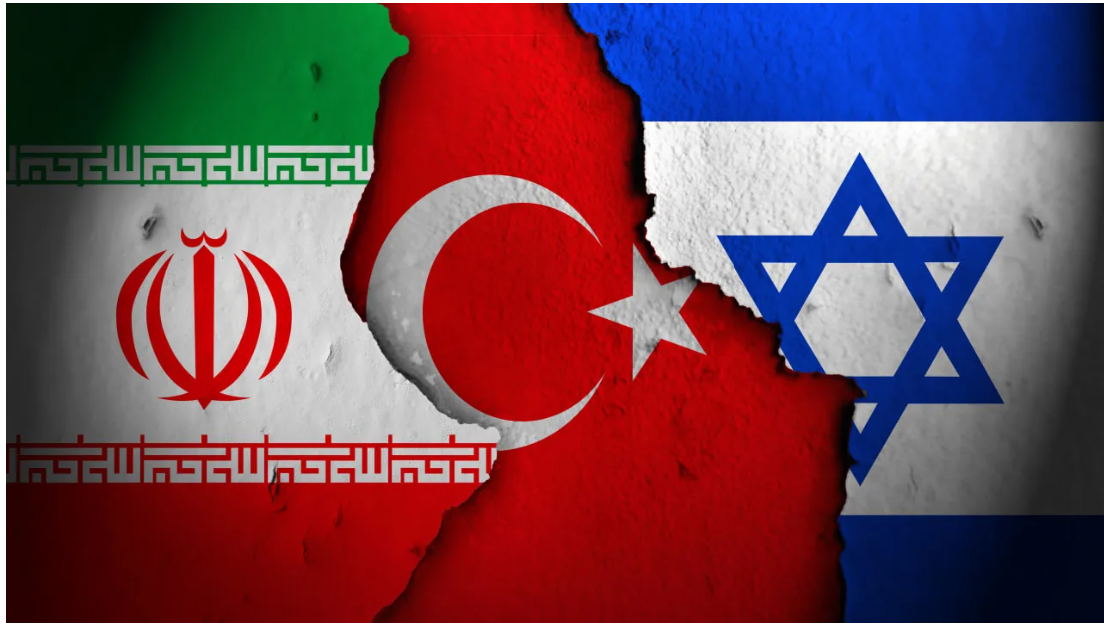 tr-iran-israel
By Gönül Tol
Summary:
The escalating Iran-Israel war is threatening Turkish President Recep Tayyip Erdoğan’s domestic and foreign policy agenda. From economic turmoil triggered by rising energy prices to mounting security risks on Turkey’s eastern border, Ankara finds itself in a precarious position. The conflict also jeopardizes Erdoğan’s recent diplomatic efforts and his strategy to secure political longevity at home — especially as Turkey becomes increasingly entangled, directly or indirectly, in the regional fallout.
When Israel assassinated Lebanese Hizbollah commander Hassan Nasrallah late last year, Turkish President Recep Tayyip Erdoğan expressed solidarity with Lebanon — but pointedly omitted any mention of Nasrallah. The omission didn’t go unnoticed in Washington. Ankara’s message was clear: it quietly welcomed the weakening of Iran’s proxies, which have long undermined Turkey’s influence across the region. A weakened Iran, Erdoğan hoped, would open space for Turkey to maneuver more freely from Iraq to Syria to Lebanon.
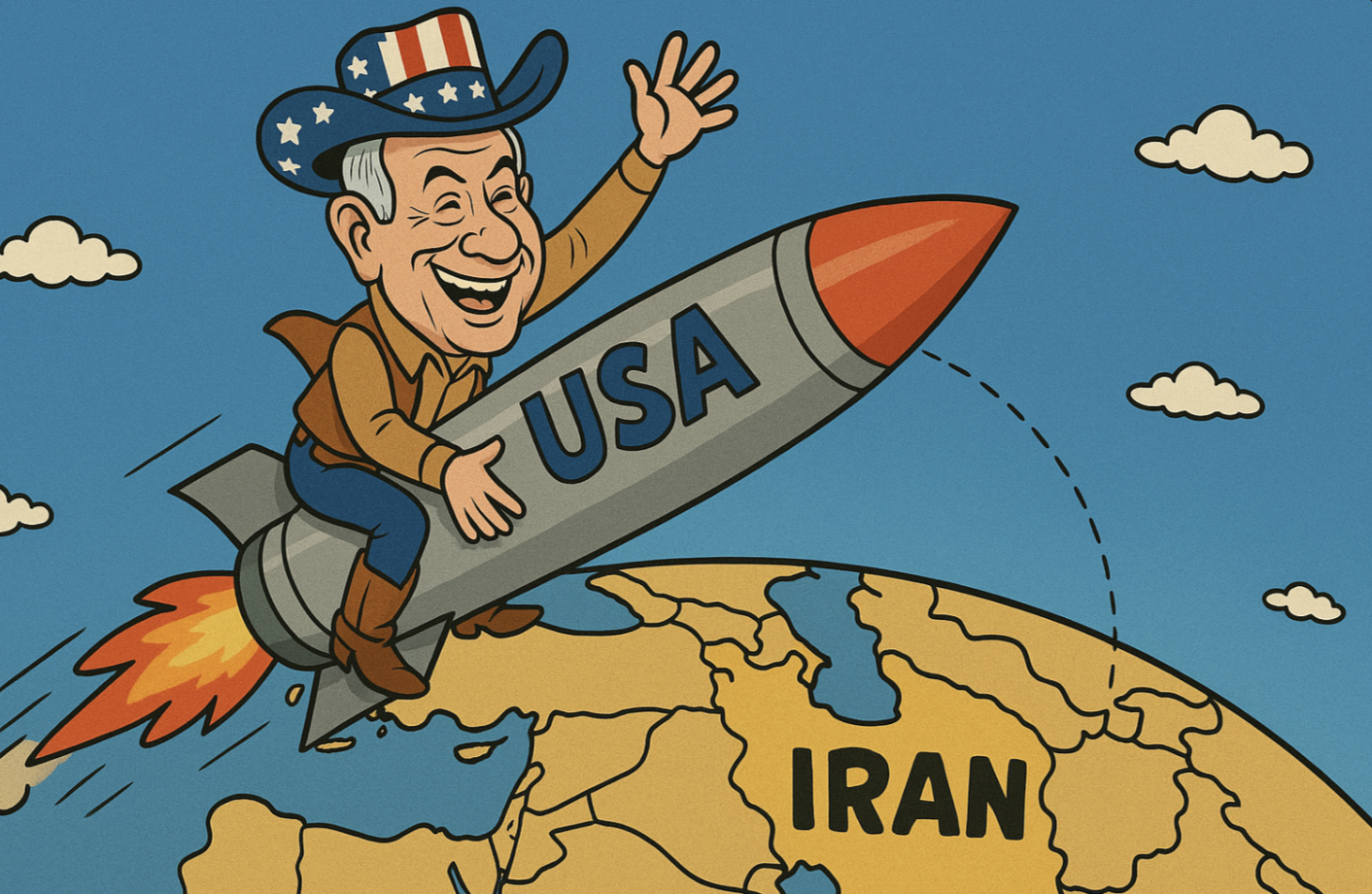
But a full-scale war between Israel and Iran is a far riskier proposition. With regional dynamics spinning out of control, Erdoğan’s carefully crafted balancing act is under threat. His growing unease is clear — he made three calls to U.S. President Donald Trump within 48 hours, urging him to help halt the fighting. The urgency is well-placed: the conflict presents both immediate economic shocks and long-term strategic dilemmas for Turkey.
Economic Agenda Under Threat
The most immediate casualty of the Israel-Iran war may be Erdoğan’s economic stabilization efforts. Skyrocketing global oil prices — a direct consequence of Middle East instability — are already straining Turkey’s fragile economy. With most of its oil and gas imported, Turkey is highly exposed to external price shocks. Even with crude stabilizing around $74 per barrel, the cost pressures are threatening inflation targets and widening the current account deficit.
Compounding the challenge is the potential closure of the Strait of Hormuz — a crucial route for Turkey’s energy imports from Iraq, Qatar, and Saudi Arabia. While some analysts dismiss Iran’s threats to block the strait as bluster, even low-probability risks are unsettling for Ankara.
The situation escalated further after Israeli airstrikes hit Iran’s South Pars gas field — which supplies around 16% of Turkey’s gas needs. Partial shutdowns are already underway, and further damage could lead to prolonged disruptions, especially given Iran’s limited ability to repair its facilities under sanctions.
These developments could not have come at a worse time for Erdoğan. The central bank is under pressure from Turkish business groups to begin easing interest rates after an aggressive tightening cycle. But with energy costs surging and investor sentiment already fragile, moving too soon risks backfiring — potentially derailing Erdoğan’s broader economic program.
Border Security and Refugee Fears
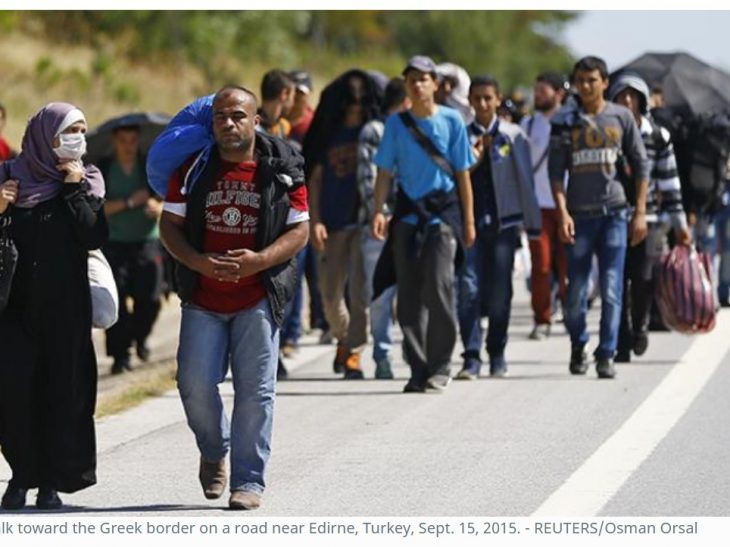
Beyond the economy, the Iran-Israel conflict is amplifying long-standing security concerns for Turkey. Ankara shares a porous, mountainous border with Iran — one historically used for illicit crossings and as a route for PKK militants. Already hosting nearly 4 million Syrian refugees, Turkey has seen rising public resentment over migration. The fear now is that renewed instability in Iran could unleash a new refugee wave or open the door to militant infiltration.
While Turkish officials deny the likelihood of mass migration, reports of Iranian civilians crossing the border are resurfacing. Ankara has responded by tightening security along the frontier. The timing is politically sensitive: Erdoğan is in the midst of delicate negotiations with the PKK, aiming to broker peace at home and gain the support of the pro-Kurdish party in parliament — potentially allowing him to extend his presidency beyond 2028.
But those efforts could be undone if the conflict reactivates PJAK, the PKK’s Iranian offshoot, which has been largely dormant since 2011. The group has already issued calls to its fighters to reignite the “Woman, Life, Freedom” revolution amid the current turmoil, raising alarms in Ankara.
Foreign Policy at Risk
Erdoğan’s foreign policy, recently recalibrated toward pragmatism and regional reconciliation, also hangs in the balance. After years of isolation caused by Turkey’s assertive post-Arab Spring posture, Erdoğan had rebuilt ties with Gulf nations and even Israel. The goal: prioritize trade, investment, and energy cooperation, while resetting relations with the U.S.
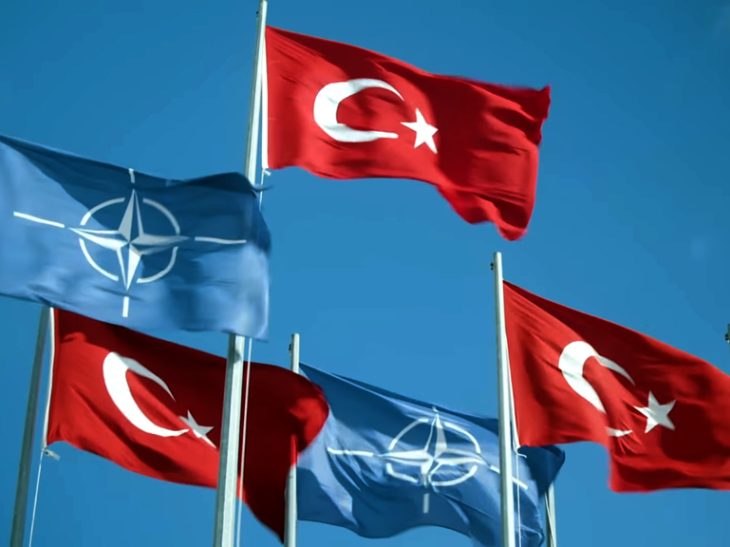
That effort had found a willing partner in President Trump, whose transactional style Ankara viewed as an opportunity. But a widening conflict threatens that progress. Of particular concern is the possibility of direct U.S. military involvement, which could not only unravel diplomatic gains but also paint Turkey as a target — especially given its role as host to NATO’s early-warning radar system in Kürecik.
Iran has long accused the Kürecik radar of aiding Israel and the West, and Iranian military leaders — including the IRGC commander killed in recent Israeli strikes — have publicly named it as a priority target. Turkey’s opposition parties are echoing these concerns, accusing Erdoğan of exposing the country to unnecessary danger.
With anti-Israel sentiment surging in Turkey, calls to shut down the Kürecik base are growing louder. For Erdoğan, the dilemma is acute: continuing to host the radar could deepen domestic backlash while increasing the risk of Iranian retaliation.
A Fragile Strategic Horizon
More broadly, Ankara is worried about what comes after the war. If Israel succeeds in weakening — or toppling — the Iranian regime, the region could be thrown into further chaos. Iran’s collapse could mirror the destabilization seen in Syria and Iraq, both of which have already strained Turkey with refugee inflows and security threats.
Turkey does not want another failed state on its borders. Yet that’s a real risk if the war drags on or escalates — especially in the absence of a credible alternative to Iran’s ruling elite.
Waiting on Trump
Ankara has tried to mediate, but neither Tehran nor Tel Aviv sees it as a neutral actor. Erdoğan’s best hope now lies with Donald Trump. But Trump’s erratic messaging on social media has only added to Ankara’s anxiety. Turkish officials are watching closely — and nervously — for signs of U.S. engagement, hoping to avoid deeper involvement in a war that threatens to upend both Turkey’s stability and Erdoğan’s political future.
Source: Middle East Institute
Author: Gönül Tol, Senior Fellow and Author of Erdogan’s War: A Strongman’s Struggle at Home and in Syria
IMPORTANT DISCLOSURE: PA Turkey intends to inform Turkey watchers with diverse views and opinions. Articles in our website may not necessarily represent the view of our editorial board or count as endorsement.
Follow our English language YouTube videos @ REAL TURKEY: https://www.youtube.com/channel/UCKpFJB4GFiNkhmpVZQ_d9Rg
And content at Twitter: @AtillaEng
Facebook: Real Turkey Channel: https://www.facebook.com/realturkeychannel/