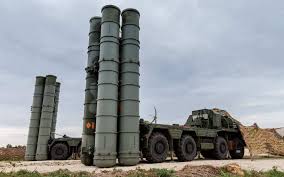
Bloomberg: Erdogan Signals Willingness to Return Russian S-400 Missiles in Bid to Reset U.S. Ties
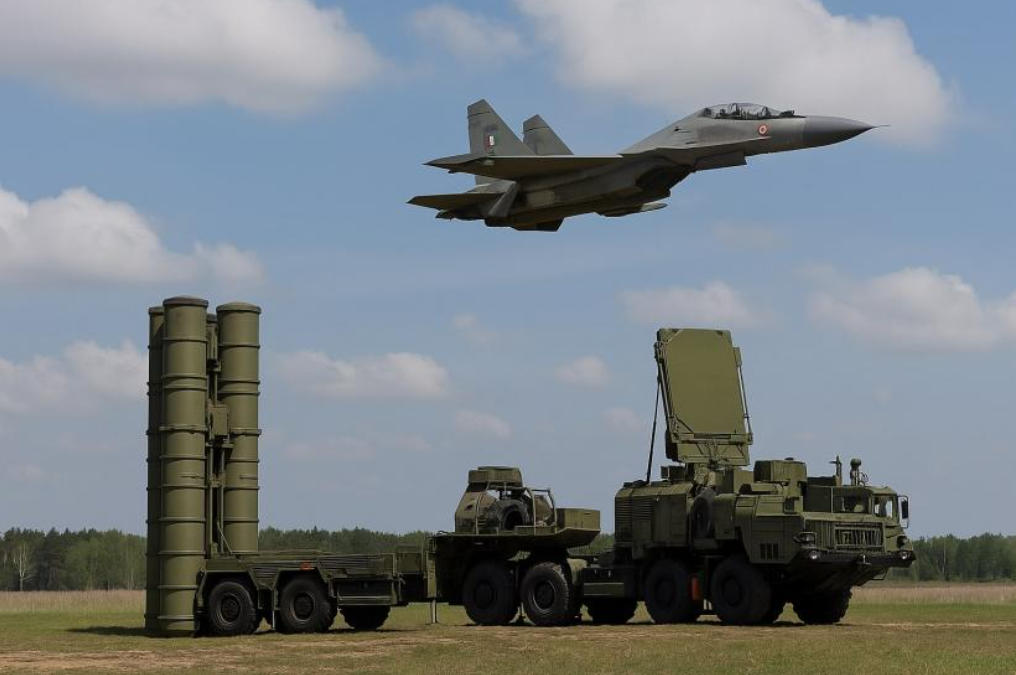 s400
s400
Turkey is exploring options to relinquish the Russian-made S-400 air defense system it purchased nearly a decade ago, in a move that could unlock a major reset in relations with the United States and NATO. President Recep Tayyip Erdogan has raised the issue directly with Russian President Vladimir Putin, according to sources, as Ankara seeks the lifting of U.S. sanctions and a path back into the F-35 fighter jet program. While Moscow publicly denies any such request, the initiative underscores Turkey’s renewed effort to rebalance its foreign policy amid shifting geopolitical priorities.
Turkey is seeking to return the S-400 air defense systems it bought from Russia, signaling a potential end to one of the most contentious episodes in Ankara’s relations with the United States and its NATO allies, according to people familiar with the discussions.
President Recep Tayyip Erdogan raised the issue directly with Russian President Vladimir Putin during a meeting in Turkmenistan last week, the sources said, following earlier technical-level contacts between Turkish and Russian officials. The talks reflect Ankara’s desire to resolve a long-running dispute that has resulted in U.S. sanctions on Turkey’s defense industry and its exclusion from the F-35 stealth fighter jet program.
Turkey’s presidency and defense ministry declined to comment on the reports. The Kremlin, however, denied that Erdogan made such a request during the meeting, highlighting the sensitivity surrounding the issue.
A Bid to Restore Strategic Ties With Washington
Giving up the Russian-made system could pave the way for a significant thaw in relations with Washington, potentially allowing Turkey to rejoin the F-35 program and prompting the United States to lift sanctions imposed under the Countering America’s Adversaries Through Sanctions Act (CAATSA).
The S-400 issue resurfaced prominently during Erdogan’s meeting with U.S. President Donald Trump at the White House in September, where Ankara reiterated its desire to regain access to Western defense technology. Tom Barrack, Trump’s close ally and the U.S. ambassador to Turkey, said earlier this month that Ankara was closer than ever to resolving the S-400 impasse, predicting progress within four to six months.
A senior Turkish diplomat recently echoed that optimism, saying Ankara expects U.S. sanctions on its defense industry to be lifted next year if a solution is reached.
The Origins of the S-400 Crisis
Turkey purchased the S-400 system during a period of deep strain with its NATO allies, beginning in the latter years of Barack Obama’s presidency and intensifying after the failed coup attempt against Erdogan in 2016. At the time, Ankara argued that Washington was unwilling to finalize a deal to sell Patriot missile systems on terms acceptable to Turkey, including technology transfer and co-production.
That frustration became a central justification for turning to Moscow, despite repeated warnings from NATO that deploying the S-400 alongside Western military platforms could compromise alliance security. NATO officials have long argued that Russia could potentially gain intelligence on Western aircraft, including the F-35, if the systems were operated together.
Turkey has maintained that it never intended to integrate the S-400s into NATO systems and has, in practice, never activated the missiles.
Mediation Role as Leverage With Moscow
Ankara believes its unique diplomatic position could make Moscow more receptive to a negotiated solution. Turkey has sought to balance its relations with Russia and the West since the start of the Ukraine war, positioning itself as a mediator while avoiding direct sanctions on Moscow.
Erdogan has restricted the passage of Russian military vessels through the Bosphorus under the Montreux Convention, supplied military equipment to Ukraine, and hosted multiple rounds of talks between the warring parties — all while maintaining open channels with the Kremlin.
That balancing act, Turkish officials believe, could provide leverage in discussions over the S-400s, even as Russia publicly downplays the issue.
Seeking Financial Compensation
According to people familiar with the talks, Turkey is also seeking compensation for the billions of dollars it paid for the S-400 system. One option under discussion could involve offsetting the cost against Turkey’s oil and natural gas imports from Russia, though such an arrangement would require complex negotiations.
While the financial dimension is significant, Turkish officials argue that the diplomatic benefits of resolving the dispute far outweigh the monetary cost. Ending the S-400 saga could dramatically improve Turkey’s standing within NATO and restore strategic trust with Washington.
F-35s and the Cost of Exclusion
Turkey was formally removed from the F-35 program in 2019 after taking delivery of S-400 components, despite having invested heavily in the project and participated in the jet’s supply chain. The following year, the United States imposed CAATSA sanctions, restricting Turkey’s access to sensitive defense technologies and limiting its defense industry’s global reach.
The F-35, manufactured by Lockheed Martin, is widely regarded as the most advanced fighter jet in service, prized for its stealth capabilities and its ability to coordinate operations with other aircraft, drones, and battlefield assets. The most advanced variants cost more than $100 million per aircraft.
For Ankara, regaining access to the program would not only modernize its air force but also signal a full normalization of defense ties with the United States.
Balancing East and West
Turkey, home to NATO’s second-largest army after the United States, has often faced criticism from Western allies for drifting too close to Moscow. Erdogan has repeatedly rejected those accusations, insisting that Turkey pursues a balanced foreign policy rooted in its own security interests.
That approach has become increasingly complex as global geopolitical fault lines sharpen. With the war in Ukraine ongoing and U.S.–Russia tensions entrenched, Ankara’s attempt to unwind the S-400 deal reflects a recalibration rather than a wholesale shift.
Whether Russia ultimately agrees to take back the missiles — and under what terms — remains uncertain. But the renewed push underscores Turkey’s growing recognition that resolving the S-400 issue is central to restoring its strategic flexibility and repairing strained alliances.
Source: Bloomberg
PA Turkey intends to inform Turkey watchers with diverse views and opinions. Articles in our website may not necessarily represent the view of our editorial board or count as endorsement.
Follow our English YouTube channel (REAL TURKEY):
https://www.youtube.com/channel/UCKpFJB4GFiNkhmpVZQ_d9Rg
Twitter: @AtillaEng
Facebook: Real Turkey Channel — https://www.facebook.com/realturkeychannel/
Related articles
Biden Preparing to Declare That Atrocities Against Armenia Were Genocide
Atilla Yeşilada: Forecasting Turkish Politics in 2026 — Tension at Home, Relief Abroad
Turkey resists U.S. pressure to scrap Russian S-400s, explores limited-use compromise