Bank of America Raises Gold Forecast to $5,000 as Precious Metals Soar
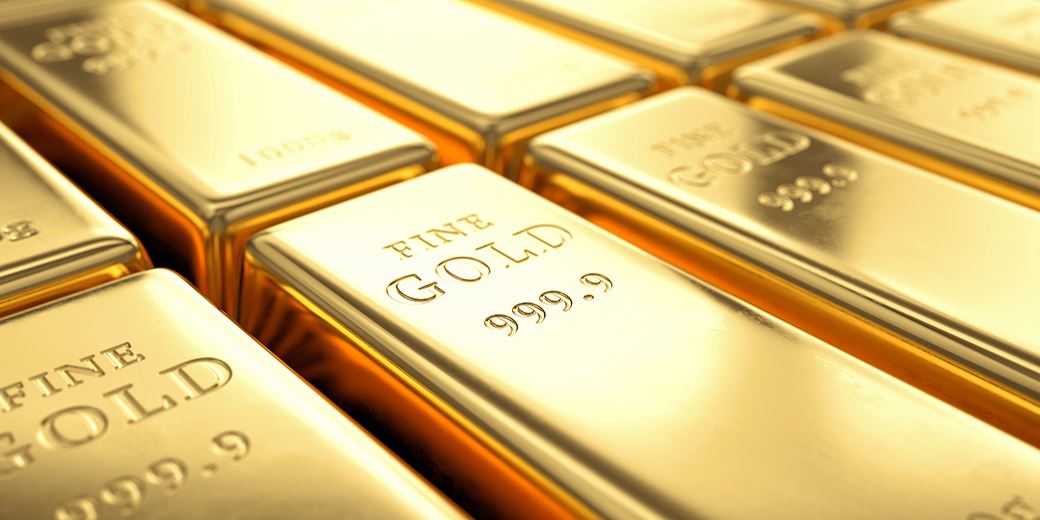 gold
gold
As gold and silver prices continue to shatter records worldwide, optimism among major financial institutions is reaching new highs. In its latest outlook, Bank of America (BofA) has dramatically revised its 2026 forecasts for precious metals, signaling sustained investor confidence driven by inflation, geopolitical instability, and central bank demand.
Historic Highs for Gold and Silver
The global markets are witnessing a remarkable rally. Spot gold surged to an all-time high of $4,079 per ounce, marking a 55% increase since the start of the year. Meanwhile, silver followed suit, climbing to $51.73 per ounce, a stunning 78% rise in the same period. These figures underline the strength of investor sentiment toward safe-haven assets amid global uncertainty.
According to BofA, the rally is far from over. The bank’s analysts have revised their long-term projections upward, reflecting both market momentum and the structural shifts shaping demand for precious metals.
New Forecasts: Gold Could Reach $5,000
In its updated report, Bank of America projects that gold could peak at $5,000 per ounce in the coming years, with an average price of $4,400 per ounce in 2026. This forecast represents one of the most bullish institutional outlooks in recent memory and underscores gold’s enduring role as a hedge against inflation and financial volatility.
The bank attributes this optimism to several key factors: persistent inflationary pressures, ongoing geopolitical risks, and a continued wave of central bank gold purchases. Many central banks, particularly in emerging economies, have increased their gold reserves as a safeguard against currency depreciation and geopolitical uncertainty — a trend that could keep prices elevated through mid-decade.
Silver’s Momentum Continues
Silver, often dubbed “gold’s more volatile cousin,” has also become a standout performer. BofA estimates that silver could reach a peak of $65 per ounce, with an average 2026 price of $56.25 per ounce. The metal’s rise has been driven not only by safe-haven demand but also by its industrial applications — especially in solar panel production, electric vehicles, and renewable energy infrastructure.
As the global green transition accelerates, silver’s dual role as both a monetary and industrial asset has positioned it as a critical component of the future energy economy. Analysts suggest that this structural demand will help sustain high prices even amid market fluctuations.
Drivers Behind the Rally
BofA’s upward revisions are based on a confluence of macroeconomic and structural dynamics:
-
Geopolitical tensions have reignited global demand for tangible assets, especially in times of heightened uncertainty.
-
Inflation fears remain strong as global economies grapple with supply disruptions and rising energy costs.
-
Central bank buying has reached its highest level in decades, further tightening supply in global markets.
-
Weakness in major currencies, including the dollar, continues to make precious metals more attractive as a store of value.
The combination of these forces has created an environment where both gold and silver are thriving — not just as safe-haven assets but as strategic investments tied to long-term economic shifts.
What’s Next for Investors?
Financial analysts note that while record prices may invite caution, the underlying fundamentals remain supportive. If inflation persists and global conflicts continue to disrupt markets, gold’s appeal as a hedge could strengthen even further. Likewise, the growing industrial utility of silver provides a second layer of support that makes it more resilient to short-term corrections.
For investors, the message is clear: precious metals are entering a new phase of strategic importance. As Bank of America’s projections suggest, the era of $5,000 gold and $65 silver may not be a distant dream — it could be the defining reality of the mid-2020s.
Related articles
Fitch Warns of 2026 Risk: Türkiye Faces “Aggressive Easing” Scenario Amid Political Uncertainty
Tether’s Secret Swiss Vault: Inside the 23 Billion Dollar Gold Bet Shaking Global Finance

Market Outlook: Global Markets Brace for Nvidia Earnings as Tech Sell-Off Deepens