Ankara Faces Severe Water Shortage as Dam Levels Drop to Critical 19%
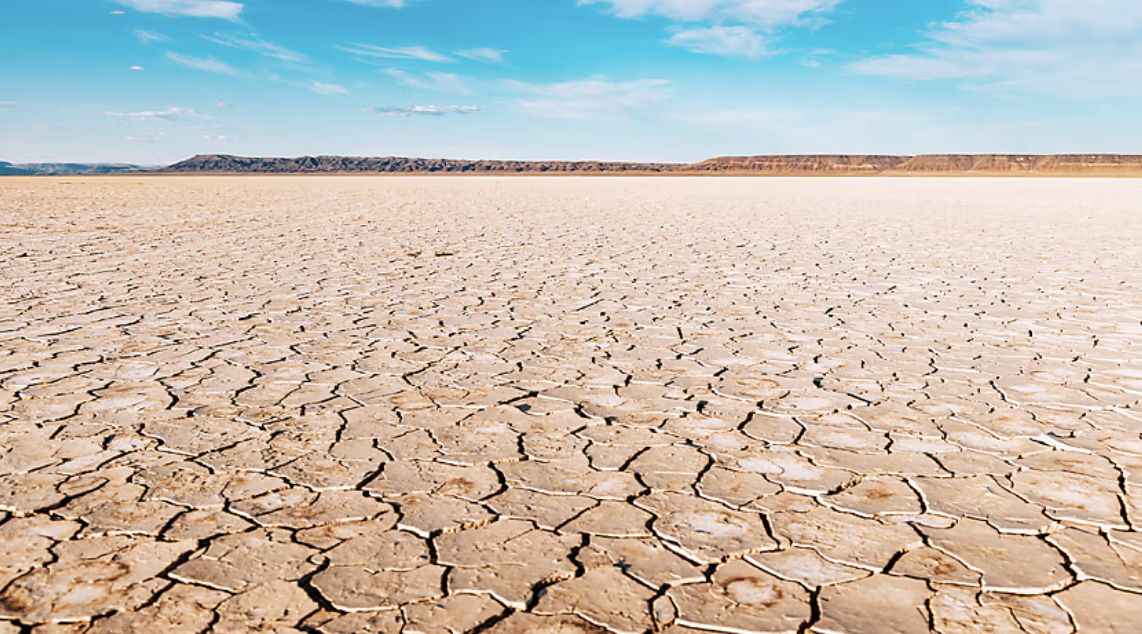 Drought in Turkey
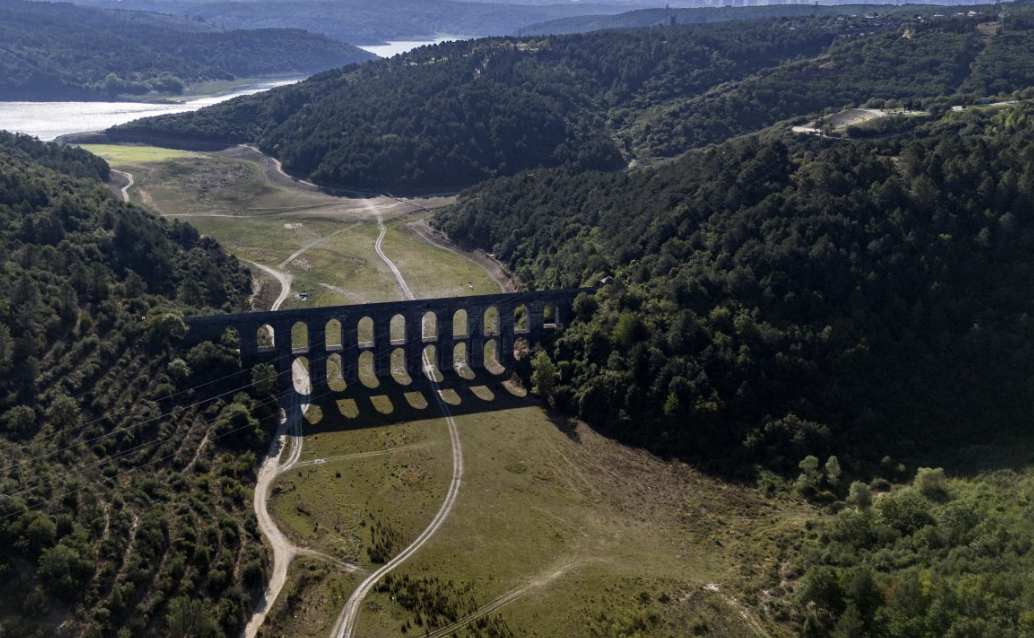
Ankara, Türkiye’s capital and home to over 5 million residents, is facing a severe water shortage crisis. The latest data from the Ankara Water and Sewerage Administration (ASKİ) shows that dam occupancy levels have dropped to 19.42%, nearly half of what they were at the same time last year. At current consumption rates, the city has less than three months of drinking water left.
This sharp decline raises urgent concerns about both the sustainability of the water supply and the preparedness of authorities to respond to worsening drought conditions. Experts warn that without swift action and community-wide conservation, Ankara could experience one of its most serious water shortages in decades.
A Dramatic Decline in Water Levels
Ankara’s dams have a total capacity of 1.585 billion cubic meters. As of August 20, water reserves have plummeted to just 19.42%, compared to 39.41% last year. That represents an alarming 50% decline within a year.
The situation is even more concerning when looking at active usable water levels—the portion of water that can actually be distributed to households. Last year, usable water stood at 31.21%. This year, it has collapsed to 8.52%.
With Ankara consuming around 1.733 million cubic meters of water daily, the remaining reserves are projected to last fewer than 90 days.
Dam-by-Dam Breakdown
ASKİ’s report highlighted the dwindling reserves in major reservoirs:
-
Çubuk-2 Dam – 10.67%
-
Çamlıdere Dam – 19.37%
-
Kurtboğazı Dam – 14.05%
-
Kavşakkaya Dam – 16.84%
-
Eğrekkaya Dam – 27.41%
-
Akyar Dam – 20.16%
-
Peçenek Dam – 14.04%
Among these, Eğrekkaya currently holds the highest percentage of reserves, while Çubuk-2 is nearing critically low levels.
Experts Call for Urgent Action
Hydrologists and climate specialists warn that Ankara’s crisis is not just a short-term issue but part of a longer-term trend driven by:
-
Prolonged drought conditions linked to climate change.
-
Rapid urbanization, increasing water demand.
-
Inefficient water use, with high rates of waste and leakage in the distribution system.
Experts stress that urgent emergency planning is needed, not only to prevent immediate shortages but also to safeguard Ankara’s long-term water security.
Key recommendations include:
-
Launching public water-saving campaigns.
-
Enforcing restrictions on non-essential water use.
-
Repairing infrastructure to reduce pipeline leakage.
-
Diversifying water sources, including groundwater and recycling systems.
One hydrology expert stated: “Ankara must act as if it is already in a water emergency. Conservation is no longer optional—it is a necessity for survival.”
Rising Pressure on Authorities
The looming shortage has put pressure on municipal and national authorities to provide solutions. With dam levels historically low, the government faces increasing scrutiny over its water management strategies.
Public debate has already begun to surface, questioning whether investments in infrastructure and alternative water projects—such as inter-basin transfers or desalination—should have been accelerated years ago.
Lessons from Past Crises
This is not the first time Ankara has faced water stress. In previous drought years, the city narrowly avoided running dry through strict rationing and emergency measures. However, with climate change intensifying heatwaves and reducing rainfall across Central Anatolia, the situation in 2025 is being described as “more fragile than ever.”
A Critical Three-Month Window
With fewer than 90 days of water left at current consumption rates, Ankara is racing against time. Whether the capital avoids a full-scale water crisis may depend on:
-
Immediate conservation efforts by residents.
-
Emergency measures from ASKİ and the government.
-
Seasonal rainfall in the coming months—though forecasts suggest limited relief.
For now, one fact is clear: unless urgent steps are taken, Ankara’s taps may begin to run dry far sooner than expected.