Ahmet Özer Says Bahçeli Wants the Temperature Turned Down
 devlet bahceli
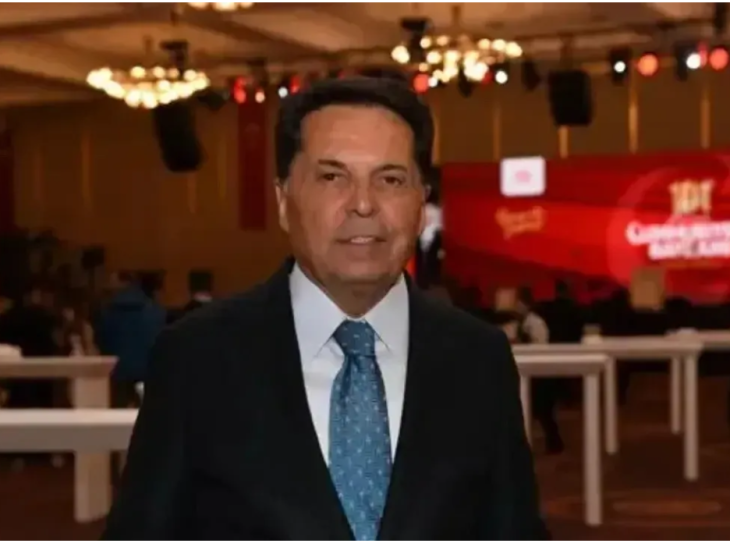
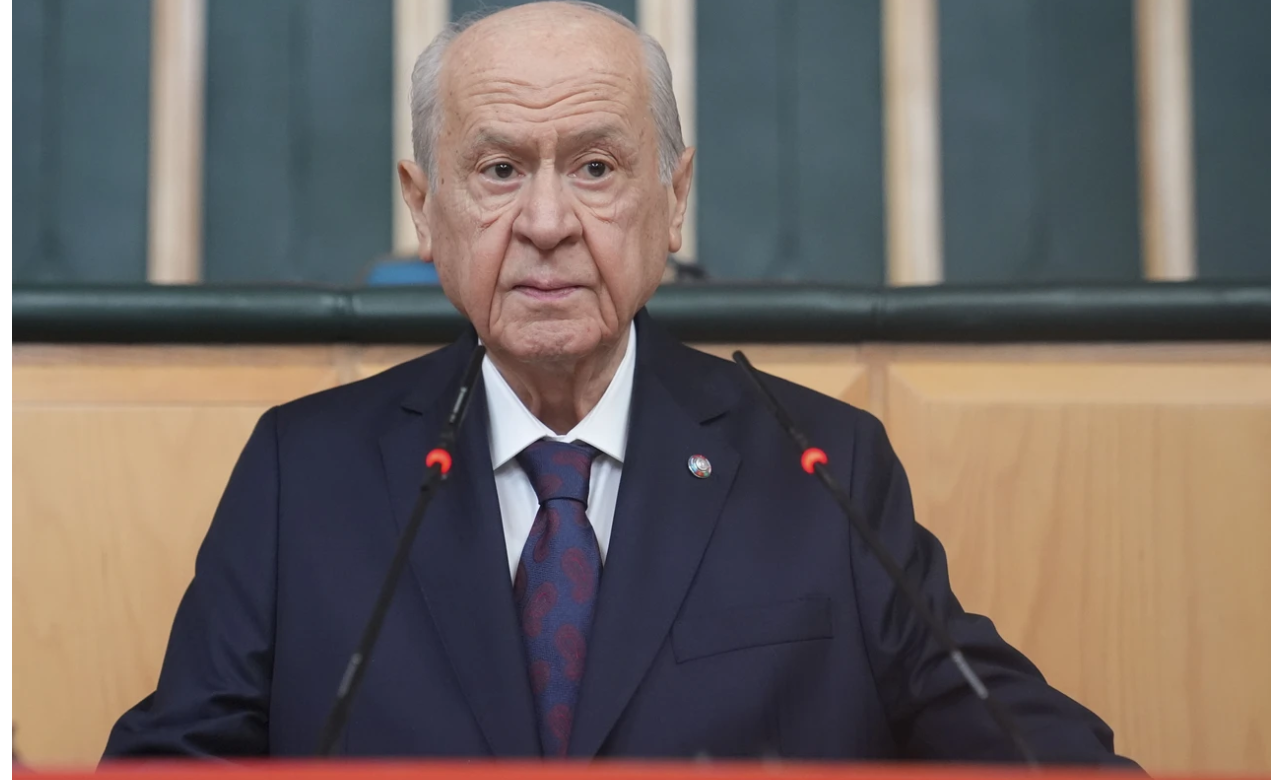
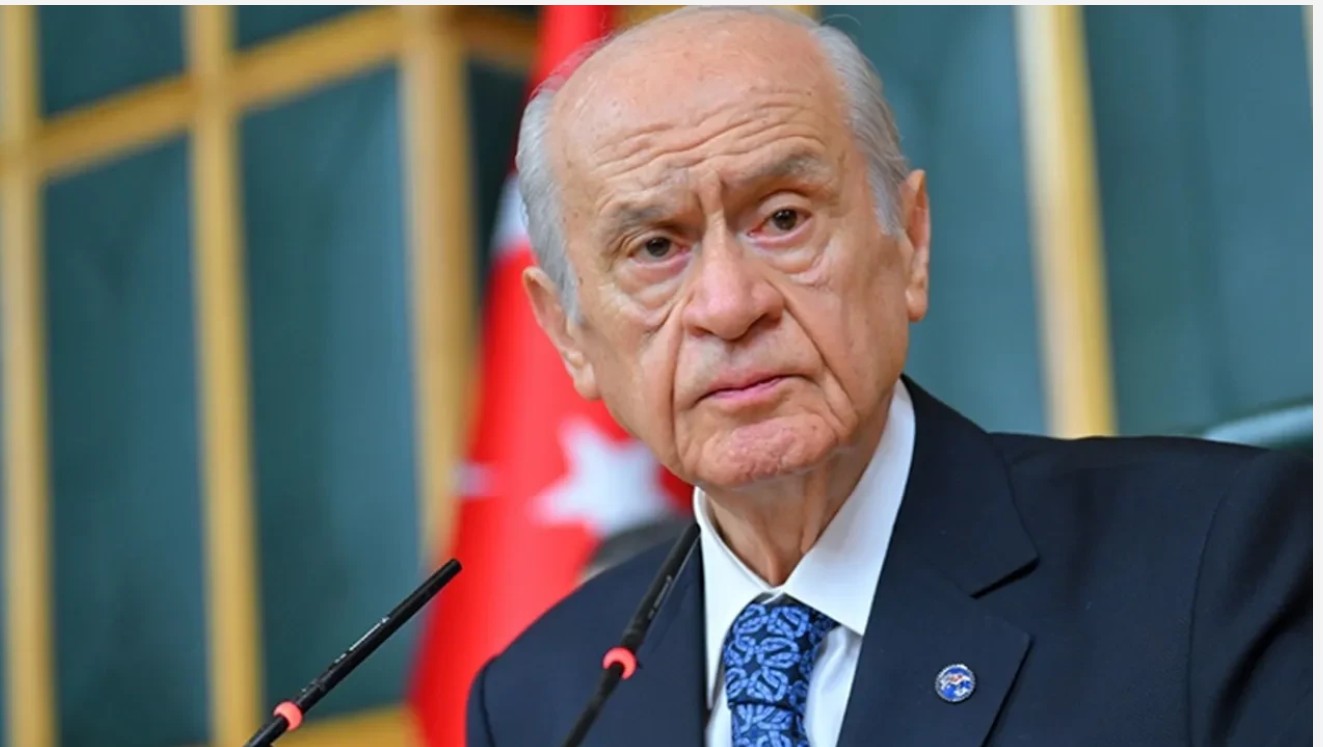
CHP politician Ahmet Özer, who was released after spending more than a year in detention, has revealed that he paid a visit to MHP leader Devlet Bahçeli following his release. Speaking to T24, Özer said the meeting focused primarily on judicial practices and the need to lower political tension in Türkiye.
According to Özer, the discussion centered on judicial processes, the use of secret witnesses and informants, pre-trial detention, trustee (kayyum) appointments, and compliance with Constitutional Court (AYM) and European Court of Human Rights (ECHR) rulings.
“Trials Based on Secret Witnesses Undermine Trust”
Özer said he openly shared his concerns about court cases that rely heavily on secret witnesses and informants, arguing that such practices weaken public confidence in the judiciary.
“I told Mr. Bahçeli that conducting trials based on secret witnesses and informants damages the public’s sense of justice and erodes trust in the legal system.”
According to Özer, Bahçeli agreed with this assessment and cited previous public statements by his deputy, Feti Yıldız, on the same issue.
“Mr. Bahçeli said that he does not find trials based on secret witnesses and informants to be correct, and reminded me that his deputy Feti Yıldız had already made statements expressing the same view.”
The İmamoğlu Cases: “Judge Changes Damage Confidence in the Law”
Özer also said he raised concerns about the legal cases involving Istanbul Metropolitan Mayor Ekrem İmamoğlu, particularly the frequent changes of judges.
“I told him that in Mr. İmamoğlu’s cases, judges who show even a slightly fair or positive approach are quickly replaced, and that this practice severely damages public trust in the rule of law.”
Özer stated that Bahçeli shared this concern and again emphasized his opposition to trials constructed around secret witnesses.
“He told me that he also does not consider it right for cases— including those involving Mr. İmamoğlu— to be built on secret witnesses and informants.”
“Political Tension Must Be Reduced”
Özer said both sides agreed that Türkiye needs a calmer political climate and that certain legal and political steps could help achieve social relief.
“I told him that steps such as trial without detention, the return of municipalities from trustee administration, the release of seriously ill detainees, and compliance with ECHR and Constitutional Court rulings would strengthen faith in peace and help society breathe.”
According to Özer, Bahçeli responded positively and indicated that he had followed and appreciated Özer’s public statements after his release.
“He told me that he follows my statements, that he finds them valuable, and that lowering political tension and adopting a language of peace is necessary.”
On Trustees (Kayyum): “Ending the Trustee Regime Is Necessary”
One of the most striking parts of Özer’s account concerns trustee appointments.
“I told him that for the peace process to succeed, the trustee regime must come to an end. Mr. Bahçeli agreed with this view.”
Özer recalled that Bahçeli had previously made a public remark supporting the return of elected officials:
“He had earlier said, ‘The two Ahmets should return to their duties,’ referring to Ahmet Türk and myself.”
Bahçeli’s Comments on CHP Leader Özgür Özel
Özer also conveyed greetings from CHP leader Özgür Özel to Bahçeli and shared Bahçeli’s response.
“When I told him that Mr. Özgür Özel had sent his greetings, he said: ‘I have known Mr. Özel in Parliament for many years. When people asked me who should become CHP leader after Kemal Kılıçdaroğlu, I mentioned Özgür Özel’s name.’”
Özer said he interpreted this as an indication that Bahçeli does not hold a hostile stance toward Özel.
“I understood from this that there is no personal hostility or negative attitude toward Mr. Özel.”
Why This Meeting Matters
If Özer’s account is accurate, the meeting signals something rare in Turkish politics: cross-party acknowledgment that certain judicial practices—especially the use of secret witnesses, prolonged detention, and trustee governance—are undermining public trust.