



30 Months After Earthquake, Crisis Persists in Hatay and Adıyaman
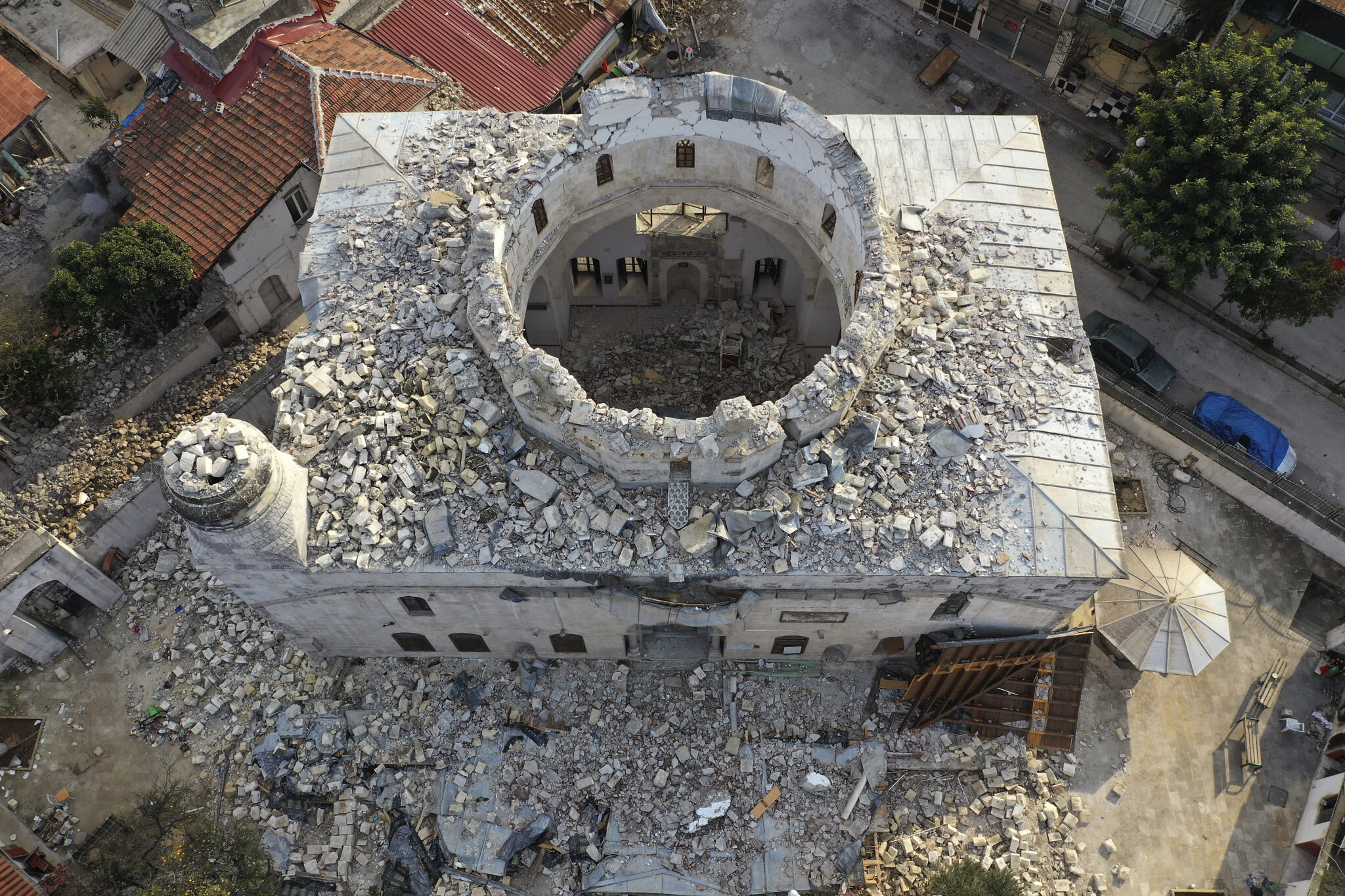 Turkey Syria Earthqauke Antakya
More than 30 months after the devastating February 6 earthquakes, major cities in Turkey’s southeast—including Hatay and Adıyaman—are still grappling with severe housing and healthcare challenges, according to a joint report by the Turkish Medical Association (TTB) and the Health and Social Service Workers’ Union (SES).
The report highlights that hundreds of thousands of people are still living in container homes, while the region’s healthcare infrastructure remains critically inadequate. Despite the passage of time, essential services have failed to meet the needs of the earthquake-affected population, raising serious concerns about public health and disaster recovery management.
🏚️ Life in Containers and Infrastructure Gaps
As cited in Cumhuriyet, the TTB and SES warn that container settlements are now a “major public health threat.” Many urban areas resemble construction zones, worsening the ecological impact and deepening the housing crisis. The organizations assert that these are not temporary setbacks, but systemic failures exacerbated by political choices and structural weaknesses.
🔍 Key Findings From the Report:
-
Worker Deaths: In just the first half of 2025, 163 workplace deaths occurred in the quake zone, with 30 in Hatay alone.
-
Traffic Fatalities: Malatya, Adıyaman, and Hatay saw a sharp rise in traffic-related deaths in 2023 and 2024 compared to 2020, indicating infrastructure stress.
-
Healthcare Collapse: In Hatay, only 2 out of 56 destroyed Family Health Centers (ASM) have been rebuilt. In Adıyaman, only 4 out of 13 have been restored. The bulk of primary care is being delivered in 21-square-meter containers—hardly fit for professional healthcare.
-
Personnel Shortages: Hatay faces critical staffing issues. Of 493 Family Medicine Units, 146 have no doctor and 170 lack support staff, leaving tens of thousands without access to basic health services.
-
Hospital Access: Hatay’s planned Training and Research Hospital remains unrealized, and Adıyaman’s city center currently has only one operational hospital, making emergency and specialized care extremely limited.
📉 Systemic Silence and Public Health Risks
In the report’s conclusion, the authors accuse government institutions of ignoring the public health toll of the earthquake aftermath. They warn that this institutional silence invites what they call “social murder” by neglecting preventable risks and needs.
Despite the two and a half years since the disaster, the earthquake-hit regions remain critically underserved, with mounting concerns over public safety, health access, and long-term housing solutions.