Ankara Faces Water Crisis as Pipeline Bursts Leave Hospitals and Schools Dry
 ankara-boru
Summary:
Turkey’s capital Ankara is grappling with a severe water shortage after two major pipelines carrying drinking water from the Kesikköprü Dam ruptured. The Ankara Metropolitan Municipality announced that the water supply has been cut by half, forcing rotational outages across the city. More than 10 districts are already affected, with hospitals, schools, and daily life disrupted. Emergency repairs are underway, but officials warn that the crisis could continue for at least a week.
A City on the Edge of Thirst
Ankara, home to more than 5 million residents, is now facing one of the most serious water crises in its recent history. The Kesikköprü Dam, which provides a substantial portion of the capital’s drinking water, has been hit by major pipeline failures.
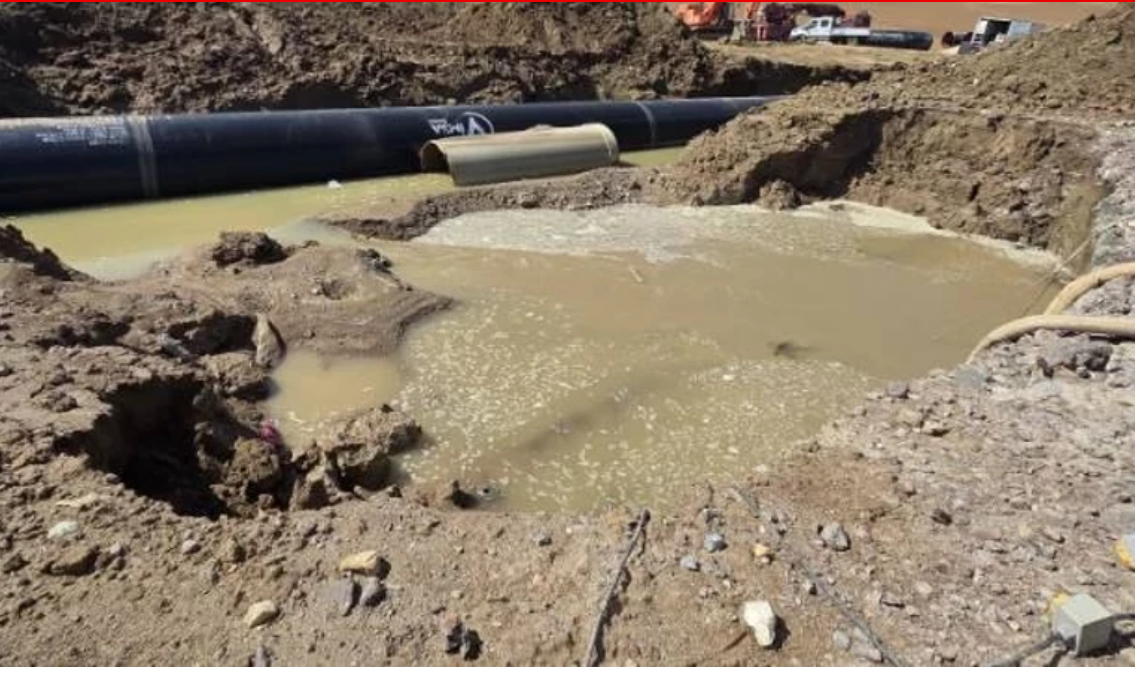
According to the Ankara Metropolitan Municipality (ABB), two out of three main pipelines buckled under pressure, causing massive ruptures and cutting the city’s water supply in half.
Construction teams are now working around the clock on a 500-meter section of the line, where emergency bypass connections are being installed. Officials hope the repairs will be completed within a week.
Rotational Water Cuts Across the Capital
The sudden supply shortfall has forced ABB to impose rotational water outages across the city. More than 10 districts are already facing disruptions, particularly in higher-elevation neighborhoods where pressure is weakest.
Hospitals, schools, and government institutions have been hit hard. Tanker trucks have been dispatched to critical sites to ensure minimal water access.
Residents have expressed growing concern about how long the outages will last. Many fear that the problem could extend beyond the one-week repair timeline, especially given Ankara’s broader water scarcity challenges.
Old Infrastructure, New Problems
The ruptured pipelines were made of fiberglass, a material widely used in past decades but increasingly seen as inadequate for long-term, high-pressure water systems.
Experts on the ground have highlighted that fiberglass, essentially a reinforced plastic, is prone to cracking under stress. The images from the rupture site show shattered pipes unable to withstand the water pressure.
To avoid repeat failures, ABB has begun work on a new steel pipeline system, which officials describe as a permanent solution. The new steel pipes are wider and far more resistant to pressure compared to the old infrastructure.
Hospitals and Schools Hit Hard
Perhaps the most alarming impact of the crisis is on public health and education. Hospitals in several districts reported immediate difficulties in emergency wards, while some schools were forced to cut classes short.
Water tankers have been mobilized, but both staff and parents remain deeply concerned about sanitation risks. “It’s not only about drinking water — hygiene is critical in hospitals, and a shortage can quickly spiral into a public health emergency,” one healthcare worker told local media.
Municipal Response: “Half the Water Supply Lost”
In its official statement, the Ankara Metropolitan Municipality underlined the scale of the crisis:
“Due to pipeline ruptures along the Kesikköprü line, the amount of water delivered to Ankara has been reduced by half. As a result, rotational water cuts have been introduced across the city. Steel pipeline replacement works are already underway and are expected to be completed within one week.”
The municipality added that until the works are completed, residents — particularly those in higher-elevation areas — should brace for continuing supply disruptions.
ABB also assured that daily outage schedules will be published through the ASKİ (Ankara Waterworks Authority) website and social media platforms.
Water Scarcity Meets Old Vulnerabilities
The crisis comes on the heels of a difficult summer for Ankara. A dry season had already pushed dam levels to critical lows, raising concerns about long-term water security.
The sudden pipeline ruptures have now turned those concerns into a citywide emergency. Urban planners warn that Ankara’s water infrastructure, much of it decades old, is vulnerable to repeated breakdowns unless comprehensive modernization is pursued.
Daily Life in Disarray
For residents, the impact has been immediate and severe. Families have started storing water in large containers, while restaurants and small businesses are struggling to operate under rationing.
The lack of predictability has added to frustrations. “We don’t know when the water will be cut or when it will return. Every day is a gamble,” said one shop owner in Çankaya.
At the same time, public anger is rising on social media, with many demanding faster solutions and accountability for why the city’s infrastructure was left vulnerable.
Political Undertones
While the crisis is first and foremost a technical failure, it is also becoming a political issue. Ankara, governed by Mayor Mansur Yavaş from the opposition CHP, has often been at the center of partisan clashes over municipal performance.
Government-aligned media outlets have already begun questioning ABB’s preparedness and investment priorities, while opposition supporters argue that decades of underfunding and outdated systems — inherited from earlier administrations — are to blame.
With Turkey heading into another politically tense year, Ankara’s water crisis could easily become another flashpoint in national debates over governance and infrastructure policy.
Looking Ahead: A Critical Week
The next few days will be decisive for Ankara. If ABB’s steel pipeline works can be completed within a week, the city may return to normal before public frustration boils over.
But if delays persist, the capital risks facing prolonged shortages, with mounting pressure on both the municipality and central government to intervene.
For now, residents are being urged to conserve water wherever possible and to follow official updates on outage schedules. The capital’s fate over the coming week may well hinge on the resilience of its repair crews — and the patience of its citizens.