2026: The Dawn of a New Era—Dr. Cüneyt Akman Warns of Impending Global Spasms and War
 dunya kaos
In his recent appearance on Para Analiz, economist Dr. Cüneyt Akman delivered a stark warning about the trajectory of the Turkish and global economies, labeling 2026 as the “Dawn of a New Era” marked by structural crises, shifting market dynamics, and the looming threat of AI-driven warfare.
Author Dr Cuneyt Akman
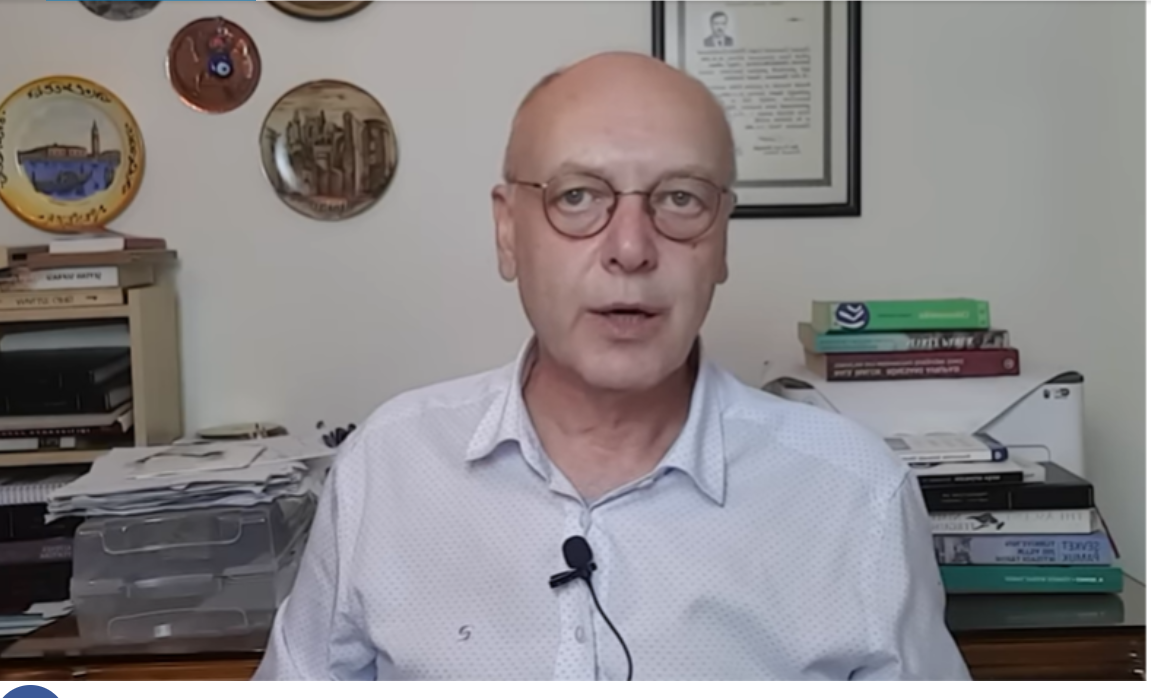
The global economy is entering a period of unprecedented volatility, where old rules no longer apply and the “seeds of a new age” are being sown. In a comprehensive analysis, Dr. Cüneyt Akman outlines why 2026 will serve as the final warning before a massive systemic collapse predicted for 2027 and 2028.
Turkey’s Inflation: A Policy Choice, Not an Accident
Dr. Akman began by addressing Turkey’s persistent inflation crisis. With the country ranking among the top six highest inflation nations globally, Akman argued that this is not merely the result of “bad luck” or external shocks like earthquakes.
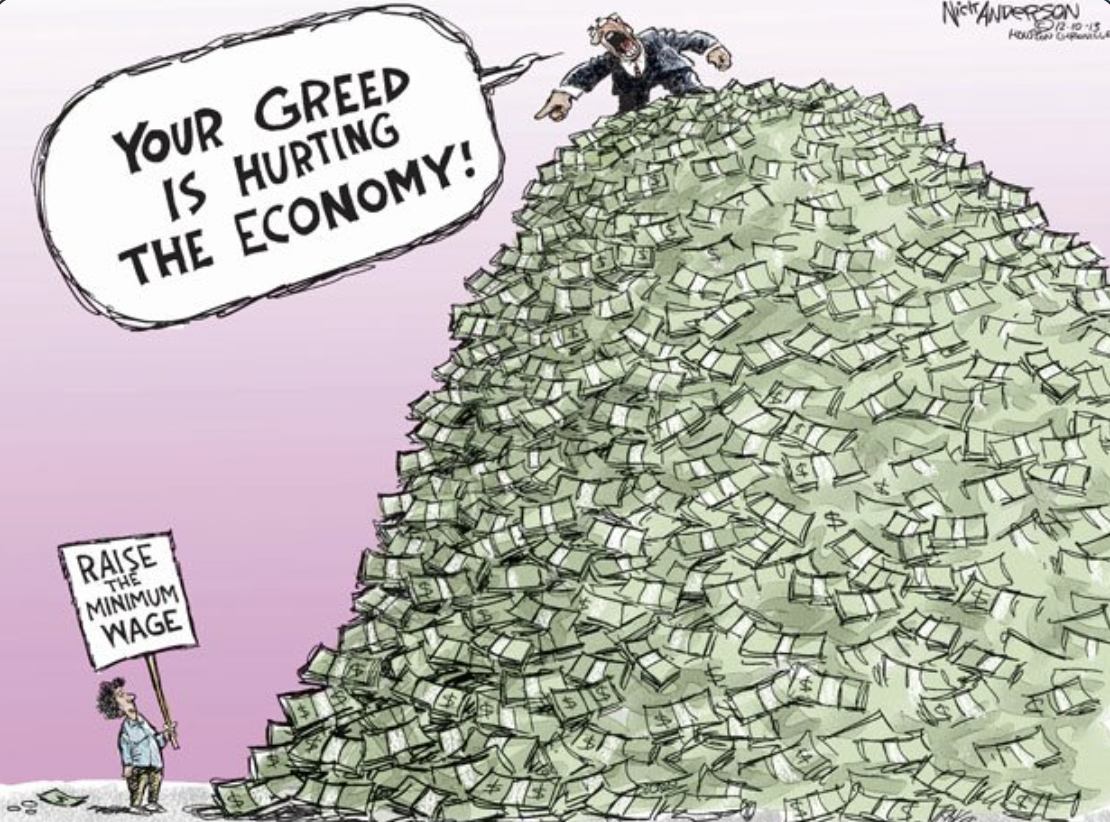
“This is an intentionally created inflation,” Akman stated. He characterized Turkey’s economic state as a massive wealth transfer mechanism. By citing statistics that show the top 10% of the population controls 76% of the national wealth, he argued that inflation serves as a hidden tax, stripping assets from the middle and lower classes to benefit a tiny elite.
Furthermore, Akman highlighted a “hemorrhaging” of capital. Despite high interest rates intended to attract foreign investment, more money is leaving Turkey through capital flight and profit transfers by foreign-controlled monopolies than is entering the country. He warned that without breaking these monopolies and restoring judicial predictability, the cycle of “stagflation”—simultaneous stagnation and inflation—will deepen.
The Global Liquidity Time Bomb
Turning his gaze to the international stage, Akman identified 2026 as a critical juncture for the U.S. Federal Reserve. He noted that nearly $9 trillion in U.S. Treasury debt will need to be rolled over or paid in 2026, creating an immense demand for liquidity.
“The Fed’s recent interest rate cuts are not a choice; they are a necessity,” Akman explained. He warned of a growing “liquidity trap” where short-term rates are forced down while long-term yields remain stubbornly high, a phenomenon seen not just in the U.S., but also in Germany and Japan. This “yield curve” distortion, according to Akman, signals that the era of easy debt-driven growth is reaching its mathematical limit.
2026: The Year of “Heart Spasms”
While Akman predicts the “Great Collapse” for 2027-2028, he views 2026 as a year of “pre-shocks.” Investors should expect extreme volatility—what he calls “economic heart spasms”—where markets experience sudden, violent drops followed by desperate central bank interventions.
He noted that the current bull market in tech is dangerously narrow. The S&P 500 and Nasdaq are being propped up by only two or three “super-monopolies,” while the rest of the market struggles. If the Fed stops pumping liquidity, Akman believes a “horrific stock market crash” is inevitable.
AI Warfare and the Energy Crisis
Perhaps his most chilling prediction involves the shift in global geopolitics. Akman believes that while 2026 may appear diplomatically calm, it will be a year of feverish preparation for war.
“We are moving toward a future where it isn’t humans fighting, but AI-driven software and robots,” Akman remarked. He linked this geopolitical tension to a fundamental lack of “surplus value” in the global economy. Despite the hype around AI and the internet, Akman points out that the world still relies on 150-year-old fossil fuel technology. Until a true “Energy Revolution”—such as fusion or space-based power—occurs, nations will continue to fight over dwindling resources.
The Recommendation for Investors
For the immediate future, Akman suggests that the Fed’s desperate liquidity injections will likely keep gold, Bitcoin, and certain stock indices afloat through 2026. However, he cautioned that these are temporary fixes for a systemic rot. “You cannot prevent ignorance by printing diplomas, and you cannot prevent economic collapse by printing money,” he concluded.