A Bitter Winter: How Turkey’s Worst Frost in History Shattered Its Crops
 frost
frost
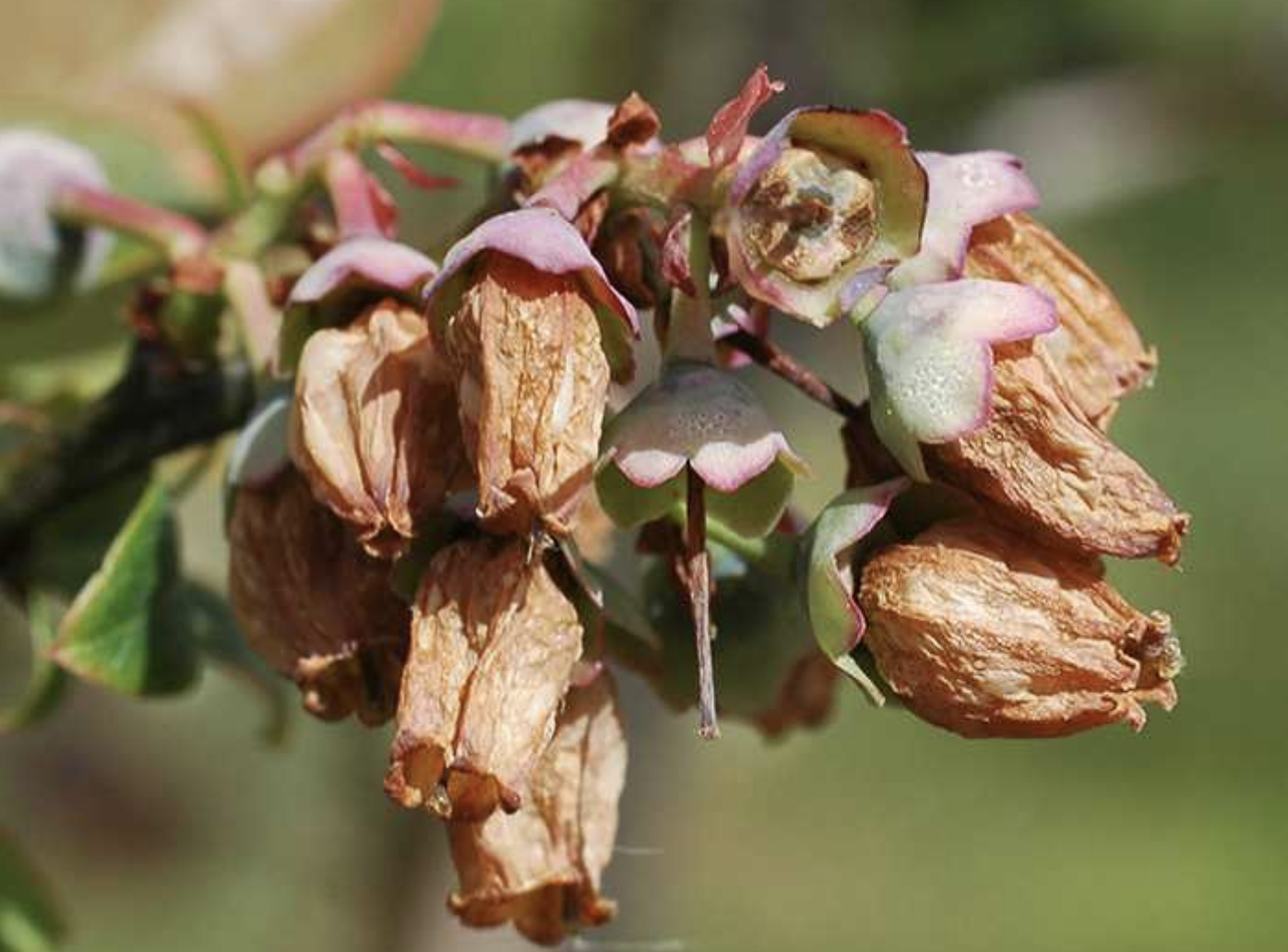
In April 2025, Turkey experienced one of its most devastating agricultural frosts in recent history, with temperatures plummeting to as low as -15°C across more than 36 provinces. This extreme cold snap severely damaged a wide array of crops, including hazelnuts, apricots, grapes, apples, walnuts, almonds, cherries, peaches, plums, and various vegetables. The frost not only decimated current yields but also posed long-term threats to future harvests due to damage to the plants themselves .
Key Impacts:
-
Hazelnuts: As the world’s leading producer, Turkey supplies approximately 75% of global hazelnut demand. The frost severely impacted this crop, jeopardizing exports and potentially driving up international prices .
-
Apricots: Malatya Province, responsible for 85% of Turkey’s apricot production, reported significant losses. The timing of the frost during the blooming period exacerbated the damage, with potential repercussions for the next year’s harvest .
-
Grapes and Apples: In Manisa, a major grape-producing region, up to 80% of vineyards suffered damage. Similarly, apple orchards in Niğde faced substantial losses, threatening both domestic supply and export markets .
-
Other Crops: The frost also affected walnuts, almonds, cherries, peaches, plums, and various vegetables, leading to widespread agricultural disruption
Economic and Social Consequences:
The agricultural sector, a cornerstone of Turkey’s economy, faces estimated losses exceeding $500 million. The reduction in crop yields is expected to lead to increased food prices domestically and disrupt export revenues. Additionally, the damage threatens employment in agriculture-dependent regions and may necessitate imports to meet domestic demand
Government Response:
Agriculture and Forestry Minister İbrahim Yumaklı acknowledged the severity of the frost, labeling it as one of the most significant in Turkey’s history. The government has pledged support to affected farmers, including compensation for registered but uninsured producers. However, details regarding the implementation of these support measures remain forthcoming.
This unprecedented frost event underscores the vulnerabilities of agriculture to extreme weather conditions, highlighting the need for adaptive strategies and support mechanisms to safeguard the sector against future climatic challenges.