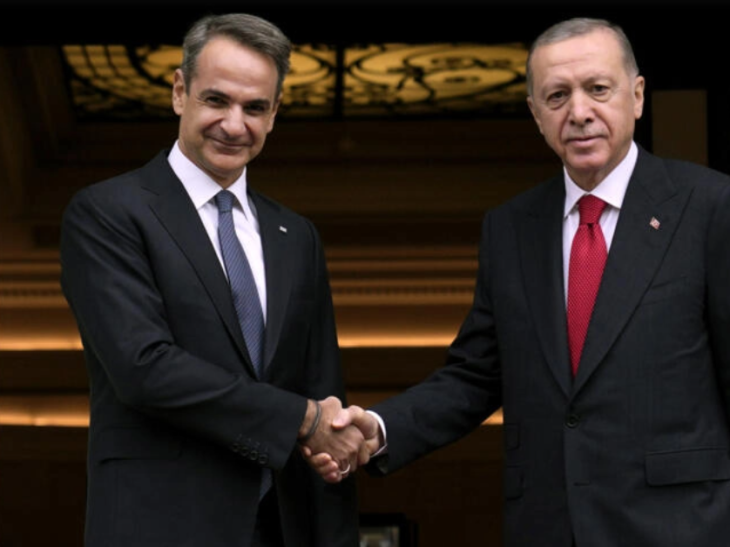
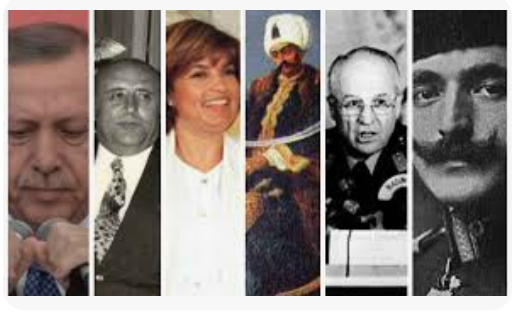
12 figures who ruined Türkiye and why the debate still matters
 siyasetçiler
Summary:
A recurring argument in modern Turkish history is that a small number of political leaders, military figures and institutions set Türkiye on paths that later proved costly — from imperial overreach and wartime decisions to military rule, urban planning choices, Islamist politics, and a more centralized presidency. Below is a structured, fact-led overview of 12 names (and one institution) frequently cited in that debate, and the long shadows their decisions cast.
Selim I “the Grim”: empire-building and a lasting Middle East entanglement
Selim I is widely credited with expanding Ottoman power dramatically, including the conquest of Arab lands and the transfer of the caliphate’s political center to Istanbul. Critics argue that this strategic orientation deepened the state’s long-term involvement in Middle Eastern rivalries and sectarian politics — dynamics that would periodically resurface even after the republic’s Western-facing turn in the 20th century.
Editor’s Note: He also slaugthered and persectued Turkey’s Alevite minority, opening another falutline in Turkey ethnic-secterian-ideological wars that last today.
Enver Pasha: the wartime gamble and minority trauma
Enver Pasha, a leading figure in the Committee of Union and Progress era, helped steer the empire into World War I on the side of Germany. His period is also inseparable from the catastrophic fate of Ottoman Armenians during the war years — an issue that continues to shape regional politics, identity debates and foreign relations, including in Türkiye’s east.
Editor’s Note: He acted with Mustafa Kemal Ataturk, the founder of modern Turkey. The deposition of the Sultan can be seen as the starting point of Turkey’s endless Islamists-secularist strife.
Süleyman Demirel: chronic instability and the normalization of crisis politics
Demirel’s multiple terms as prime minister spanned years marked by coalition fragility, street violence, and macroeconomic volatility. Supporters credit his political resilience; critics counter that repeated governmental paralysis helped normalize crisis governance — and contributed to a public climate in which the military was periodically seen as an “order-restoring” actor.
Gen. Kenan Evren: the 1980 coup and a constitution that outlived the junta
Evren led the 1980 military coup and oversaw an era of sweeping repression: mass arrests, limits on political life and civil freedoms, and an institutionalized security state. The 1982 Constitution, drafted under military rule, remained a defining legal framework for decades, shaping executive power and state-society relations long after the junta’s exit.
Bedrettin Dalan: Istanbul’s transformation and the cost of top-down planning
As Istanbul’s first Greater Municipality mayor after the 1980 coup era, Dalan is associated with major infrastructure and cleanup projects, including efforts to rehabilitate the Golden Horn. Critics argue that his approach accelerated car-centric development and irreversible changes to the city’s historic fabric, setting precedents for later waves of rapid urban transformation.
Tansu Çiller: economic turbulence and the escalation of security-state methods
Çiller’s 1990s tenure unfolded amid intense macroeconomic stress and an escalated conflict environment in the southeast. Her critics focus on financial instability, governance controversies and the deepening of “dirty war” allegations tied to that era. Supporters argue she governed during an exceptionally difficult period and pursued international designation of the PKK as a terrorist organization.
Necmettin Erbakan: political Islam enters the mainstream
Erbakan is widely viewed as the movement-builder who normalized an Islamist political tradition inside the electoral system. Critics say his era pioneered a blend of patronage, identity politics and anti-Western rhetoric; supporters say he widened political representation and challenged entrenched elites. His legacy is central to understanding the later rise of Erdoğan-era conservatism.
Abdullah Öcalan: PKK violence and a hardened state response
Öcalan and the PKK are linked to a conflict that has cost tens of thousands of lives and shaped Türkiye’s security doctrine for decades. Critics of the PKK emphasize early atrocities that entrenched maximalist positions and undermined reconciliation; critics of the state argue missed political openings and rights restrictions prolonged the conflict. The debate remains inseparable from contemporary politics.
The European Union: missed integration windows and mutual mistrust
A persistent argument among commentators is that earlier, clearer EU membership prospects might have anchored reforms and narrowed Türkiye–Europe divergence. Others counter that enlargement fatigue, political shifts in Europe, and disputes over Cyprus and rule-of-law standards made that trajectory structurally difficult. Either way, EU-Türkiye relations remain a major determinant of economic confidence and strategic orientation.
Melih Gökçek: Ankara governance, polarization, and patronage politics
Gökçek’s long tenure as Ankara mayor is frequently cited in debates over urban governance, transparency, and the politicization of municipal power. Supporters highlight longevity and constituency-building; critics point to contested elections, policing of protests, and urban projects criticized as costly or poorly integrated.
Ahmet Davutoğlu: ambitious foreign policy and regional backlash
As foreign minister and then prime minister, Davutoğlu’s “strategic depth” approach aimed to expand Türkiye’s influence. Critics argue it overreached, contributed to isolation, and underestimated regional fragmentation—especially after the Arab uprisings and the Syrian war. Supporters argue he operated amid historic upheavals and sought a more autonomous foreign policy.
Recep Tayyip Erdoğan: consolidation of power and a new political order
Erdoğan’s tenure has produced Türkiye’s most consequential institutional changes in a generation, including an executive presidency, a far tighter grip on state institutions, and deep polarization. Supporters say he delivered stability, infrastructure, and a stronger state capacity. Critics argue press freedom, judicial independence and civic space sharply deteriorated, and that governance became increasingly centralized and patronage-driven.
Why this list remains contested
Lists like these are ultimately arguments about causality: whether structural forces (wars, demographics, globalization, security threats) mattered more than individual leaders’ choices. In Türkiye’s case, the controversy persists because many of the same fault lines — identity, civil-military balance, institutional trust, and geopolitics — remain active.
Source: Politico
PA Turkey intends to inform Turkey watchers with diverse views and opinions. Articles in our website may not necessarily represent the view of our editorial board or count as endorsement.
Follow our English YouTube channel (REAL TURKEY):
https://www.youtube.com/channel/UCKpFJB4GFiNkhmpVZQ_d9Rg
Related articles
Carnegie Europe: The Strategic Consequences of a Kılıçdaroğlu Victory Over Erdoğan

EU Signals Openness to Cooperation with Türkiye’s Defense Industry Under SAFE Program
Turkey’s Role in the South Caucasus: A Strategic Test for the EU