Gold Demand Slumps as War Uncertainty Narrows Domestic Price Gap in Türkiye
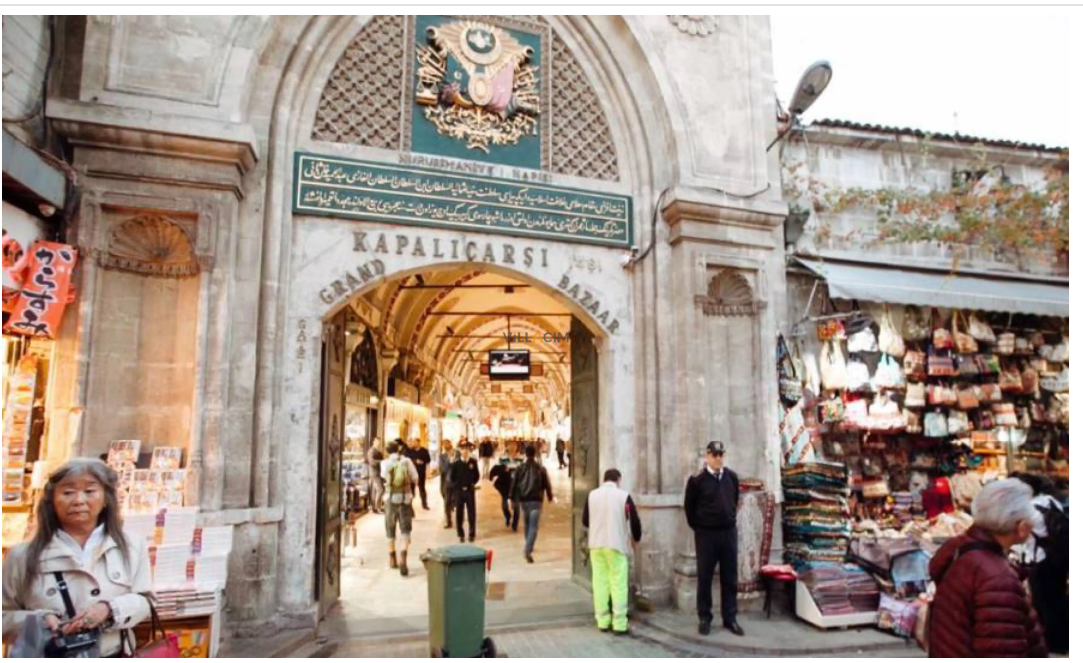 kapalicarsi
Gold demand in Türkiye has weakened amid geopolitical uncertainty, leading to the closure of the long-standing price gap between domestic and international markets. While prices have stabilized, structural constraints such as import quotas and customs barriers continue to weigh on exports and investment in the sector.
Domestic–Global Price Gap Closes
The gap between domestic and international gold prices—once driven as high as $10,000 per kilogram due to import quotas—has now effectively disappeared.
Recent market dynamics show:
- Domestic prices have, at times, fallen below global benchmarks
- The gap has largely normalized in recent weeks
- Prices are now broadly aligned with international markets
This marks a significant shift after years of distortion in Türkiye’s gold pricing structure.
Weak Demand Drives Market Rebalancing
The primary factor behind the narrowing price gap has been a sharp decline in investment demand.
According to industry representatives:
- Demand for physical gold (“under-the-mattress” savings) has weakened
- War-related uncertainty has discouraged investors
- Volatility in energy and commodity markets has clouded price expectations
As a result, investor appetite for gold has diminished, easing pressure on domestic pricing.
Central Bank Influence and Market Stability
Market participants also point to the role of the Central Bank of the Republic of Türkiye.
- Central bank sales have contributed to price normalization
- These operations have primarily targeted international markets
Overall, sector representatives describe current price levels as relatively stable.
Silver Market Returns to Balance
Similar dynamics have been observed in silver:
- Strong demand last year drove prices sharply higher
- This surge created signs of a temporary price bubble
- Current levels are now viewed as more sustainable
Structural Constraints Continue to Weigh
Despite price normalization, deeper structural issues persist in the gold and jewelry sector.
Key challenges include:
- Import quotas limiting supply
- Customs procedures complicating trade
- Regulatory uncertainty discouraging investment
These factors have contributed to a significant outflow of capital in recent years.
Industry sources report that investors have increasingly shifted toward alternative hubs such as Dubai and Singapore.
- Many investors are willing to return to Türkiye
- However, ongoing structural constraints are preventing re-entry
This trend is particularly concerning given the sector’s high value-added potential.
Exports See Sharp Decline
The impact on exports has been significant:
- Export volumes have fallen by approximately 55%
Industry representatives argue that removing regulatory barriers could unlock substantial growth potential.
Weak Demand in Domestic Market
In key trading centers such as Grand Bazaar:
- Demand for investment gold has dropped noticeably
- Global slowdown and geopolitical risks are weighing on sentiment
Analysts also note that recent speculative price swings may have discouraged smaller investors.
Cautious Outlook for Wedding Season
The summer wedding season—traditionally a peak period for gold demand—is approaching under subdued expectations.
- Demand remains weak
- Activity is expected to be below historical averages
However, industry participants believe the downturn could be reversed with supportive policy measures.
Opportunity for Türkiye as Regional Hub
Despite current challenges, the sector sees strategic opportunity:
- Türkiye has strong production capacity and expertise
- It could position itself as a regional gold and jewelry hub
To achieve this, industry stakeholders emphasize the need to:
- Remove import quotas
- Simplify customs procedures
- Improve the investment climate
Current Price Levels
Recent market data indicates:
- Gold per ounce: $4,500–$4,600 range
- Gold per kilogram: $146,000–$147,000
- Domestic gram gold prices: around 6,600–6,640 TL
On Borsa Istanbul’s precious metals market, standard gold prices are near 6.7 million TL per kilogram.
By Recep Ercin, DUNYA economy reporter
Reprinted with author’s written permission