



E-Commerce Customs Lead to 1,300pct Cost Increase
 custom regulations
International e-commerce customs procedures in Türkiye have undergone a drastic transformation following a new regulation that came into effect in February 2026. What was once a streamlined process for affordable overseas shopping has turned into a financial crisis for consumers, as illustrated by a recent case where a 770 TL garden faucet incurred staggering customs and consultancy fees totaling 10,392 TL.
The February 2026 Regulation: End of Exemptions
The root of this crisis lies in a Presidential Decree published on January 7, 2026, which became effective on February 6. Previously, orders under 30 Euros were subject to a “simplified customs declaration” and a fixed tax rate. Under the new rules, this exemption has been entirely abolished.
Now, even a product worth 1 Euro is subject to a full customs declaration (“Tam Beyanname”). This reclassifies individual consumer purchases as “Commercial Imports,” triggering professional consultancy fees, inspection costs, and standard import taxes that often exceed the item’s value tenfold or more.
Monopoly Concerns: The PTT and Consultancy Controversy
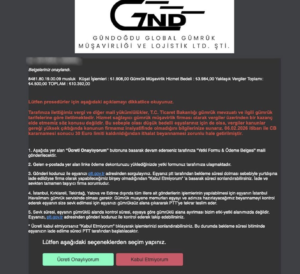
The administrative handling of these new rules has sparked intense debate over market competition. Consumers receiving notification telegrams from PTT, a state-owned institution, report being directed exclusively to a single private firm, “Gündoğdu Global Customs Consultancy,” for their clearance operations.
This lack of alternatives has led to accusations of “monopoly.” Public complaint platforms are currently flooded with grievances regarding high service fees and communication barriers with the designated firm, prompting consumer rights advocates to question why a public entity is funneling all business to a specific private entity.
Corporate Responsibility: Silence from E-Commerce Giants
Global platforms like Amazon have come under fire for failing to update their user interfaces to reflect these legal shifts. For the 770 TL faucet, the customer was never warned about potential customs risks at checkout. When faced with the 10,392 TL bill, many platforms shift responsibility to “third-party global sellers,” leaving the buyer to navigate the bureaucratic maze alone.
Consumer Protection Tips for Overseas Shopping:
-
Verify Shipping Terms: Only proceed if the checkout includes “Delivery Duty Paid ” (DDP).
-
Check Seller Origin: Look for “Global Seller” or “Shipped from Abroad” labels before confirming.
-
Know Your Rights: If faced with exorbitant fees, consult Consumer Arbitration Committees before making any payments.
Source: karar