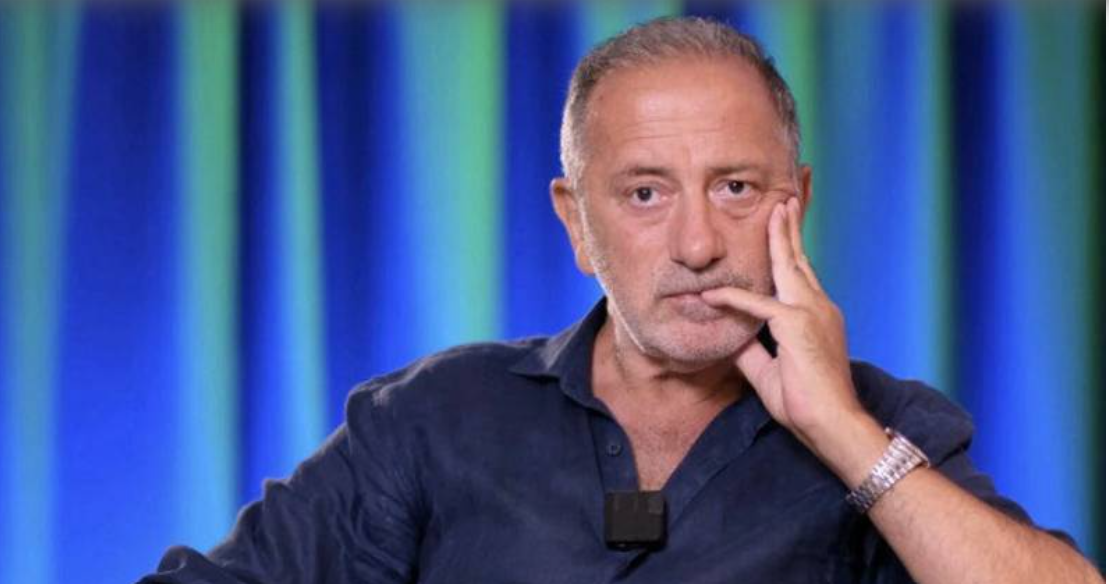
Government Intensifies Pressure on Journalists as Courts Hand Down 3 Prison Sentences
 censorship
By Staff Reporter
Concerns over press freedom in Türkiye have intensified after a series of court rulings targeting journalists, with critics arguing that legal measures are increasingly being used to restrict independent reporting.
Veteran journalist Zafer Arapkirli, a columnist for BirGün and a television commentator, was sentenced to 2 years and 6 months in prison on charges of “publicly disseminating misleading information.”
The case is particularly notable as it was brought under Türkiye’s controversial “disinformation law,” which authorities had previously said would not be used against journalists.
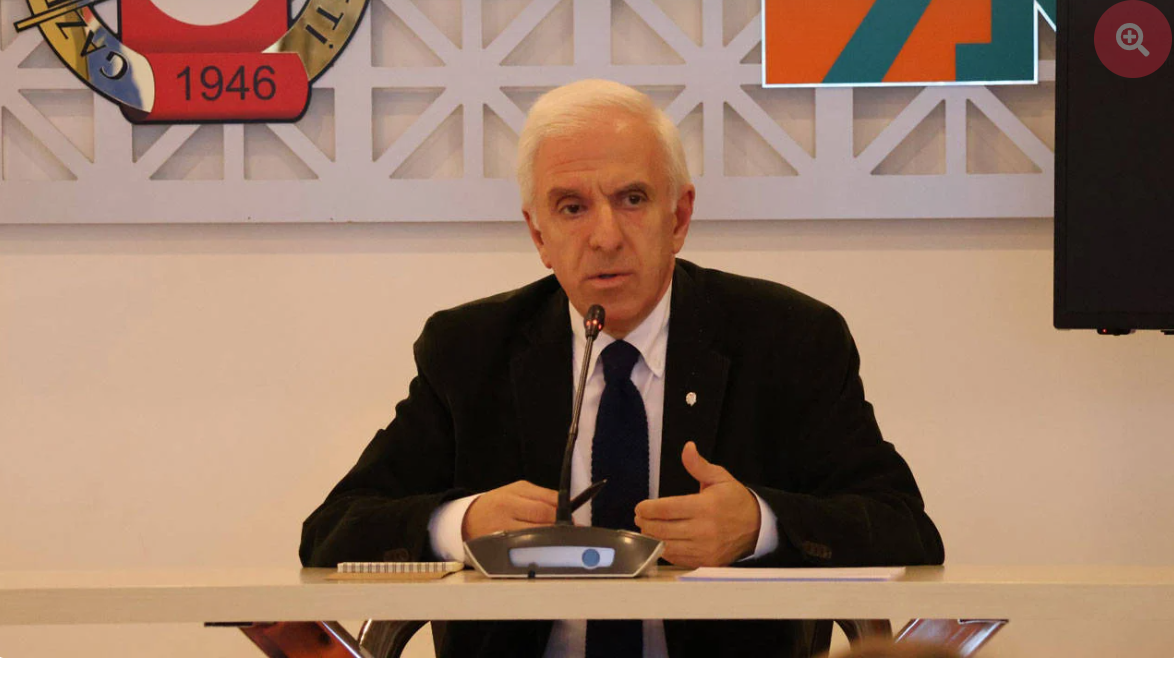
Zafer Arapkirli
Arapkirli Rejects Charges
Appearing in court, Arapkirli denied all accusations and refused to mount a conventional legal defense, arguing that the charges themselves were unfounded.
“I refuse to defend myself against a crime I did not commit,” he said, instead accusing authorities of attempting to prevent journalists from informing the public.
Following the verdict, Arapkirli stated that the core issue was not his individual case but broader restrictions on access to information.
“The real issue is the attempt to impose a ban on informing the public,” he told reporters.
Pattern of Legal Pressure
Arapkirli also pointed to a broader pattern of legal actions against journalists, citing cases involving reporters such as İsmail Arı, Alican Uludağ, Merdan Yanardağ, Furkan Karabay, and Sinan Aygül, some of whom have faced detention or imprisonment.
He argued that charges such as “insulting the president,” “inciting hatred,” and “spreading misleading information” are being widely used to penalize journalistic activity.
According to Arapkirli, the judiciary is being used to create what he described as an “information blackout,” limiting the public’s right to access independent news.
Additional Sentences for Journalists
The latest ruling follows other recent cases involving prominent journalists.
Columnist Barış Pehlivan was sentenced to 1 year and 3 months in prison on similar charges related to comments made during a broadcast. The court ruled that his remarks about members of the judiciary could undermine public trust and therefore constituted the dissemination of misleading information.
Baris Pehlivan and Murat Agirel

Journalist Murat Ağırel also received a 1 year and 3 months prison sentence after discussing official export data during a television program. Ağırel had cited figures indicating a sharp rise in exports to Palestine, suggesting that trade with Israel may have continued indirectly.
Sharing the ruling on social media, Ağırel criticized the decision, arguing that reporting official data and commenting on trade policy had been criminalized.
Growing Debate Over Press Freedom
The recent cases have fueled debate over the scope and application of Türkiye’s disinformation law, particularly regarding its impact on media freedom.
Critics say the law is being used to suppress dissent and limit investigative journalism, while authorities maintain that it is necessary to combat false information and protect public order.
The wave of prosecutions comes amid broader political tensions and follows increased scrutiny of opposition figures and independent media outlets.
Related articles
Justice Minister Defends Altaylı’s Arrest: “No One Can Call the President a Dictator”
TRT Under Fire as Mansur Yavaş Accuses Broadcaster
Islamist Yeni Akit Issues Direct Threat to CHP Leader Özgür Özel: “You’ll End Up in Silivri Too”