Inflation and Macroeconomic Outlook: CBRT’s Vision for 2026
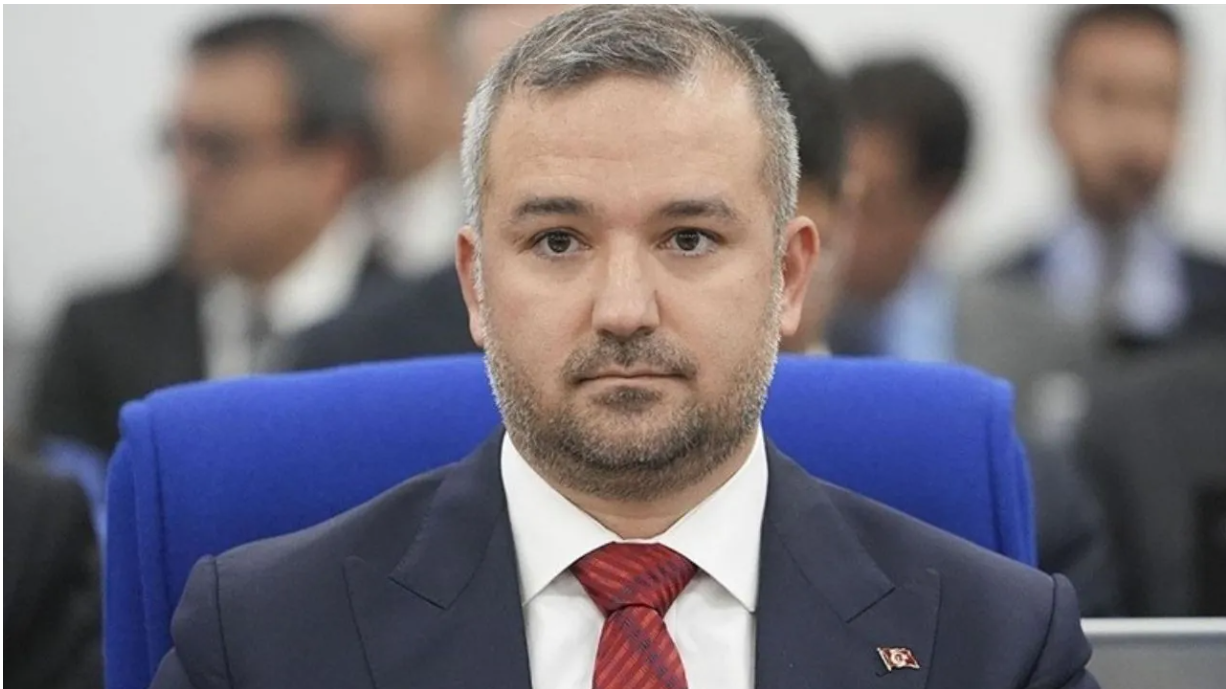 fatih karahan
Annual inflation has retreated to 30.9% as of March, signaling a successful transition into the disinflation phase, according to Central Bank of the Republic of Türkiye (CBRT) Governor Fatih Karahan. During a high-level presentation to international investors in New York, Karahan detailed how the bank’s tight monetary stance is effectively cooling domestic demand and restructuring the nation’s macroeconomic foundations.
Disinflation Progress: Breaking Price Rigidity
A core focus of the “Inflation and Macroeconomic Outlook” presentation was the visible decline in long-standing price inertia. Governor Karahan highlighted that the downward trend is no longer limited to volatile items but is now permeating “sticky” sectors such as education and housing rentals.
The reduction in inflation to 30.9% is a primary indicator that the central bank’s path is yielding results. Karahan expressed confidence that this trend would persist throughout 2026, supported by a significant deceleration in service-sector pricing and a stabilizing exchange rate environment.
Economic Balancing: Managing Credit and Demand
The CBRT’s tightening cycle has successfully redirected the trajectory of domestic consumption. Key indicators shared with investors include:
-
Credit Growth Control: Loan expansion significantly slowed in the first quarter of 2026, a trend confirmed by both hard data and survey-based indicators.
-
Economic Cooling: Low capacity utilization rates and weakened demand indices suggest that the economy is successfully shifting toward a more sustainable growth model.
-
Internal Rebalancing: By curbing excess domestic demand, the bank is creating the necessary room for price stability without triggering a hard landing.
Inflation and Macroeconomic Outlook: Resilience and Strengthened Reserves
Addressing Türkiye’s standing in global finance, Karahan emphasized the robustness of the country’s external balance. Supported by consistent tourism revenue and manageable energy costs, the current account deficit remains well below historical averages.
Furthermore, Karahan noted that CBRT reserves are currently in a significantly stronger position compared to previous periods of global capital volatility. He highlighted that even with fluctuations in household demand for foreign currency, the central bank’s liquidity buffers provide a substantial safety net, reinforcing investor confidence in the Turkish Lira’s long-term stability.
Related articles
ING Global Sets 2026 Outlook for Turkey: Inflation, Rates, and the Dollar Path

İTO Chief Warns: ‘Turkey Can’t Afford to Grow Its Trade Deficit’
Şimşek Says Inflation Expectations Are Coming Down