



Security Overdrive: Turkey Shuts Down Telegram Channels and Detains 411 in Wake of Unprecedented School Shootings
 okul saldırları cenzae
Turkey is reeling from a new and violent trauma as the government initiates a sweeping crackdown on digital platforms following the nation’s first deadly mass school shootings. In a rapid law enforcement response, Turkish police announced on Friday the detention of 411 individuals and the blocking of 1,866 URL addresses for “misleading the public and undermining public order.”
The legal onslaught comes in the immediate aftermath of a bloody week in southern Turkey, where two separate incidents at educational institutions have shattered the country’s sense of security and sparked an intense debate over adolescent mental health and access to firearms.
A Double Tragedy in the Heartland
The crisis began on Tuesday at the Ahmet Koyuncu Vocational and Technical High School in the Siverek district of Şanlıurfa. A former student, identified by the initials O.K. (born in 2007), entered the premises and opened fire, wounding 16 people before taking his own life.
Less than 24 hours later, a second, more lethal attack occurred in Kahramanmaraş. A 14-year-old eighth-grade student opened fire at the Ayser Çalık Secondary School, killing eight children and one teacher before being killed at the scene. Investigations revealed the shooter used weapons belonging to his father, a former police officer who has since been taken into custody.
Target: The Digital Underground
As news of the shootings spread, social media became a breeding ground for panic, misinformation, and alleged “copycat” threats. The Turkish government’s response has been focused heavily on encrypted messaging apps, specifically Telegram.
Authorities highlighted a specific group named “C31K,” which is assessed to have shared content glorifying the incidents. In a coordinated move, 111 Telegram channels linked to this group were forcibly shut down.
“Efforts to combat provocative content and activities aimed at misleading the public are being carried out with determination,” the Turkish police stated, justifying the arrests of 411 people for “inciting hatred and hostility” and “issuing threats.”
The Rise of “Incel” Subcultures and War Games
The shooters’ profiles have raised alarms among psychologists and security experts. Early findings indicate the Kahramanmaraş shooter had expressed admiration on social media for Elliot Rodger, the 2014 California gunman associated with the “incel” subculture. Digital forensics found entries on the shooter’s computer from April 11, hinting at a “major attack in the near future.”
Experts like Prof. Aslı Çarkoğlu note that while mass shootings are a new phenomenon for Turkey, the underlying violence is not. “The guns weren’t there before, but the violence was,” she stated, pointing to a history of stabbings and bullying within the school system. There is growing concern that these high-profile attacks could serve as a “blueprint” for other frustrated adolescents.
A New National Reality
For a country where mass school shootings were previously viewed as a uniquely American horror, the events in Kahramanmaraş and Şanlıurfa mark a dark turning point. The government is currently prioritizing the “control of the narrative” to prevent further escalation, but the public is demanding more than just internet blocks.
At the gates of the Ayser Çalık Secondary School, now guarded by police, the focus is shifting toward long-term solutions:
-
School Security: Increasing the presence of trained security personnel at school entrances.
-
Firearm Regulations: Stricter oversight on the storage of service weapons by former and active law enforcement officers.
-
Digital Monitoring: Enhanced surveillance of extremist subcultures on platforms like Telegram and Discord.
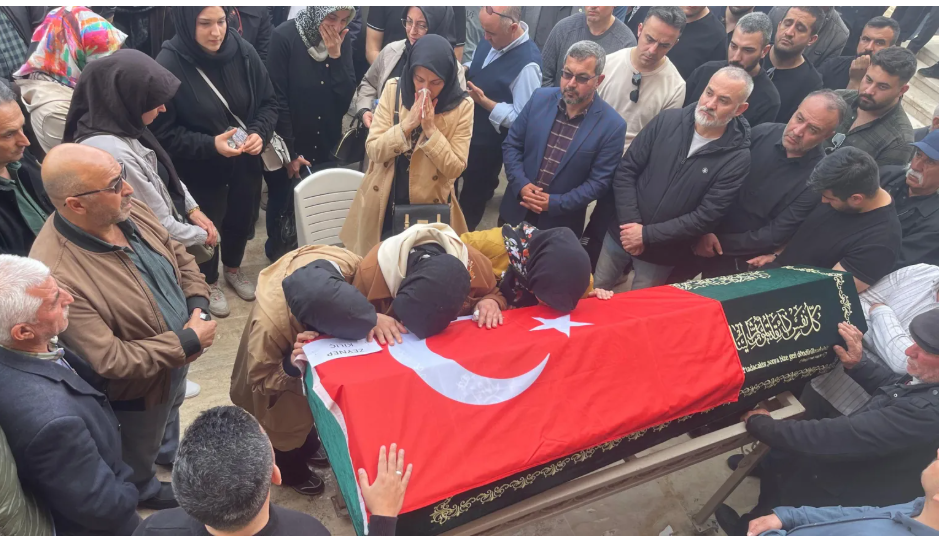
As Turkey buries its youngest victims, the nation faces the difficult task of balancing the need for public order with the necessity of addressing the systemic mental health and security gaps that allowed such a tragedy to occur.