Türkiye’s Shift to Realpolitik Strengthens Its NATO Role
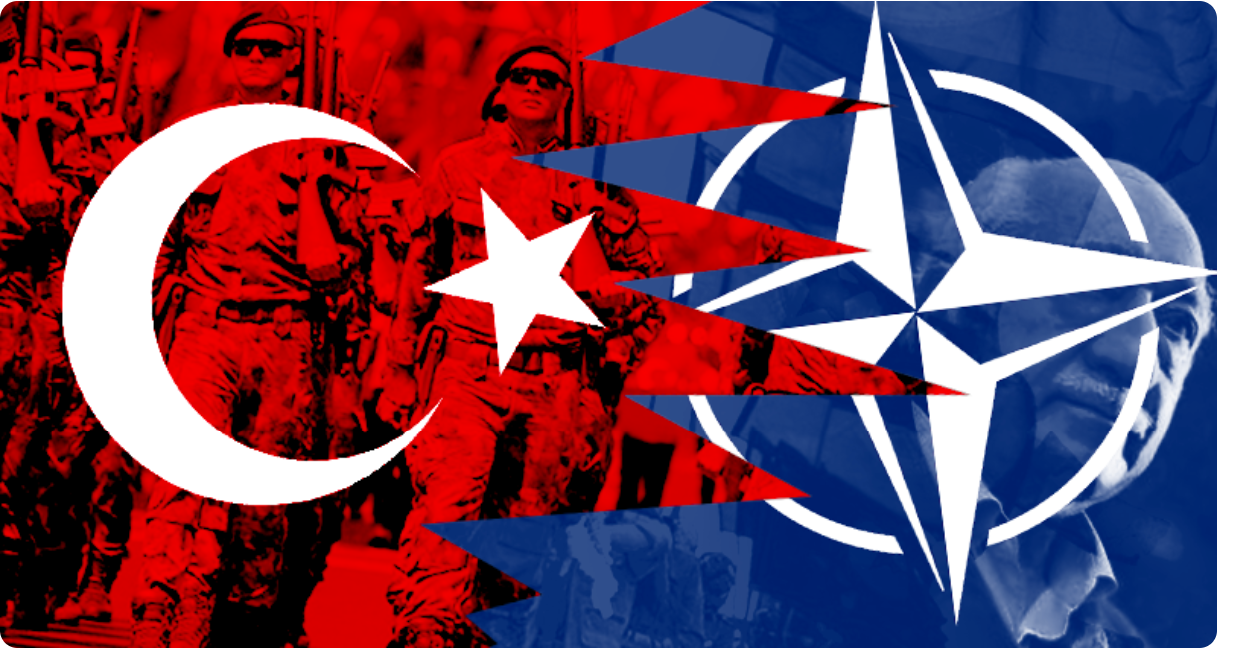 tr nato
By Murat Yetkin, Yetkin Report
Four years after Russia’s invasion of Ukraine, Türkiye’s foreign policy pivot toward realpolitik and strategic autonomy has reshaped its role within NATO. By balancing relations with both Moscow and Kyiv while reinforcing its military capabilities, Ankara has emerged as a key strategic actor in an increasingly unstable global order.
A Turning Point: Russia’s 2022 Invasion
On February 24, 2022, Russian forces entered Ukraine, marking a major escalation in global geopolitical tensions. While NATO had anticipated the move, the invasion came as the world was still recovering from the COVID-19 pandemic, raising fears of a prolonged, low-intensity global conflict.
Just days later, Türkiye formally designated the situation as a war and took a decisive step under the Montreux Convention.
Ankara restricted the passage of warships through the Turkish Straits, allowing only vessels registered to Black Sea ports to pass. This prevented Russia from reinforcing its Black Sea fleet with ships stationed in the Mediterranean.
Analysts widely view this move as a critical factor that limited Russia’s operational flexibility and prevented potentially heavier early losses for Ukraine.
NATO Reawakens, Black Sea Gains Importance
The war triggered a strategic recalibration across the West.
European Union countries, which had reduced military spending after the Cold War, turned back toward NATO and the United States for security guarantees.
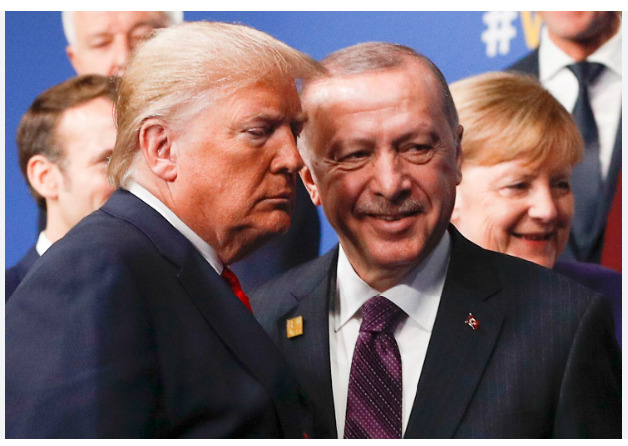
At the same time, Washington intensified pressure on European allies—especially under Donald Trump—to increase defense spending and procure more military equipment.
The conflict also renewed NATO’s focus on the Black Sea, elevating Türkiye’s strategic importance. Positioned on NATO’s southeastern flank, Türkiye found itself simultaneously managing borders in the Middle East and acting as a gatekeeper to the Black Sea.
From Ideology to Realpolitik
According to political observers, Türkiye’s foreign policy has undergone a notable shift since 2022—from an ideology-driven approach to a more pragmatic, realpolitik framework.
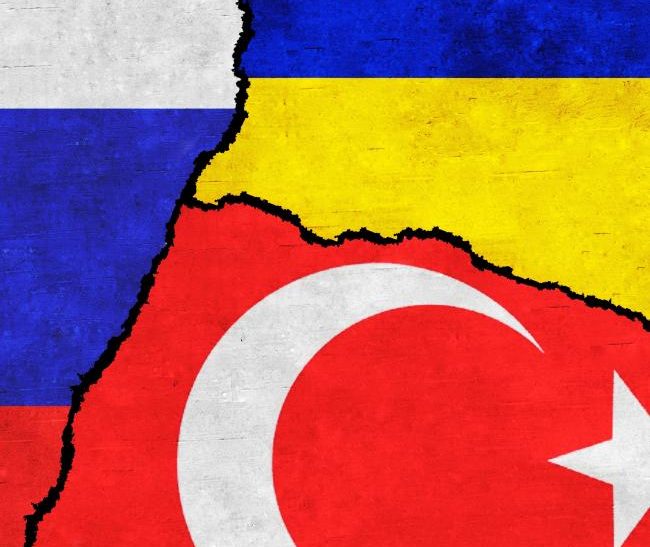
This transformation has enabled Ankara to maintain working relations with both Russia and Ukraine, while also facilitating diplomatic engagement between the two sides.
Türkiye hosted multiple rounds of talks between Russian and Ukrainian representatives, reinforcing its role as a mediator even as it supplied military equipment—such as drones—to Ukraine.
Strategic Autonomy Takes Shape
The shift toward realpolitik has gone hand in hand with Türkiye’s pursuit of “strategic autonomy,” a concept that gained traction following the failed 2016 coup attempt.
One of the most controversial manifestations of this policy was Türkiye’s purchase of the S-400 missile system from Russia. The move led to its removal from the F-35 program by the United States, straining bilateral ties.
Despite criticism, Ankara has maintained that it can fulfill its NATO obligations while independently safeguarding national interests.
This approach has also been reflected in Türkiye’s conditions for approving NATO membership bids by Sweden and Finland, particularly regarding policies toward the PKK.
Balancing Conflict and Diplomacy
Türkiye has consistently avoided direct military involvement in the Russia–Ukraine war, opting instead for a balancing strategy.
This stance extends to broader regional tensions. Ankara has sought to prevent escalation in conflicts involving Iran and has refrained from allowing its airspace to be used for potential military operations.
While the effectiveness of such efforts remains uncertain, they underscore Türkiye’s broader goal of minimizing regional instability.
Expanding Role Within NATO
Far from weakening its position, Türkiye’s strategic balancing has strengthened its standing within NATO.
The country is set to host the 2026 NATO Leaders’ Summit in Ankara, further highlighting its central role within the alliance.
Additionally, Türkiye has played a prominent part in NATO’s largest military exercise of the year, contributing approximately 2,000 troops—one of the largest national contingents.
Its military capabilities have also drawn attention, particularly:
- Deployment of mechanized brigades over long distances
- Integration of advanced drone technologies
- Expansion of naval and amphibious capabilities
Systems such as the TCG Anadolu amphibious assault ship, drone platforms, and domestically produced defense technologies have been highlighted in NATO assessments.
The Trillion-Dollar Crater: Mapping the Global Economic Destruction of the Iran War
A More Fragile Global Order
Four years on, Russia’s invasion of Ukraine continues to shape the global security landscape.
The erosion of post-World War II arms control agreements—combined with renewed nuclear tensions—has heightened concerns about global stability.
Debates over nuclear deterrence have intensified, not only between major powers but also within Europe, as countries reassess their defense strategies.
Türkiye’s Dual-Track Strategy
In this uncertain environment, Türkiye’s approach stands out as a dual-track strategy:
- Remaining firmly within NATO
- Expanding domestic defense capabilities
- Maintaining dialogue with competing powers
- Prioritizing conflict prevention
This balance between alliance commitments and national autonomy is likely to remain a defining feature of Türkiye’s foreign policy in the years ahead.
PA Turkey intends to inform Turkey watchers with diverse views and opinions. Articles in our website may not necessarily represent the view of our editorial board or count as endorsement.
Follow our English YouTube channel (REAL TURKEY):
https://www.youtube.com/channel/UCKpFJB4GFiNkhmpVZQ_d9Rg
Twitter: @AtillaEng
Facebook: Real Turkey Channel: https://www.facebook.com/realturkeychannel/