Mehmet Simsek: “We See Fragilities as Manageable”
 ekonomi kırılgan
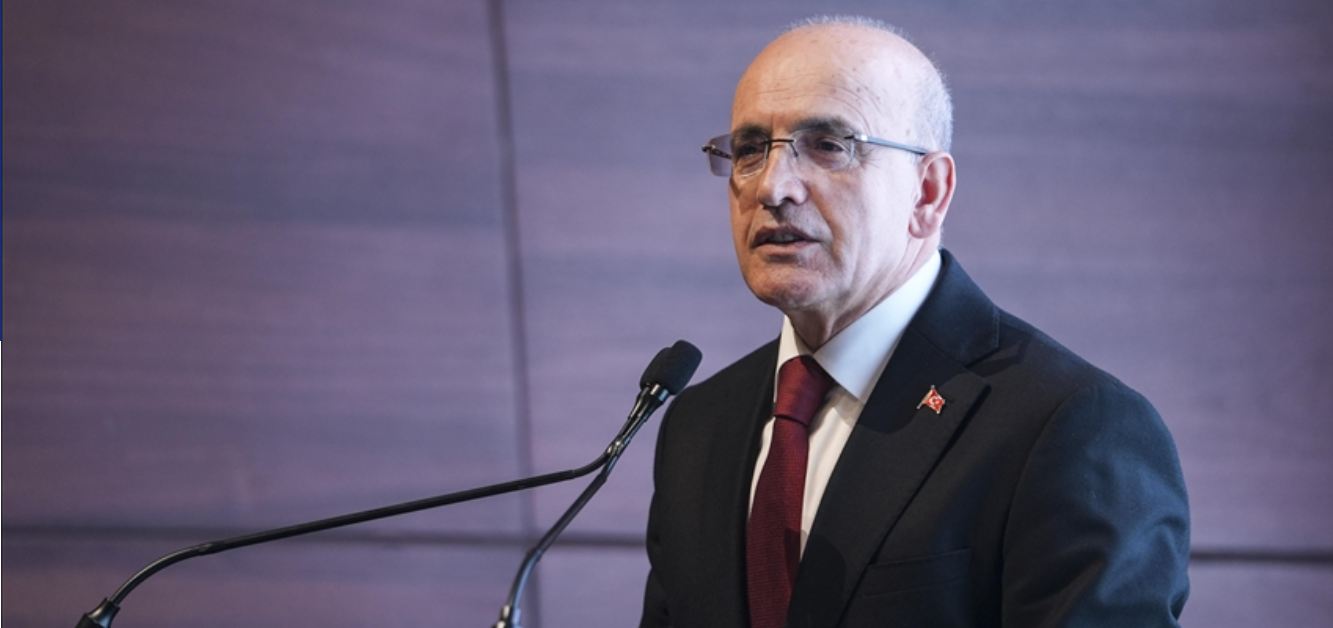
Turkish Treasury and Finance Minister Mehmet Simsek said the country’s economic vulnerabilities remain “manageable” despite rising geopolitical risks, emphasizing that Türkiye has strengthened its resilience to external shocks through its ongoing economic program. Speaking at the International Economy Summit, Simsek highlighted energy market risks, global fragmentation, and the potential impact of regional conflict, while underlining Türkiye’s improved fiscal position and policy flexibility.
Simsek Warns of Lasting Impact from Geopolitical Shocks
Treasury and Finance Minister Mehmet Simsek said wars create far more persistent and severe economic consequences than other types of shocks, warning that the current geopolitical environment poses significant risks to the global economy.
Speaking at the opening of the International Economy Summit (UEZ 2026) in Sapanca, Simsek described the ongoing conflict in the Middle East as a “major shock,” particularly due to its impact on global energy markets.
He pointed to the strategic importance of the Strait of Hormuz, noting that it is a critical transit route not only for oil but also for natural gas and fertilizers, amplifying the scale of potential disruptions.
“A Fragile Ceasefire” and Market Volatility
Simsek said the current ceasefire in the region remains fragile, adding that financial markets have already begun to reflect this uncertainty.
He noted that oil price increases have been more pronounced compared to previous crises, and warned that even if the ceasefire holds, both the global economy and Türkiye are likely to experience some degree of lasting damage.
Structural Shifts Reshaping the Global Economy
Beyond immediate geopolitical risks, Simsek emphasized that the global economy is undergoing a period of deep structural transformation.
He highlighted several key forces shaping this transition:
- Trade wars and rising fragmentation
- Demographic shifts
- Climate change
- The disruptive impact of artificial intelligence and automation
Simsek said these developments signal a lasting break from past economic norms, adding that “neither the region nor the world will return to its previous state.”
Confidence in Türkiye’s Economic Resilience
Simsek expressed confidence in Türkiye’s ability to withstand external shocks, arguing that recent economic policies have significantly strengthened the country’s macroeconomic foundations.
He recalled that in 2025, Türkiye faced multiple challenges, including trade tensions, regional conflicts, drought, and agricultural frost, yet managed to navigate them without major disruptions.
According to Simsek, the economic program implemented since mid-2023 has:
- Reinforced macroeconomic stability
- Built stronger buffers against shocks
- Improved overall resilience
He said the program has effectively “proven itself” under stress conditions.
Relative Advantage in Energy Exposure
Simsek also pointed to Türkiye’s relatively limited exposure to Middle Eastern energy supply risks as a key advantage.
He noted that Türkiye’s dependence on oil from the region is minimal, while natural gas imports from Iran continue via pipelines and have not been disrupted so far.
This lower level of dependency could provide Türkiye with a degree of insulation if the conflict escalates further and disrupts global energy supply chains.
Strong Fiscal Position Provides Policy Space
Simsek highlighted fiscal discipline as one of Türkiye’s strongest pillars.
Despite major expenditures following the 2023 earthquake and other structural costs, he said the budget deficit has been reduced to below 3% of GDP.
By comparison, he noted that the average budget deficit in emerging markets stands above 6%, placing Türkiye in a relatively stronger position.
He added that low public debt and controlled deficits provide policymakers with room to maneuver in response to shocks.
Current Account Risk Remains Key Vulnerability
Simsek acknowledged that the current account deficit continues to be a critical area of vulnerability.
He said rising oil prices will directly widen the deficit, while the conflict could also affect trade and tourism revenues.
However, he stressed that Türkiye’s gross external financing needs are lower than in previous periods, helping to contain risks.
“We expect the deficit to increase somewhat, but we see these fragilities as manageable,” he said.
Reserves and Market Stability
Simsek said Türkiye has built significant buffers in terms of international reserves, which have helped cushion the initial impact of the shock.
He noted that while there was some capital outflow at the onset of the conflict due to declining global risk appetite, flows have started to reverse following the ceasefire.
He also emphasized that domestic demand for foreign currency has remained limited, reflecting continued confidence in the economic program.
“We are in a comfortable position in terms of reserve adequacy,” Simsek said.
Outlook: Managing Risks in a Volatile Global Environment
Simsek’s remarks reflect a cautiously optimistic outlook for Türkiye’s economy amid heightened global uncertainty.
While acknowledging risks from energy prices, the current account, and geopolitical tensions, he underscored that improved policy credibility and stronger fundamentals have enhanced Türkiye’s ability to navigate external shocks.
Source: International Economy Summit (UEZ 2026)