TCMB Gold Sales Trigger Sharp Global Price Drop: FT
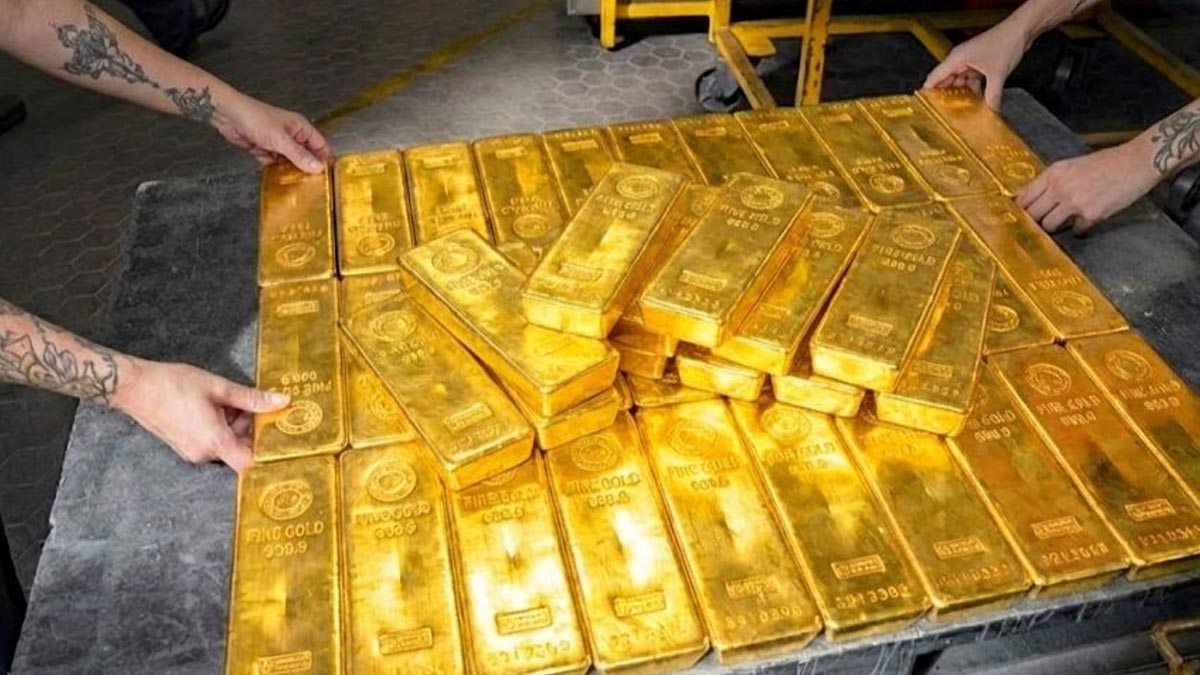 gold reserves
The Central Bank of the Republic of Türkiye (TCMB) has made a significant impact on international markets with its recent strategic gold maneuvers. According to a Financial Times report, the TCMB’s massive gold sales and swap operations, undertaken in response to regional conflicts involving Iran, contributed to one of the sharpest declines in global gold prices since the 2008 financial crisis.
To stabilize the Turkish Lira and meet urgent foreign-exchange liquidity needs, the TCMB executed approximately $20 billion in sales and swap transactions during March 2026.
Record Sell-Off: 52 Tons in One Month
Data from London-based Metals Focus reveals the scale of the TCMB’s intervention between February 27 and March 27, 2026:
-
Net Sales: The Central Bank sold 52 tons of gold.
-
Reserve Levels: Türkiye’s net gold reserves dropped to 440 tons, the lowest level in over two years.
-
Peak Activity: The sell-off accelerated in the final weeks of March, with 31 tons sold in the week ending March 7 alone.
The “Swap Effect” on Global Prices
In addition to direct sales, the TCMB engaged in 79 tons of gold swaps (gold lending). These operations effectively increased the physical supply of gold in the market, creating significant downward pressure on prices. The Financial Times noted that this influx of supply was a primary driver behind the most dramatic monthly price correction seen in nearly two decades.
Expert Analysis: Liquidity vs. Reserves
Economist Uğur Gürses commented on the necessity of these moves, noting that, because a large portion of TCMB reserves was held in gold, selling was the only viable way to secure immediate FX liquidity amid war-induced market volatility.
“Entering the market with such high volumes of gold inevitably creates a profound impact on global prices,” Gürses stated.
However, Gürses also offered a more stable outlook for the near future, suggesting that the Central Bank has now reached a more comfortable liquidity position, making further aggressive sales unlikely in the short term.
Click for Financial Times article