Türkiye’s Treasury Borrowing Surges to TRY 1.6 Trillion in First Quarter
 borc2
borc2
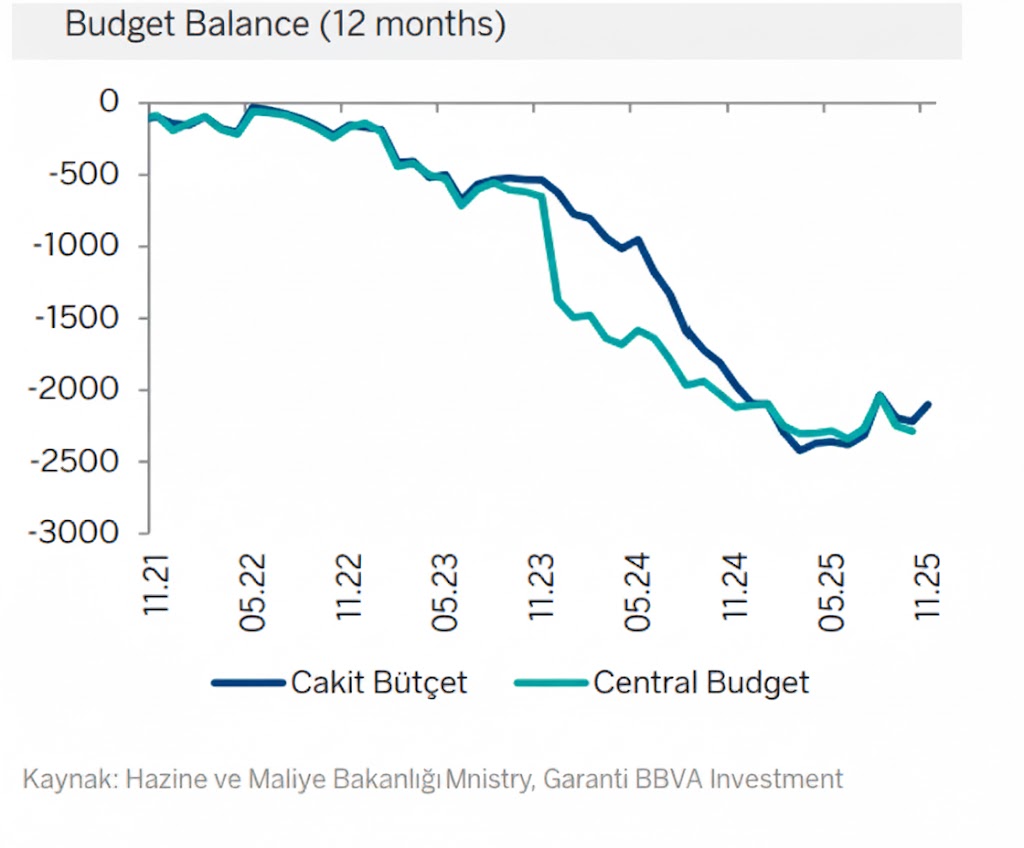
Türkiye’s Treasury borrowed a total of TRY 1.63 trillion in the first quarter of the year, nearly doubling from a year earlier, as high debt repayments and rising interest costs offset a relatively improved budget deficit. The figures highlight mounting pressure on public finances despite slower growth in the cash deficit.
Cash Deficit Remains Elevated Despite Slower Growth
According to data from the Treasury and Finance Ministry, Türkiye’s cash revenues rose 64.9% year-on-year in the January–March period to TRY 3.99 trillion.
Expenditures increased by 38.4% to TRY 4.61 trillion, resulting in a cash deficit of TRY 618.3 billion.
While the deficit declined by 31.4% compared to the same period last year, it remains historically high. Over recent years, first-quarter deficits have expanded sharply:
- 2022: TRY 23.1 billion
- 2023: TRY 257.9 billion
- 2024: TRY 570.4 billion
- 2025: TRY 901.6 billion
The latest figures suggest some moderation in the pace of deterioration, but fiscal pressures persist.
Interest Payments Drive Spending Higher
A key factor behind the deficit was the sharp rise in interest payments.
Non-interest expenditures rose 28.9% to TRY 3.75 trillion, while interest payments surged 103% to TRY 867.7 billion.
As a result, the share of interest payments in total spending increased from 12.8% to 18.8%, reflecting the growing cost of past borrowing.
Brokerages Warn Inflation Risks Persist Despite Softer Data; Limited Room for Rate Cuts
Domestic Debt Repayments Spike
The Treasury faced a heavy repayment burden in the first quarter, largely driven by domestic debt.
Total debt repayments reached TRY 1.097 trillion, including:
- TRY 918.3 billion in domestic debt
- TRY 178.7 billion in external debt
While external repayments declined year-on-year, domestic repayments surged by 684%, pushing total repayments up by 215.8%.
This sharp increase reflects the rollover of large volumes of previously issued high-cost domestic debt.
Gross Borrowing Nearly Doubles
To finance both the deficit and maturing debt, the Treasury issued TRY 1.63 trillion in new borrowing during the first quarter.
This marks a 91.4% increase compared to the same period last year.
Average daily borrowing rose to TRY 18.1 billion, up from TRY 9.4 billion a year earlier, underscoring the acceleration in financing needs.
Domestic Borrowing Dominates
The bulk of new borrowing came from domestic markets.
The Treasury raised TRY 1.38 trillion through domestic bond issuances, representing an 82% increase year-on-year.
Net domestic borrowing, after repayments, stood at TRY 458.6 billion, slightly below last year’s level.
External Borrowing Also Increases
Despite lower external debt repayments, the Treasury increased its external borrowing significantly.
Gross external borrowing rose by 172.5% to TRY 178.7 billion, resulting in net external borrowing of TRY 74.4 billion.
Net Borrowing Reaches TRY 533 Billion
After accounting for repayments, Türkiye’s total net borrowing — combining domestic and external sources — amounted to TRY 533 billion in the first quarter.
This represents the net liquidity added to the Treasury’s cash position.
Additional Financing Sources
Beyond borrowing, the Treasury relied on several supplementary funding channels:
- Cash reserves: TRY 50.3 billion
- Transfers from the Savings Deposit Insurance Fund (TMSF): TRY 33.9 billion
- Exchange rate gains: TRY 31.4 billion
These inflows helped stabilize the Treasury’s cash balance at TRY 31.4 billion by the end of the period.
Conclusion
The first-quarter data underscores the growing strain on Türkiye’s public finances, driven by elevated interest costs and a sharp increase in debt repayments.
Although the pace of deficit expansion has slowed, the scale of borrowing required to roll over debt and finance spending highlights ongoing fiscal vulnerabilities.
Going forward, interest rate dynamics and debt management strategy will remain critical in determining the sustainability of public finances.
Dr Naki Bakir, DUNYA, excerpt
PA Turkey intends to inform Turkey watchers with diverse views and opinions. Articles in our website may not necessarily represent the view of our editorial board or count as endorsement.
Follow our English YouTube channel (REAL TURKEY):
https://www.youtube.com/channel/UCKpFJB4GFiNkhmpVZQ_d9Rg
Twitter: @AtillaEng
Facebook: Real Turkey Channel: https://www.facebook.com/realturkeychannel/***