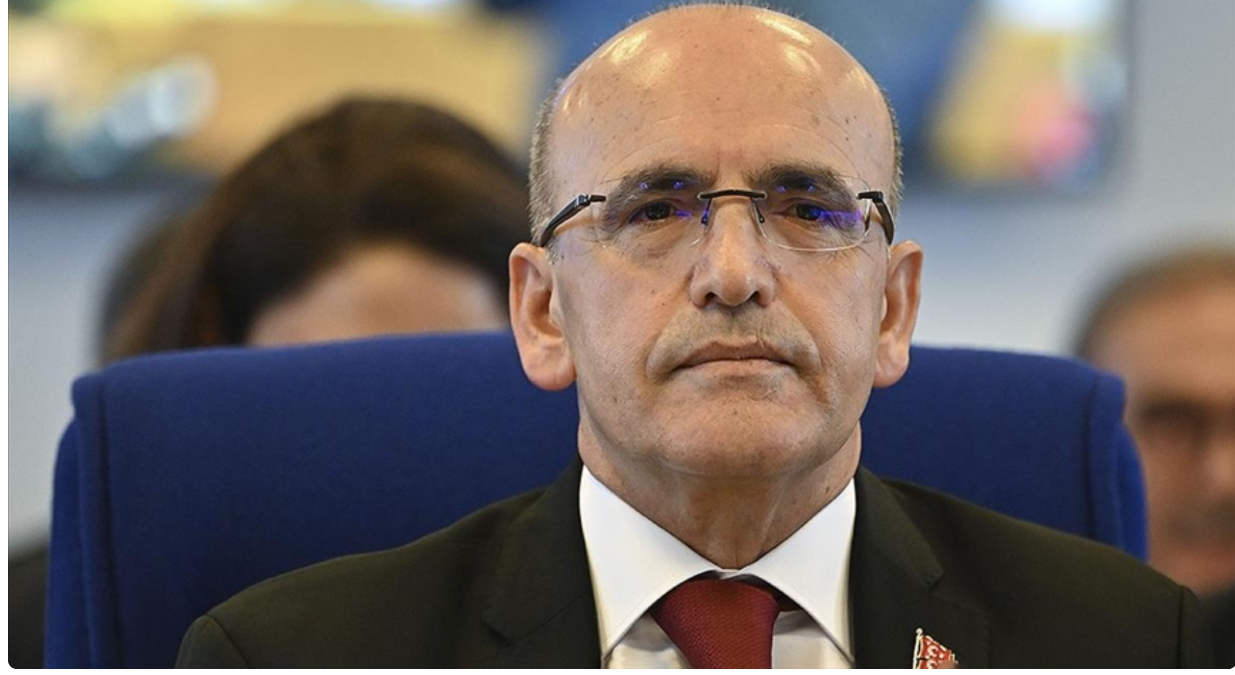
The bitter truth, from the mouth of Mehmet Simsek
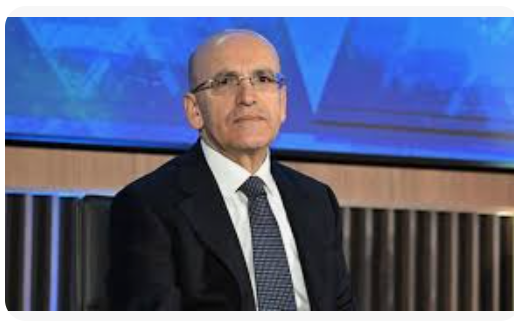 mehmet simsek2
Türkiye’s Şimşek Warns of Global Shock After Iran War, Signals Pressure on Inflation and Growth
Türkiye’s Treasury and Finance Minister Mehmet Şimşek said the Iran war has triggered one of the largest global supply shocks since World War II, warning of tighter financial conditions, rising inflation risks and a widening current account deficit. While Ankara sees no immediate changes to tax policy, a comprehensive economic reassessment is expected in September.
“One of the Biggest Supply Shocks in Decades”
Speaking in a televised interview, Treasury and Finance Minister Mehmet Şimşek described the economic fallout from the Iran war as one of the most significant supply-side shocks in modern history.
He said disruptions to global supply chains could take months to normalize, adding that tightening financial conditions and slowing growth are already prompting capital outflows in several economies.
“If commodity prices remain elevated for a prolonged period, the risk of global recession and stagflation will increase,” Şimşek said, expressing hope that the ceasefire will hold and lead to a lasting agreement.
No Immediate Policy Changes on Taxes or Restructuring
Şimşek also signaled policy continuity on key domestic issues, stating that there are no plans to change withholding tax rates and no tax debt restructuring is currently on the agenda.
He noted that a broader reassessment of economic conditions will take place in September, suggesting policymakers are adopting a wait-and-see approach amid heightened uncertainty.
Rising Inflation Expectations, Conditional Outlook
The minister said global inflation expectations have moved higher in the wake of the conflict, though he argued that emerging markets are relatively better positioned due to stronger macroeconomic frameworks.
Şimşek emphasized that the duration of the crisis will be critical. A conflict lasting less than 45 days would likely have more limited economic impact, while investor risk appetite could recover relatively quickly.
He added that the baseline scenario assumes the war would last around one month and that developments so far have not significantly exceeded those expectations.
Prof. Esfender Korkmaz Warns of Sharp Economic Slowdown Risk in Türkiye
Türkiye Seen as Relatively Resilient
Despite being a net energy importer and geographically close to the conflict zone, Şimşek said Türkiye has maintained financial stability better than many peer economies.
He noted that the Financial Stability Committee convened quickly after the outbreak of the war and that authorities acted promptly to contain market volatility.
Authorities Ready With Additional Measures
Şimşek said measures taken by the Capital Markets Board and the Central Bank of the Republic of Türkiye (CBRT) have helped support financial markets.
He added that policymakers stand ready to deploy additional tools if necessary.
“We have policy measures ready in our toolbox depending on different scenarios,” he said.
Reserves as a Key Buffer
On external buffers, Şimşek highlighted the role of foreign exchange reserves in shielding the economy from shocks.
He pointed to a reserve level of approximately $162 billion, arguing that adequacy has improved compared to previous periods. He also said that net reserves excluding swaps are now positive.
Inflation and Current Account Pressures
Şimşek acknowledged that inflation expectations have deteriorated slightly, while rising energy prices are likely to widen the current account deficit.
According to the latest CBRT survey, year-end inflation expectations stand at 25.4%.
He reiterated that combating the cost-of-living crisis remains the government’s top priority.
Energy Costs and Competitiveness
Şimşek said Türkiye continues to benefit from relatively low natural gas and electricity prices compared to OECD peers.
He highlighted ongoing efforts to improve competitiveness through logistics investments, including rail-port integration and policies aimed at reducing transportation costs.
He also noted that financing support for labor-intensive sectors is being maintained, while energy costs continue to be subsidized.
Oil Price Assumptions Under Review
Commenting on oil prices, Şimşek said current levels have retreated to around $80 per barrel, but official economic projections are based on a $65 assumption.
He stressed that the $15 gap needs to be carefully assessed and confirmed that a full evaluation of economic conditions will be conducted in September.
Conclusion
Şimşek’s remarks underline growing global and domestic economic pressures following the Iran war.
While Türkiye has so far managed to maintain relative stability, rising inflation risks, tighter financial conditions and a widening current account deficit suggest a more challenging period ahead.
The government’s next comprehensive policy assessment in September is likely to be a key milestone in shaping the economic outlook.
PA Turkey intends to inform Turkey watchers with diverse views and opinions. Articles in our website may not necessarily represent the view of our editorial board or count as endorsement.
Follow our English YouTube channel (REAL TURKEY):
https://www.youtube.com/channel/UCKpFJB4GFiNkhmpVZQ_d9Rg
Twitter: @AtillaEng
Facebook: Real Turkey Channel: https://www.facebook.com/realturkeychannel/***
Related articles

Turkey Introduces Comprehensive Regulations for Crypto Asset Service Providers
Goldman Sachs Warns on Türkiye: Inflation Risks Rising, Rate Hike Looms

Morning Brief: Ceasefire Optimism Fades as Markets Turn Cautious