



Private School Incentives: Structural Shift vs. Labor Rights in Türkiye
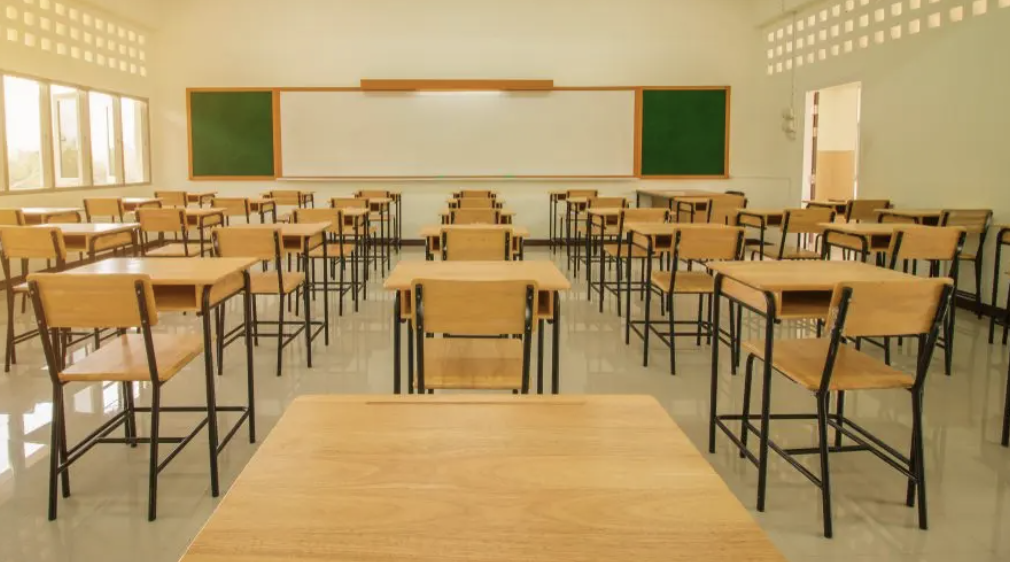 Closed schools
The recent debates in the TBMM General Assembly have highlighted a stark contrast in Türkiye’s fiscal priorities. While a proposal to impose a 20% Special Consumption Tax (ÖTV) on diamonds and jewelry was recently withdrawn, the rapid expansion and heavy incentives for the private education sector continue to spark controversy. Critics argue that while essential household items like cooking gas remain subject to ÖTV, luxury goods and corporate interests—particularly private school patrons—benefit from extensive state support.
The Explosive Growth of Private Schools
Over the last 25 years, the landscape of Turkish education has undergone a radical transformation. From the 2001-2002 academic year to 2024-2025, the number of private schools has grown by a staggering 700%.
-
Quantity: Private schools increased from 1,887 to 14,700 in less than a quarter-century.
-
Market Share: Private institutions now account for 19.85% of all schools, up from just 3.72%.
-
Sector Density: Currently, one in five schools in Türkiye is private. The concentration is highest in pre-school education (41.22%) and high schools (24.81%).
A “Boutique” Incentive System for Patrons
According to reports from the Presidential Investment and Finance Office (August 2025), the private education sector is bolstered by a comprehensive “Investment Incentive System.” These private school incentives include:
-
Tax Relief: VAT (KDV) exemptions and corporate tax reductions.
-
Operating Costs: Social security premium support (employer’s share) and interest or profit share support.
-
Infrastructure: Customs duty exemptions and the allocation of public lands for school construction.
While these measures are designed to attract investment and reduce the burden on the public education budget, they have drawn criticism for effectively transferring public wealth and state land to private entities.
The Plight of Private Sector Teachers
The sector’s expansion has created a massive labor pool, with approximately 177,738 teachers (15% of all teachers in Türkiye) now working in private institutions. However, this growth has not translated into improved labor rights.
Since the removal of the base salary right in 2014, teachers in the private sector often face:
-
Wage Suppression: Salaries frequently fall near or below the poverty line.
-
Job Insecurity: Widespread use of flexible, temporary, and precarious contracts.
-
Inequality: A widening gap between the luxurious facilities provided to students and the working conditions of the educators.
Social Impact: Education as a Sector vs. a Right
The shift toward viewing education as a “market sector” rather than a fundamental public right has deep sociological implications. As privatization increases, educational inequality deepens. Families who cannot afford private tuition are often left with overcrowded public alternatives, while hundreds of thousands of children are reportedly dropping out of formal education due to poverty and a loss of hope in social mobility through schooling.
The current political discourse suggests that the fight for equal, free, and qualified public education is becoming a central demand for labor unions and opposition groups, who call for the “re-nationalization” of resources currently allocated to private school incentives to ensure a future where no child is left behind.