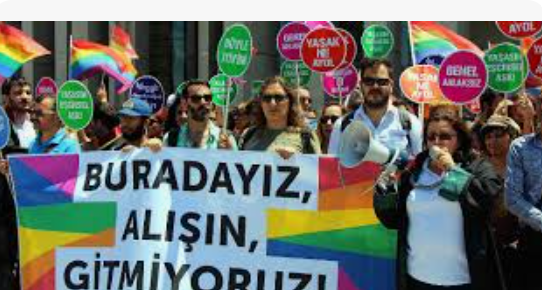
Turkey Puts 11 LGBTQ+ Association Leaders on Trial Over ‘Obscenity’ Charges
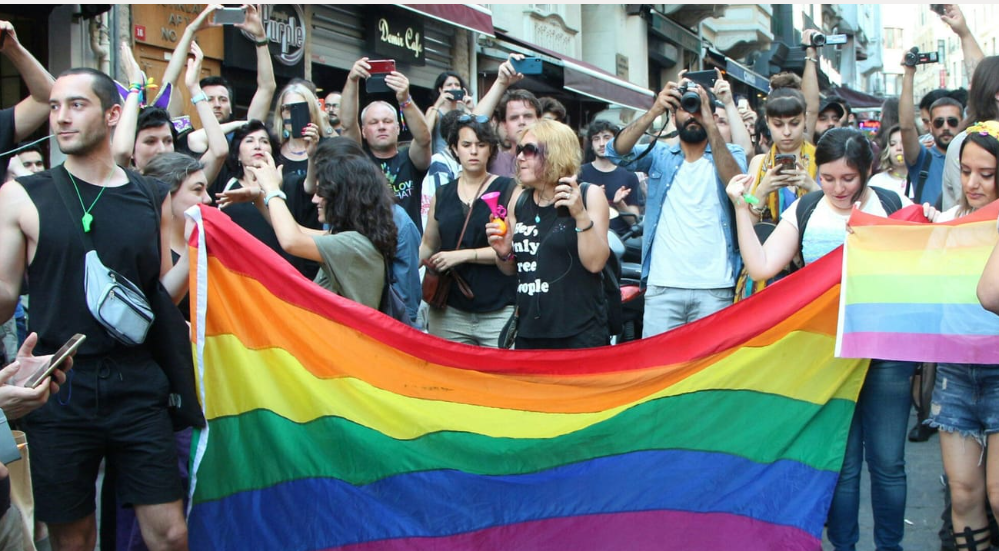 lgbt
lgbt
Eleven leaders of a Turkish LGBTQ+ rights organisation have gone on trial in İzmir on charges including “obscenity” and “violating the protection of the family.” The case has drawn criticism from rights advocates, who argue it reflects broader pressure on LGBTQ+ groups and civil society in Türkiye.
Charges Target Social Media Content
The defendants, members of the Genç LGBTI+ (Young LGBTI+) association, are accused of violating legal provisions related to family values and public morality.
According to case details, prosecutors cite social media posts depicting same-sex couples kissing as evidence of “obscene content.” If convicted, the defendants could face prison sentences of up to three years, along with restrictions on their civil rights.
The trial is taking place in the western city of İzmir.
Legal but Increasingly Contested Space
While homosexuality is not illegal in Türkiye, LGBTQ+ groups have faced growing scrutiny from authorities in recent years.
Government officials, including President Recep Tayyip Erdoğan and members of the ruling AK Party, have frequently criticised LGBTQ+ movements, at times linking them to broader societal issues such as declining birth rates.
This rhetoric has coincided with increased legal and administrative pressure on LGBTQ+ organisations and public events.
Lawyer: Case Reflects Broader Policy Shift
Kerem Dikmen, a lawyer representing the defendants and also a member of the association’s supervisory board, described the trial as part of a wider effort to exclude LGBTQ+ individuals from public life.
“This case is not about obscenity,” Dikmen said. “Activities that are lawful and constitutionally protected are being criminalised. It is an attack on freedom of expression and association.”
He added that the proceedings risk setting a precedent that could further restrict civil society space.
Parallel Legal Pressure and Dissolution Case
The trial comes alongside a separate legal process in which authorities have sought to dissolve the Genç LGBTI+ association on similar grounds.
Activists have appealed a court decision issued in December ordering the group’s closure, arguing that it violates fundamental rights.
Dikmen said the case sends a broader message: “We will continue defending human rights, but it is clear that this process is also intended to signal something to society.”
Reports of Wider Crackdown
Recent reporting in international media has highlighted increased pressure on LGBTQ+ activists in Türkiye, particularly during Pride month events.
Rights groups have documented police interventions at marches, detentions of activists, and restrictions on public gatherings in cities including Istanbul, Ankara and Eskişehir.
Additional measures cited include administrative warnings to students, blocked public statements, and limitations on cultural or academic events linked to LGBTQ+ themes.
Broader Debate Over Rights and Public Space
The trial underscores ongoing tensions in Türkiye over the boundaries of freedom of expression, association and public morality.
While authorities frame such cases within the context of protecting social values and public order, critics argue they risk narrowing the space for civil society and minority rights.
Source: BirGün Gazette
Related articles
All Hail the Sultan: Turkish Citizen Sentenced to 10 Months in Prison After Filing Complaint Against Erdoğan
Turkish court arrests woman for ‘Insulting the President’ in street interview
Kılıçdaroğlu defends freedom of expression on social media