Prof. Selva Demiralp: CBRT Must Avoid Creating Information Asymmetry with Investors
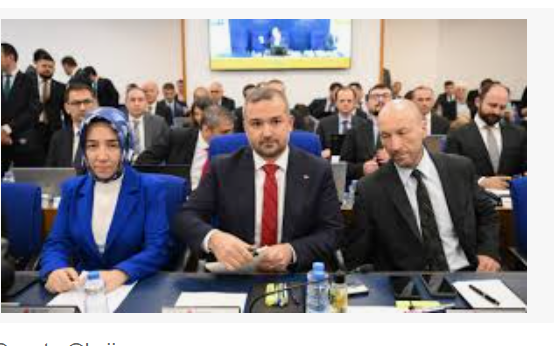 tcmb ppk
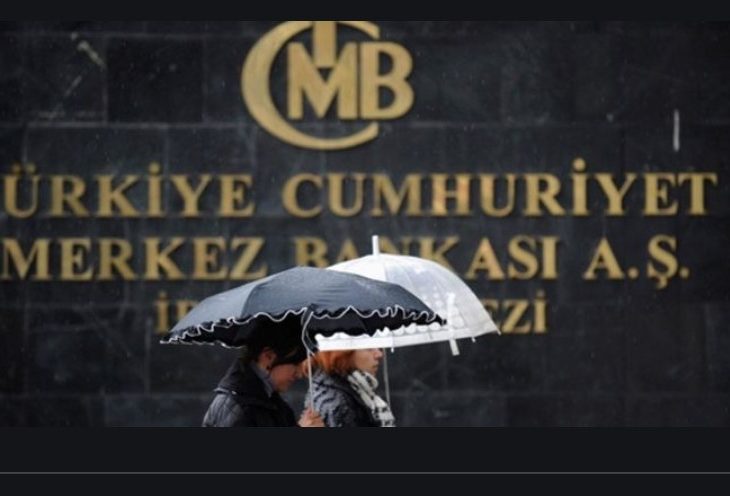
Economist Prof. Selva Demiralp warned that Türkiye’s central bank must avoid any perception of sharing privileged information with select investors, arguing that even implied signals from closed-door meetings risk undermining institutional credibility. Her remarks come after reports suggested that officials may have hinted at future rate hikes during investor meetings in London.
Who is Selva Demiralp?

Prof. Selva Demiralp is a well-known Turkish economist and professor at Koç University, specialising in monetary policy and central banking. She previously worked as an economist at the Federal Reserve Board in Washington and is widely recognised for her research on inflation dynamics, policy credibility and central bank communication. Demiralp is a frequent commentator on Türkiye’s macroeconomic policy and institutional framework.
Warning Against Preferential Signalling
Demiralp stressed that Türkiye’s structural reliance on foreign capital—driven by chronically low domestic savings—makes transparent and credible communication with global investors essential, particularly during periods of heightened geopolitical risk.
However, she cautioned that closed-door meetings with investors must strictly adhere to official communication frameworks.
“Sharing previously undisclosed information about interest rate decisions with a limited group would create unfair advantages and is unacceptable,” she argued, highlighting both legal and ethical concerns.
According to Demiralp, any selective signalling risks creating information asymmetry in financial markets, undermining trust in institutions.
Controversy Over London Investor Meetings
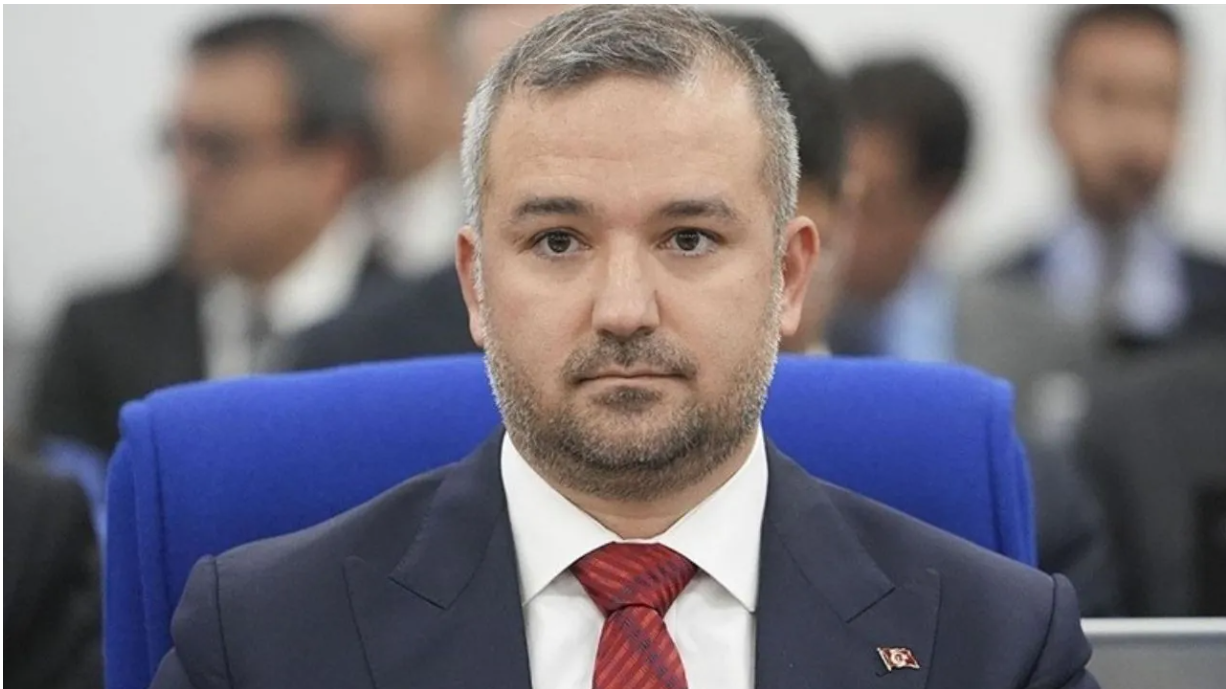
Her comments follow reports that senior Turkish officials, including Treasury and Finance Minister Mehmet Şimşek and CBRT Governor Fatih Karahan, may have hinted at a possible rate hike during meetings with foreign investors in London.
Media coverage suggested that participants interpreted the meetings as signalling a potential tightening move in April.
Demiralp said such reporting is deeply problematic, as it implicitly accuses policymakers of breaching their duties.
“If such information exists, it constitutes misconduct. If it does not, then there is no news,” she noted, pointing to what she described as a long-standing contradiction in market narratives.
Call for Cultural Shift in Market Practices
Demiralp also criticised what she described as a widespread market culture that assumes closed-door investor meetings provide actionable policy signals.
תגובות from market participants, she noted, often reflect a belief that such meetings routinely include new or privileged information—even if unintentionally.
She argued that this perception must change, and that closed meetings—whether domestic or international—should lose their “news value” in terms of monetary policy signals.
“The idea that interest rate decisions can be inferred from private meetings should be seen as a waste of time,” she said.
Brokerages Warn Inflation Risks Persist Despite Softer Data; Limited Room for Rate Cuts
Central Bank Communication Must Be Uniform
Demiralp emphasised that the globally accepted principle in central banking is clear: all policy-relevant information must be communicated simultaneously to all market participants through official channels.
Former CBRT Governor Durmuş Yılmaz echoed this view, stating that all market-related information should be distributed equally and transparently.
Recent statements from both the central bank and the Treasury, reaffirming their commitment to communication discipline, were described by Demiralp as important and reassuring.
Institutional Credibility at Stake
Demiralp concluded that protecting institutional credibility must take precedence over short-term market speculation.
“Damaging the reputation of our institutions in pursuit of interest rate signals must never be tolerated,” she said.
She expressed hope that recent clarifications by policymakers would mark a turning point in public awareness and help eliminate speculative interpretations of closed-door meetings.
PA Turkey intends to inform Turkey watchers with diverse views and opinions. Articles in our website may not necessarily represent the view of our editorial board or count as endorsement.
Follow our English YouTube channel (REAL TURKEY):
https://www.youtube.com/channel/UCKpFJB4GFiNkhmpVZQ_d9Rg
Twitter: @AtillaEng
Facebook: Real Turkey Channel: https://www.facebook.com/realturkeychannel/***