Ali Babacan Questions 49bn Dollar Reserve Loss: “Who Profited from Cheap FX?”
 ali-babacan
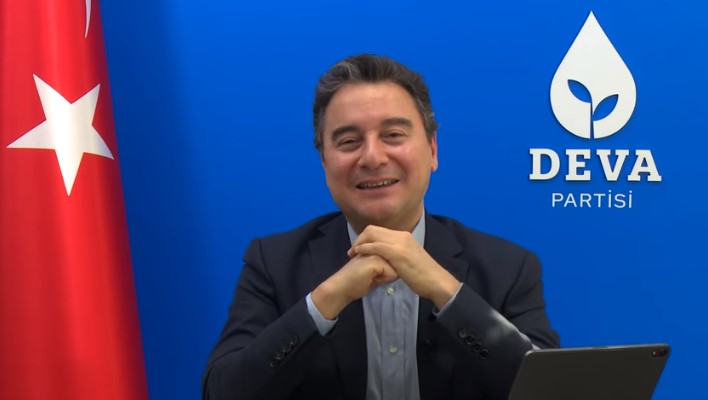
Former economy czar and DEVA Party leader Ali Babacan has sharply criticised Türkiye’s economic management, alleging that the central bank sold at least $49bn in foreign exchange reserves over the past 40 days without transparency. Babacan claims the operations resemble past “backdoor interventions” and argues that investors who accessed cheap foreign currency profited heavily through interest rate arbitrage.
Babacan Targets Reserve Depletion
Speaking at his party’s parliamentary group meeting, DEVA Party Chairman Ali Babacan raised concerns over what he described as a significant and largely undisclosed depletion of Türkiye’s foreign exchange reserves.
Babacan stated that the central bank had sold more than $49bn in reserves in roughly 40 days, stressing that the figure reflects net sales and excludes valuation effects such as changes in gold prices.
“Türkiye is not at war, yet over the past 40 days more than $49bn has been sold from central bank reserves,” Babacan said. “Have you heard any clear explanation from the government or the central bank? No.”
He argued that the lack of official communication echoes previous periods of opaque foreign exchange interventions, referring to what critics have described as “backdoor” operations in earlier years.
Transparency Concerns Resurface
Babacan also criticised the current exchange rate policy framework, saying it lacks clarity and accountability.
He contrasted the current approach with earlier implementations of a floating exchange rate regime, under which central bank interventions were regularly disclosed.
“If these actions are justified, why are they not explained?” Babacan asked. “For years, the central bank published how much foreign currency it bought and sold on a daily basis. Today, we are forced to extract this data indirectly from balance sheets.”
According to Babacan, the absence of transparency undermines confidence in economic management and raises questions about policy consistency.
“Where Did the $49bn Go?”
In the most pointed part of his remarks, Babacan questioned who ultimately benefited from the large-scale foreign exchange sales.
“If these reserves were sold through the back door, then who bought the $49bn?” he asked.
Babacan suggested that a significant portion of the buyers were investors engaging in carry trade strategies—bringing funds into Türkiye to benefit from high interest rates, converting earnings back into foreign currency, and then transferring profits abroad.
“Those who bought cheap foreign currency from the central bank earned interest income in Türkiye and then converted back into dollars,” he said. “They made compounded gains.”
Broader Implications
Babacan’s remarks come at a time of heightened scrutiny over Türkiye’s monetary policy and reserve adequacy. Analysts have been closely monitoring reserve movements amid ongoing efforts to stabilise the currency and manage inflation.
The allegations, if substantiated, could intensify debate over policy transparency and the effectiveness of intervention strategies, particularly as Türkiye navigates a complex macroeconomic environment marked by high interest rates and external financing needs.