



Energy Shock: Türkiye Implements Power and Gas Hikes
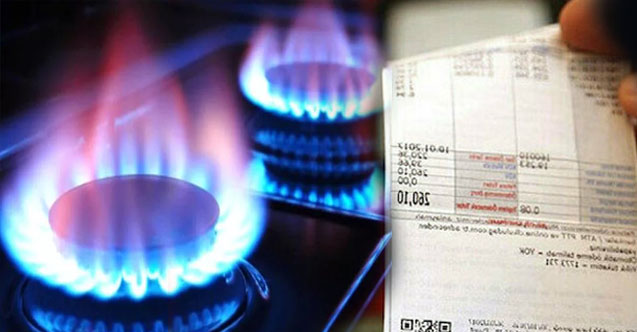 natural gas prices
In a decisive move to manage the fiscal fallout of the Middle East conflict, the Turkish government announced a 25% increase in retail electricity and natural gas prices for households, effective this April.
The adjustment follows a month of extreme volatility triggered by the closure of the Strait of Hormuz, sending global energy benchmarks soaring. While authorities have utilized a “sliding-scale” system to blunt the impact of $119 Brent crude, the sheer scale of import costs has forced a realignment of domestic tariffs to protect the national budget.
The Inflation Math: A 0.6% Direct Jump
Economists are already calculating the immediate “pass-through” of these hikes on the April inflation data. With electricity at 1.27% and natural gas at 1.08% in the consumer basket, the 25% jump is expected to add at least 0.6 percentage points to the monthly CPI.
-
The Silver Lining: Despite the war-driven pressure, March inflation showed a surprising dip to 30.9% (down from 31.5% in February).
-
The Risk: Analysts warn that “second-round effects”—where manufacturers and farmers pass their increased costs (up to 24.8% for agriculture) onto consumers—could raise total inflation by 2 to 3 percentage points over the next quarter.
The “High-Consumer” Tax: Tiered Pricing Explained
To shield low-income households while reducing the TL 650 billion subsidy burden, Energy Minister Alparslan Bayraktar has introduced a rigorous tiered pricing system.
-
The Threshold: Only the top 12% to 13% of residential gas users—those exceeding high-consumption limits—will face the new “high tariff,” which is approximately 70% higher than the regular rate.
-
Industrial Impact: Natural gas for power plants rose by 19.42%, while industrial consumers saw an 18.61% increase. This targeted approach aims to incentivize energy efficiency among the largest consumers without crushing the average household.
Fiscal Strategy: Managing a $62 Billion Bill
Türkiye’s energy import bill reached $62 billion last year, with over a quarter of imported gas used solely for electricity generation. The current conflict has made oil-indexed pricing a massive liability.
-
Subsidy Adjustments: The 2026 budget originally slashed energy subsidies to TL 305 billion (down from TL 650 billion). However, Minister Bayraktar indicated that if the war in Iran persists, this allocation may be increased to prevent a total collapse of the “real economy”.
-
The Sliding-Scale (ÖTV): By adjusting the Special Consumption Tax (ÖTV) on fuel, the government has managed to keep Turkish petrol prices among the most competitive in Europe, despite the $45 gap between the program’s $65 oil assumption and the current $110+ market price.