Brokerages Warn Inflation Risks Persist Despite Softer Data; Limited Room for Rate Cuts
 faiz-yukselen
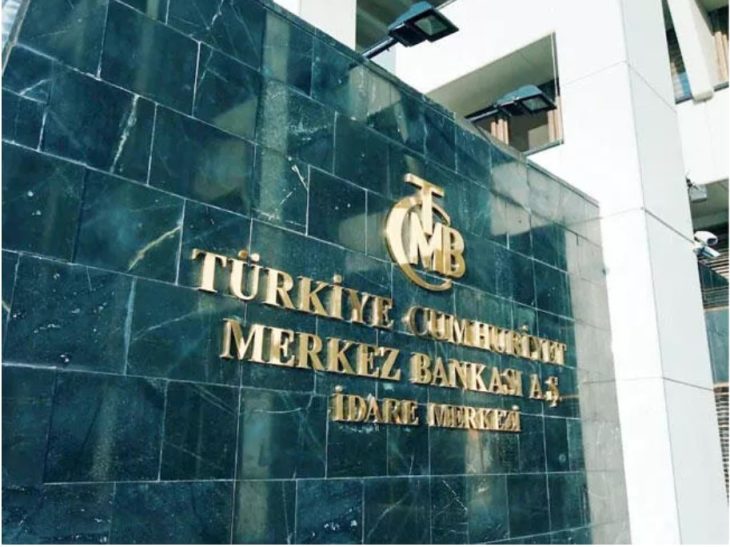
Although Türkiye’s March inflation came in below expectations, brokerage houses and banks caution that underlying pressures remain strong. Seasonally adjusted data point to persistent inflation momentum, while rising energy costs and geopolitical risks limit the Central Bank’s room for policy easing.
Below-Expectations Inflation Fails to Shift Policy Outlook
Türkiye’s headline inflation data for March showed:
- Monthly CPI: 1.94%
- Annual CPI: 30.87%
Despite the softer-than-expected print, analysts broadly agree that the data do not justify a rapid shift toward monetary easing by the Central Bank of the Republic of Türkiye.
According to a compilation by Matriks Haber based on brokerage reports:
- Inflation forecasts still carry upside risks
- The central bank is expected to maintain a cautious policy stance
Seasonally Adjusted CPI Signals Persistent Core Pressure
More importantly, seasonally adjusted indicators reveal stronger underlying inflation dynamics:
- Seasonally adjusted CPI: +2.02% (monthly)
- Core indicators:
- B index: +1.84%
- C index: +2.11%
Key components showed notable increases:
- Energy: +4.75%
- Services: +2.77%
These figures suggest that inflation inertia remains elevated, despite the moderation in headline data.
Year-End Inflation Forecasts Cluster Around 25–28%
Brokerage forecasts for end-2026 inflation range between:
- 24% – 29%, with most estimates clustering in the 25–28% band
Selected projections include:
- Citigroup: 29% (highest)
- Akbank: 28%
- OYAK Investment: 27.5%
- Şeker Investment: 27%
- BBVA / Garanti BBVA: ~25% (with upside risks)
- KuveytTürk: 24.1%
Drivers of the Downside Surprise: Temporary Factors
Analysts attribute the lower-than-expected March inflation mainly to:
- Moderation in food prices
- Declines in clothing prices
- The fuel tax smoothing mechanism (eşel mobil) limiting energy pass-through
However, most institutions stress that these factors are unlikely to be permanent.
Upside Risks: Energy, Geopolitics, and Commodities
Brokerages highlight several key risks that could push inflation higher:
- Rising global oil prices
- Middle East geopolitical tensions
- Supply disruptions linked to the Strait of Hormuz
- Dollarization pressures
Many analysts expect stronger inflationary pressures in April and May.
Interest Rate Outlook: Easing Expectations Fade
Market expectations for monetary policy remain cautious:
- Year-end policy rate: 31–32% range
- April Monetary Policy Committee meeting:
- Base case: rates on hold
- Alternative: further tightening if risks intensify
Institutional views vary:
- Alnus Investment: rate cuts may resume in June
- BBVA Research / ING: tightening remains possible
- Şeker, Trive, Gedik: maintain tight stance
Consensus: TCMB to Stay Cautious
Across reports, a clear consensus emerges:
- March data offer a short-term positive signal
- But inflation outlook remains fragile due to:
- Energy prices
- Reserve dynamics
- Geopolitical risks
As a result, the central bank is expected to prioritize policy tightness over early easing.
Conclusion: Inflation Still Sticky Beneath the Surface
While headline inflation has slowed, underlying indicators tell a different story:
- Core and seasonally adjusted data remain elevated
- External risks continue to build
- Policy easing expectations are being pushed further out
For markets, this means a prolonged period of tight monetary conditions remains the most likely scenario.
PA Turkey intends to inform Turkey watchers with diverse views and opinions. Articles in our website may not necessarily represent the view of our editorial board or count as endorsement.
Follow our English YouTube channel (REAL TURKEY):
https://www.youtube.com/channel/UCKpFJB4GFiNkhmpVZQ_d9Rg
Twitter: @AtillaEng
Facebook: Real Turkey Channel: https://www.facebook.com/realturkeychannel/