COMMENTARY: Mehmet Simsek’s scorecard
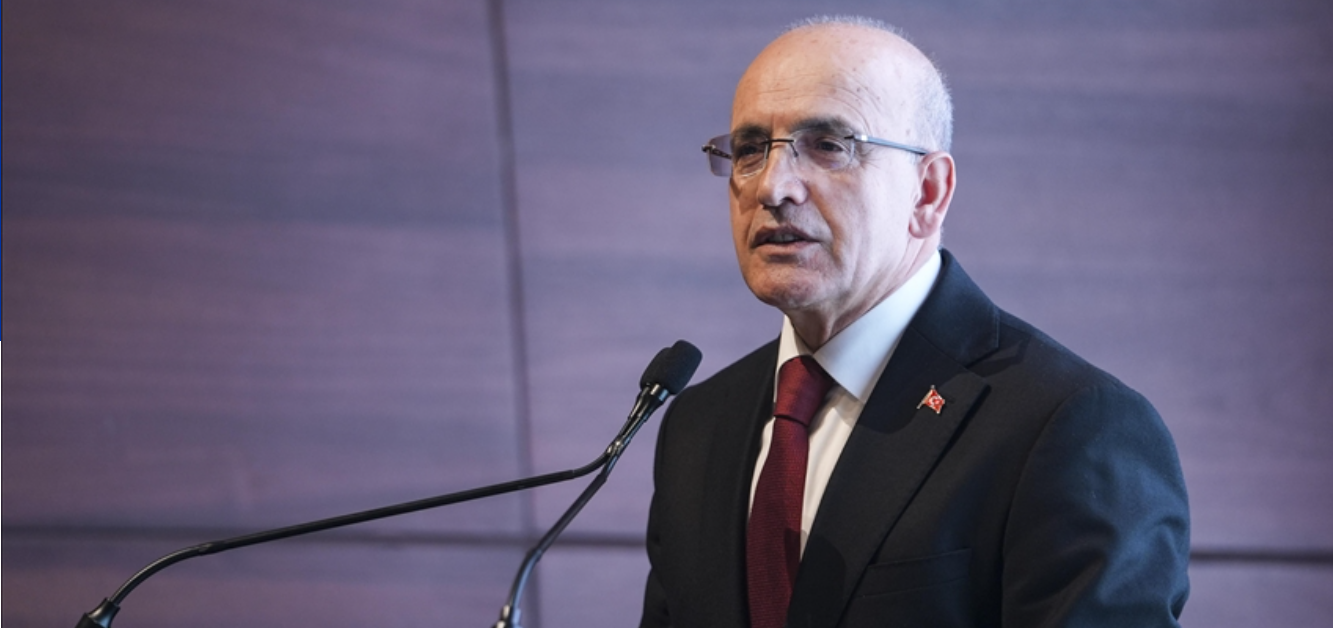 mehmet simsek
How Should We Assess Şimşek’s Record?
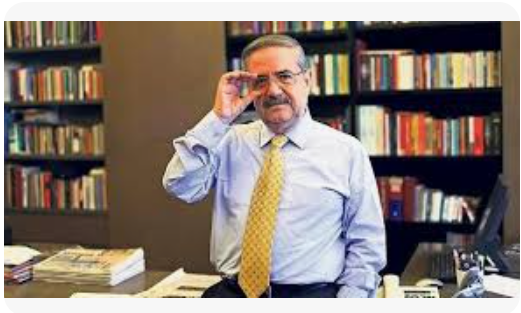
By Taha Akyol
As Türkiye’s economic management enters its third year under Finance Minister Mehmet Şimşek, debate is intensifying over the effectiveness of his policies. While stabilization efforts have yielded some results—particularly in reducing external vulnerabilities—the lack of structural reforms and institutional credibility continues to weigh on growth, investment, and public sentiment.
Author Taha Akyol
A Divisive Record After Three Years
How should Finance Minister Mehmet Şimşek’s performance be judged?
From the perspective of pensioners and low-income households, criticism is inevitable. The erosion in purchasing power has fueled widespread public frustration. At the same time, foreign investment inflows remain limited, while some domestic investors—particularly in the textile sector—are shifting operations abroad.
Business groups have also voiced concern. Criticism from TÜSİAD has been dismissed by the government in harsh terms, while complaints from industrialists, including those represented by the Istanbul Chamber of Industry (ISO), point to persistent structural pressures within the economy.
Three years into Şimşek’s tenure, the picture remains mixed.
The “Other Side of the Coin”
Yet there is another dimension to this debate.
To understand it, one must turn to the assessments of an economist whose views cannot easily be dismissed as politically motivated: Central Bank Deputy Governor Prof. Cevdet Akçay.
Akçay, widely regarded as one of Türkiye’s leading economists, had already diagnosed the severity of the country’s inflation problem years earlier.
“This is the worst inflation dynamic I have ever seen,” he said in 2022. “We have seen higher inflation levels before, but never such a dysfunctional dynamic.”
Treasury Denies Claims of Tension Between Minister Şimşek and Industrialists
A Crisis of Broken Linkages
Akçay’s central argument was that Türkiye’s economic system had suffered a breakdown in its core mechanisms.
Key relationships—between interest rates and inflation, exchange rates and monetary policy, funding costs and deposit rates—had effectively “broken.”
Even then, he warned that the real risk was not how high inflation might rise, but where it would settle:
“My concern is not how high inflation will go, but where it will get stuck when it starts to fall. If it stabilizes at 30–35%, that would be a disaster.”
That scenario has now materialized in 2026.
Comparing 2001 and Today
The comparison with Türkiye’s 2001 financial crisis is instructive.
That crisis was severe, but the underlying economic framework had not fully collapsed. Once reforms were introduced, the recovery was relatively swift.
Crucially, then-Economy Minister Kemal Derviş was granted broad authority to implement structural reforms, including:
- Establishing Central Bank independence
- Introducing transparency in public procurement
- Restructuring public banks
- Securing IMF funding, which enhanced credibility
Legal reforms were also underway at the time, reinforcing institutional trust.
Limited Reform Capacity Today
By contrast, when Şimşek returned to office in June 2023, he openly acknowledged that the economy had been mismanaged, stating that Türkiye had “no choice but to return to rational policies.”
However, the institutional environment today is markedly different.
Structural reforms have not been implemented, and in many cases have not even been publicly discussed. The broader legal and institutional framework continues to face criticism, limiting the effectiveness of economic policy.
As Akçay noted in early 2024:
“We are trying to rebuild the broken links of the system. The connection between policy rates and inflation, between interest rates and exchange rates—all have been disrupted. These must be re-established.”
How Did the System Break Down?
The breakdown of economic linkages did not happen overnight.
It was the result of years of unconventional policies, including:
- The “interest rates are the cause” doctrine
- Large-scale foreign exchange interventions
- Erosion of institutional independence
- Temporary measures such as FX-protected deposit schemes (KKM), which distorted market signals
These policies may have provided short-term stability but undermined the long-term functioning of the market economy.
Achievements and Limitations
Şimşek’s policies have delivered some measurable gains:
- Preventing a full-blown balance-of-payments crisis
- Rebuilding Central Bank reserves from deeply negative levels
- Bringing inflation down toward the 30–35% range
Yet these achievements come with important caveats.
Without structural reform, the economy remains fragile. Inflation may have declined from peak levels, but it risks becoming entrenched. Investment confidence remains weak, and growth dynamics are constrained.
The Missing Piece: Institutional Reform
The key limitation lies in governance.
Unlike earlier reform periods, Şimşek does not appear to have the authority to implement a comprehensive structural reform agenda. Under the current presidential system, ultimate decision-making power rests with the presidency.
However, sustainable economic recovery depends not only on policy adjustments but also on strong institutions and predictable rules.
Confidence—both domestic and foreign—cannot be rebuilt without them.
Pain Without Full Cure
Şimşek’s policies can be described as the “bitter medicine” required to stabilize the economy.
But without accompanying structural reforms, the treatment remains incomplete.
The costs—high interest rates, reduced purchasing power, and slower growth—are being felt widely across society, while the long-term benefits remain uncertain.
Conclusion
Türkiye’s economic trajectory now stands at a crossroads.
The stabilization program has addressed some immediate risks, but deeper structural issues persist. Without institutional reform, the current approach risks delivering prolonged hardship without fully restoring economic vitality.
In that sense, the debate over Şimşek’s record is not just about policy outcomes—it is about the limits of economic management in the absence of broader systemic change.
Source: Taha Akyol column
Editor: WS37 News Desk
PA Turkey intends to inform Turkey watchers with diverse views and opinions. Articles on our website may not necessarily represent the view of our editorial board or count as endorsement.
Follow our English YouTube channel (REAL TURKEY):
https://www.youtube.com/channel/UCKpFJB4GFiNkhmpVZQ_d9Rg
Twitter: @AtillaEng
Facebook: Real Turkey Channel: https://www.facebook.com/realturkeychannel/
Related articles

Iran-Israel Tensions Fuel Economic Anxiety in Turkey

The cost of Ramadan menu subject of FT article
Simsek urges businesses to find export markets, as growth is forecast to slow down in 2024 with much higher loan rates