NATO Multinational Corps-Turkey: Ankara Strengthens Deterrence
 NATO
NATO
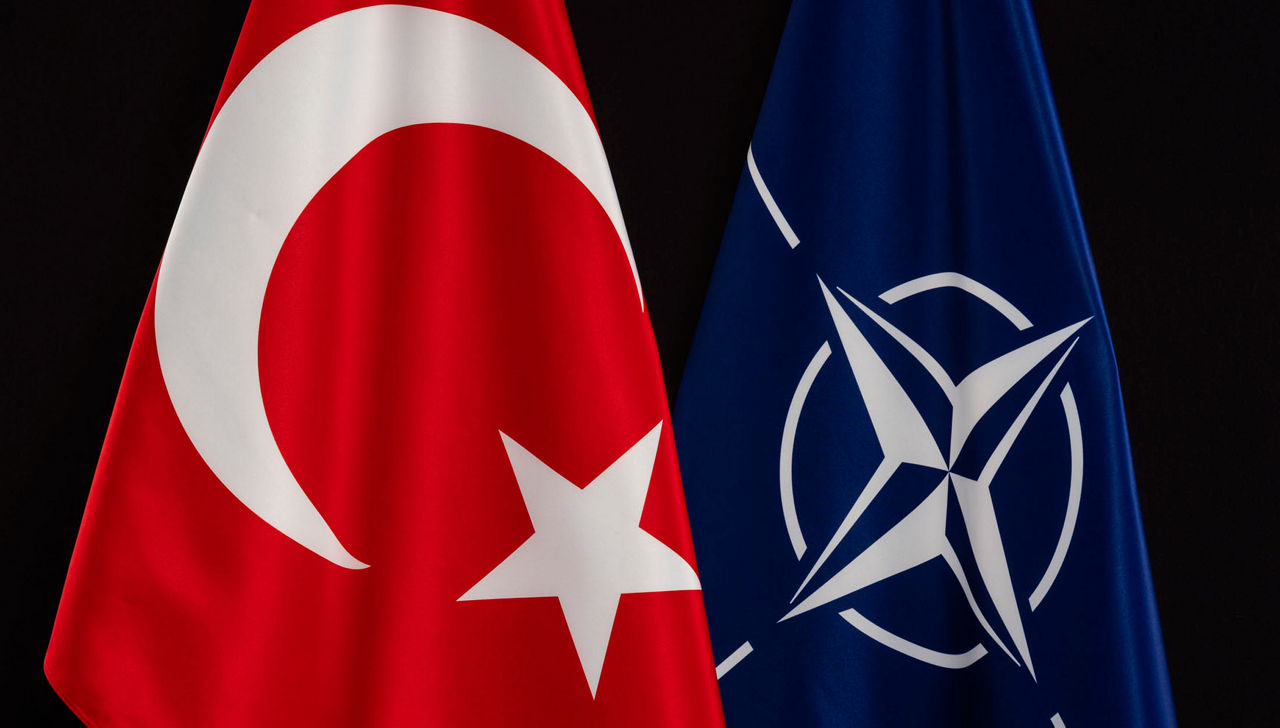
In a strategic move to bolster the alliance’s southern flank, the Turkish Defense Ministry has announced plans to establish a new multinational headquarters, NATO Multinational Corps-Turkey (MNC-TUR), in the southern province of Adana. While the initiative has gained renewed attention amid the US-Israel-Iran conflict, officials emphasize that the project is a long-standing component of NATO’s 2023 regional defense plans. By transforming the existing 6th Corps Command into a multinational structure, Ankara aims to create a permanent command-and-control hub capable of managing allied forces across the Mediterranean, the Black Sea, and North Africa.
The Strategic Role of MNC-TUR in NATO’s 360-Degree Policy
The establishment of MNC-TUR fills a critical gap in NATO’s modular defense architecture. While existing structures like the Rapid Deployable Corps in Istanbul focus on immediate crisis response, the new Adana-based corps will provide a permanent command layer for sustained regional protection.
-
Regional Coverage: Under NATO’s southern regional plan, MNC-TUR will oversee defense operations spanning from the South Caucasus to the Mediterranean.
-
Deterrence Against Near-Peer Threats: Experts, including retired Brigadier General Hüseyin Fazla, note that the corps serves as a counterweight to Russian influence and other “near-peer” threats identified in NATO’s Strategic Concept.
-
Allied Integration: The headquarters will host military officers from various NATO member states, ensuring that any conflict involving Turkey would trigger a pre-coordinated, multinational military response.
Why Adana? Leveraging Existing Infrastructure
The choice of the 6th Corps Command in Adana is a pragmatic decision based on both readiness and geography. Adana is already home to the İncirlik Air Base, which hosts U.S. and Spanish personnel, providing a foundation for inter-allied cooperation.
The selection offers several advantages for foreign direct investment in Turkey’s security infrastructure:
-
Cost Efficiency: Using an existing command structure minimizes the need for massive new capital expenditure.
-
Logistic Readiness: Adana already possesses the healthcare, housing, and educational facilities required to support international NATO staff and their families.
-
Operational History: The 6th Corps has extensive experience working with allied forces, making the transition to a multinational NATO status smoother.
NATO Multinational Corps-Turkey: A Power Projection Tool
While Ankara insists the move is independent of the current war in Iran, the timing underscores Turkey’s desire to remain an “island of stability.” By embedding more NATO command-and-control assets on its soil, Turkey is signaling to regional actors—including a more assertive Israel—that its security is deeply integrated into the Western alliance.
As Karol Wasilewski of the OSW think tank points out, this move aligns with NATO’s “360-degree policy,” ensuring the alliance is prepared to address threats from any direction. For Turkey, hosting MNC-TUR is not just about defense; it is about reinforcing its status as an indispensable regional power and a veto player in the shifting Middle Eastern security landscape.
Source: MiddleEastEye