Neo-Ottoman Vision of Turkey: Strategic Pillars Face Strain
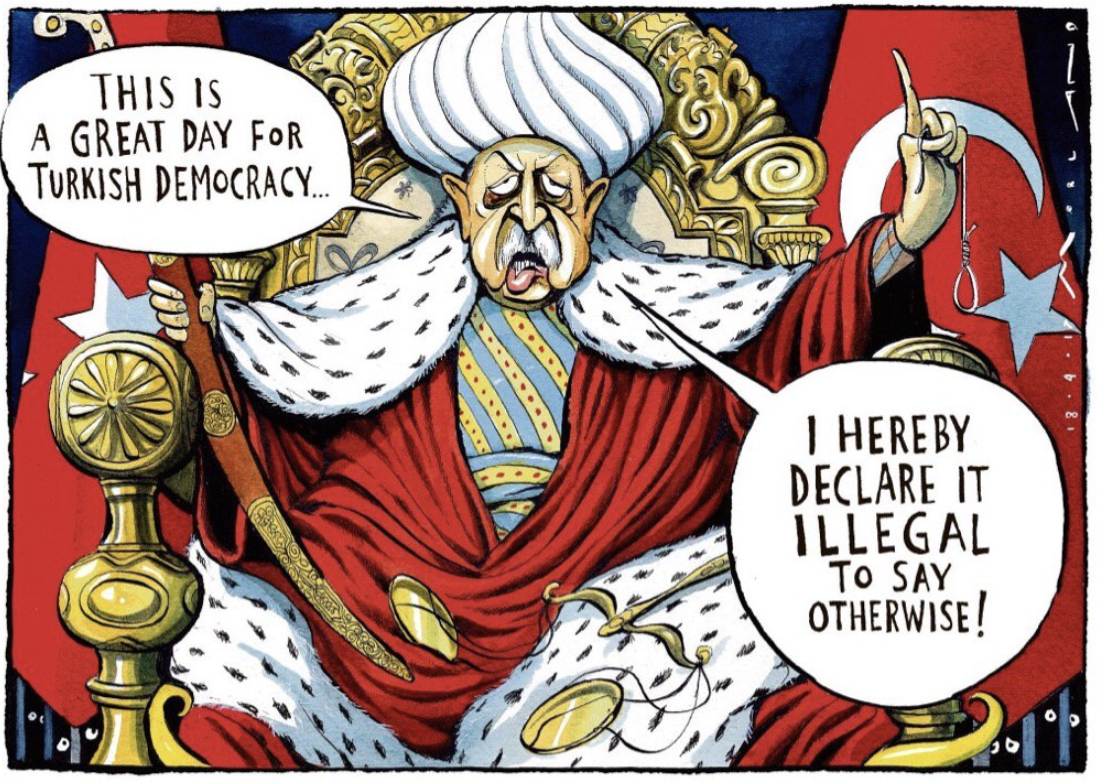 Erdogan
For over a year, President Recep Tayyip Erdoğan has projected an image of a rising “Neo-Ottoman” vision, positioning Turkey as the indomitable leader of the Muslim world. However, recent geopolitical shifts, culminating over the last 72 hours, suggest that the strategic pillars of this vision are facing a cascade of failures. From diplomatic exclusion to technological hurdles to domestic economic erosion, Ankara now finds itself navigating a landscape in which its traditional leverage is being systematically challenged.
Neo-Ottoman Vision: Five Pillars of Momentum Under Pressure
Ankara’s grand strategy was built on five perceived triumphs: the apparent suppression of the PKK, the rise of Turkish-aligned forces in Syria, energy breakthroughs in Somalia, a booming defense industry, and a direct line to the White House. Yet, the reality of 2026 has introduced sharp corrections to these narratives.
-
Diplomatic Marginalization: Despite Foreign Minister Hakan Fidan’s assertion that “nothing happens in the region without Turkey,” Ankara was reportedly excluded from the secret coordination between the U.S. and Israel regarding recent strikes in Iran. This exclusion highlights a growing irrelevance within Western decision-making axes.
-
Technological Re-evaluations: The myth of Turkish drone invincibility has met a formidable challenge in the cyber and electronic warfare capabilities demonstrated by regional rivals. Fidan’s own admission—that Turkey requires dominance in space and cyberspace to maintain superiority—signals a tactical recalibration.
-
Energy Corridor Shifts: The long-held claim that Turkey is the indispensable energy bridge between East and West is being tested by an emerging axis involving India, Greece, and Israel, which increasingly utilizes Greek ports to bypass traditional Turkish routes.
Economic Fragility and the Foreign Investment Gap
Strategic ambitions are ultimately tethered to economic reality. With inflation hovering at 31.5% in early 2026, the Turkish middle class continues to face a significant cost-of-living crisis. The withdrawal of Norway’s sovereign wealth fund from Turkish banking investments, citing regulatory and corruption concerns, underscores the difficulty Ankara faces in meeting the standards required for sustained foreign direct investment in Turkey.
The Looming Kurdish Question and Political Succession
The shifting dynamics in northern Iraq and Syria have reignited anxieties regarding Kurdish independence aspirations. For Ankara, a Western-aligned Kurdish entity represents a perceived existential threat. Simultaneously, the domestic political clock is ticking. With the 2028 elections on the horizon, the internal battle for succession is heating up. While Hakan Fidan and Selçuk Bayraktar remain popular contenders, Erdoğan’s reported efforts to position his son, Bilal, have added a layer of internal tension to the AKP’s future trajectory.
As the region moves toward a new order, Turkey faces a pivotal choice: continue the “Neo-Ottoman” solo path or adapt to a multilateral framework where it must negotiate its influence alongside a strengthening Israeli-American-Arab axis.
Related articles
S&P upgrades Turkey’s rating to ‘B+’ amid economic stabilization
ANALYSIS: Turkish inflation enters downtrend in November data
Hugo Dixon/Reuters: Strongmen are riskier the more they stay in power