S&P Warns Türkiye Among Most Vulnerable to Oil Price Shock
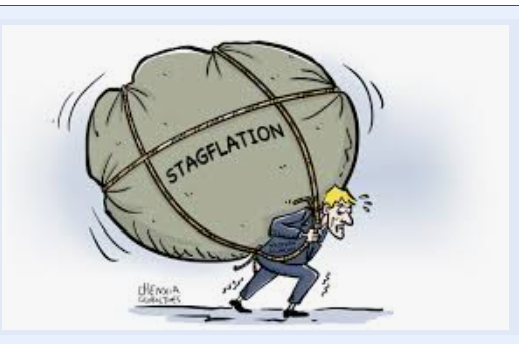 stagflation
Türkiye and several Central and Eastern European (CEE) economies could face significant pressure in the event of a sharp rise in oil prices, according to a new report by S&P Global Ratings. While the baseline outlook suggests manageable risks, a high-price scenario could expose structural vulnerabilities, particularly in energy-import-dependent economies like Türkiye.
Baseline Scenario: Risks Seen as Manageable
S&P Global Ratings’ latest assessment outlines a relatively stable baseline outlook for energy markets:
- Brent crude expected to average $80 per barrel in 2026
- Declining to around $65 per barrel in 2027
Under this scenario, the agency expects:
- Limited impact on sovereign credit ratings in the CEE region
- Manageable macroeconomic pressure across most economies
Karen Vartapetov, Credit Analyst at S&P Global Ratings, noted that the muted impact reflects both cautious pre-war assumptions and expectations that European gas prices will remain below the 2022 peak levels.
Stress Scenario: Türkiye Among the Most Exposed
The report highlights a more severe “stress scenario,” where:
- Brent crude rises to $130 in 2026
- Remains elevated at $100 in 2027
In such a scenario:
- Türkiye and Hungary emerge as the most vulnerable economies
- High energy import dependence and energy intensity amplify risks
S&P emphasizes that the extent of the damage would depend on:
- Fiscal buffers
- Monetary policy response
- External financing conditions
For Türkiye, the key vulnerabilities include:
- Persistent current account sensitivity to energy prices
- Inflation pass-through from imported energy
- Pressure on exchange rates and financial conditions
SAMEKS PMI Signals Slowdown as Turkey’s Economic Momentum Weakens before the War
Diverging Impact Across Europe
The report underscores that not all CEE economies face equal risks.
More resilient economies:
- Romania: Benefits from domestic energy production capacity
- Poland: Relies more heavily on coal in its energy mix
These structural factors help cushion the macroeconomic impact of rising oil prices.
However, even in relatively resilient countries:
- Weak growth
- Limited fiscal space
could still complicate policy responses.
Gas Prices: A Critical Wild Card
Beyond oil, S&P warns that natural gas prices could pose an even greater risk.
If:
- TTF Northwest European gas prices surge toward 2022 highs,
then:
- Economic pressure across CEE economies would intensify significantly
- Credit rating downgrade risks could become more widespread
Conclusion: Energy Dependency Remains the Key Risk
S&P’s analysis highlights a clear divide:
- Economies with diversified energy sources and domestic production are better positioned
- Countries like Türkiye, with high import dependence, remain structurally exposed
As geopolitical tensions continue to shape energy markets, Türkiye’s economic outlook will remain closely tied to:
- Oil and gas price dynamics
- Policy response effectiveness
- External financing conditions
ANALYSIS: February employment data very weak underneath the headline