17% hike in bread prices will starve the poor
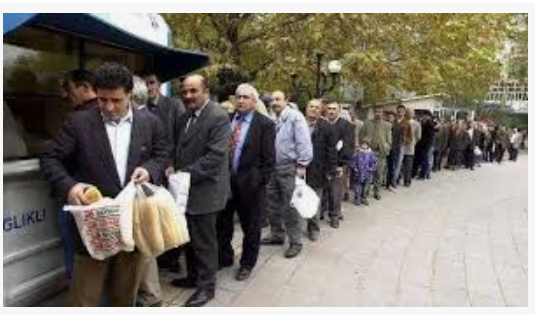 ekmek kuyruk
The Unbreakable Crust: Bread as the Lifeblood of the Turkish Poor
In the Turkish language, the word for “earning a living” is ekmek parası—literally, “bread money.” This linguistic quirk is not a mere coincidence; it is a reflection of a profound socio-economic reality. Yesterday’s 17% hike in bread prices is not just a statistical adjustment in a consumer price index; for millions of citizens, it represents a direct tightening of the belt in a country where bread is the primary, and sometimes only, barrier against hunger.
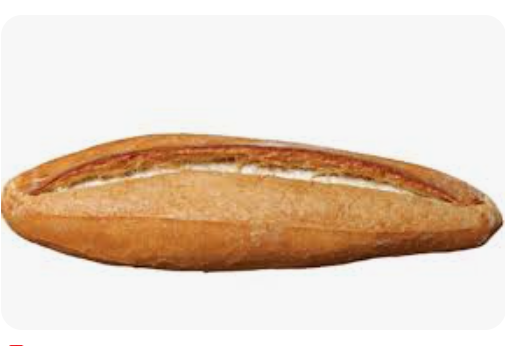
A “loaf”, this is how Turks consume bread
A Cultural Pillar and Nutritional Anchor
In Türkiye, bread is more than a side dish; it is a sacred commodity. Traditionally, if a piece of bread falls to the ground, it is kissed and placed on a high ledge out of respect. This reverence stems from its role as the ultimate sustainer. According to the National Nutrition Council, bread provides approximately 45% to 50% of the daily caloric intake for the average Turkish citizen.
For the middle class, bread accompanies a rich spread of olives, cheeses, and jams. However, as one moves down the socio-economic ladder, the “spread” vanishes, leaving only the loaf. For a family of four living on the minimum wage—which as of early 2026 sits precariously near the “hunger threshold”—bread is the filler that compensates for the absence of meat, dairy, and fresh produce. When prices of protein soar, the poor simply buy more bread to feel full.
The Anatomy of a Price Hike
The recent 17% increase follows a turbulent period of high “kitchen inflation,” which has hovered around 36-40% in the first quarter of 2026. This hike is particularly devastating because bread is an “inelastic” good for the poor. Unlike luxury items or even certain vegetables, one cannot simply stop buying bread.
When the price of a standard loaf rises, the impact is felt most acutely in the long queues at Halk Ekmek (Public Bread) kiosks—the municipality-run stalls that sell bread at subsidized rates. These lines, which have grown significantly longer in 2026, are a visual barometer of the nation’s economic health. For a laborer earning a daily wage, an extra few liras per loaf can mean the difference between a balanced dinner and a meal consisting solely of tea and dough.
Survival on the Margins
The reliance on bread creates a “carbohydrate trap.” While it provides the necessary energy to fuel a day of manual labor, a diet dominated by white bread leads to long-term health issues, including diabetes and obesity. Yet, for those living below the poverty line—now nearing 100,000 TL for a family of four—nutrition is a secondary concern to satiety.
The poor rely on bread to stretch other foods. A single can of beans or a small amount of minced meat is transformed into a meal for five by using the bread to “mop up” the juices (banmak). Without the loaf, the meal disappears. Therefore, a 17% increase is not just an added expense; it is a reduction in the volume of the only safety net these families have left.
Conclusion
As the 47-year era of “regional hospitality” and geopolitical stability shifts, as seen in the tensions over the Strait of Hormuz, the internal stability of Türkiye remains tied to the bakery. Bread is the silent stabilizer of Turkish society. To raise its price is to test the resilience of the most vulnerable. In the coming weeks, as the government addresses the nation on war and diplomacy, the most pressing “front line” for millions will remain the one at the local bakery, where the cost of survival just became 17% harder to afford.
PA Turkey newsdesk