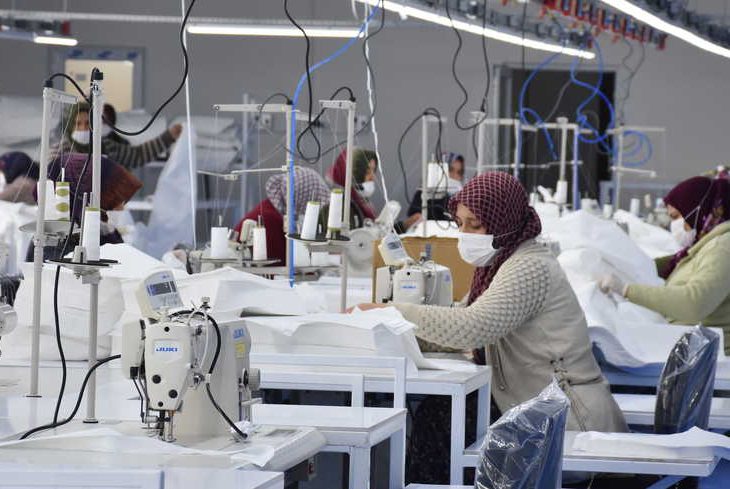
Manufacturing Sector in Turkey Face Sharpest Downturn in Months
 manufacturing-sector-in-Turkey
The structural health of the Turkish industrial complex took a significant hit in March 2026, as geopolitical instability in the Middle East exacerbated inflationary pressures and stifled market demand. According to the latest Istanbul Chamber of Industry (İSO) Turkey Manufacturing PMI report, the headline index dropped to 47.9 from February’s 49.3. This marks the lowest performance in five months and signifies a continuous two-year trend of slowing activity within the manufacturing sector in Turkey.
Middle East Conflict Disrupts the Manufacturing Sector in Turkey
Manufacturers are currently navigating a “perfect storm” of rising costs and shrinking order books. The ongoing war in the Middle East has directly impacted total new orders and export contracts, with firms citing heightened uncertainty as a primary deterrent for buyers. This lack of demand led to a reduction in production levels at the fastest rate seen since November 2025.
Beyond demand, the manufacturing sector in Turkey is struggling with severe logistical bottlenecks. Supply chain delays have reached their highest level in over a year and a half, primarily due to material shortages and transport disruptions stemming from the regional conflict. Delivery times have increased the most since August 2024, leaving factories waiting longer for essential raw materials.
Record Price Hikes and Employment Cuts
The cost of doing business has reached a boiling point. Answering the survey, participants pointed to the war-induced surge in freight, fuel, and petroleum prices as the main drivers of inflation. Such a price rise has resulted in the fastest rise in input costs in 23 months, while final product prices jumped at their fastest pace in over two years.
As a direct consequence of falling orders and skyrocketing expenses, the manufacturing sector in Turkey has begun aggressive cost-cutting measures:
-
Employment: Staffing levels were reduced at the highest rate in six months, driven by both weak demand and employee resignations.
-
Purchasing: Firms have significantly scaled back their procurement activities and inventory stocks to preserve liquidity.
-
Production: The slowdown in output has now become a persistent feature of the industry, fueled by the “toxic” combination of stagnant demand and aggressive price hikes.
The data suggest that the Turkish economy enters the second quarter of 2026 under heavy industrial strain, with the manufacturing core awaiting a de-escalation in regional tensions to restore supply chain stability and consumer confidence.
Click here for the ISO Report
Related articles

Market Outlook: Turkish Corporate Earnings Fail to Impress as Inflation and Rates Bite
Broad-Based Slowdown Signals Emerge in Turkey’s Second-Quarter Economic Activity

Industry and technology minister: Turkey top home appliances exporter in Europe in 2021