Turkey’s Contested Homefront: War Next Door, Divisions Within
 divided society
By Selim Koru
As the U.S.–Israel war with Iran enters its fourth week, the conflict is forcing Türkiye into an uncomfortable moment of self-reflection. While the country remains more cohesive than Iran, growing political polarization and the jailing of opposition figures risk weakening internal unity at a time of rising geopolitical danger.
A War That Hits Close to Home
The ongoing war in Iran is being closely watched in Türkiye—not just as a regional crisis, but as a mirror.
Many Turks are asking:
- What would happen if Türkiye faced a similar threat?
- Would the country’s political system hold under pressure?
The war has highlighted a key lesson:
👉 A government that loses public trust becomes fragile in times of crisis
The contrast between Iran and Israel offers two starkly different models.
Iran: A Regime Without Public Trust
In Iran, decades of economic hardship and political repression have eroded public support.
- Younger generations show growing hostility toward the regime
- Some even view foreign intervention as acceptable if it leads to regime change
- Disillusionment has reportedly helped foreign intelligence operations
As conflict intensifies:
👉 The regime can no longer rely on broad public backing
Even without mass uprisings, the erosion of legitimacy is evident.
Israel: Strong Internal Cohesion Despite Global Criticism
Israel, though widely criticized internationally, presents a different picture domestically:
- 93% of Jewish Israelis support the war against Iran
- Political opposition also backs government policy
- Public alignment with state strategy remains strong
This cohesion is reinforced by:
- A political system prioritizing internal unity
- Limited influence of dissenting groups
👉 The result: state and society act in sync, even under strain
Türkiye: Caught Between Cohesion and Fragmentation
Türkiye sits somewhere between these two extremes:
- More unified than Iran
- Less cohesive than Israel
However, the trend appears to be moving toward deeper division.
New Polls Reveal Turkish Public Sentiment on Iran War, NATO and Economy
Erdoğan’s Camp: Security First, Unity Through Strength
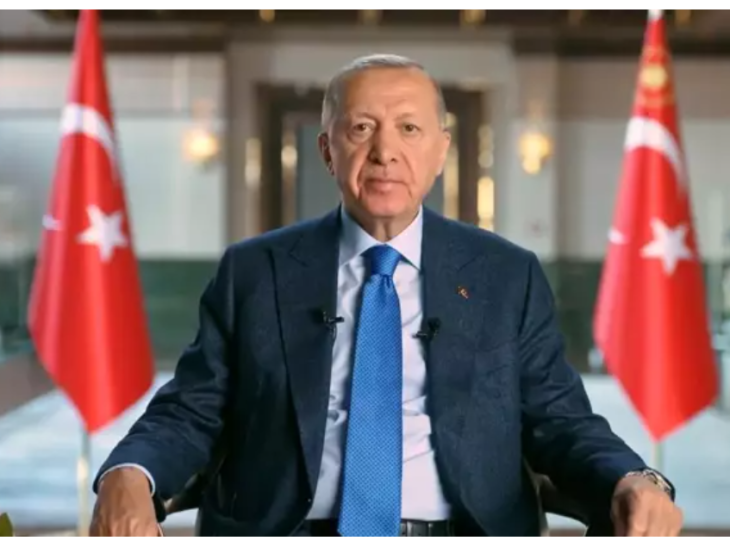
President Recep Tayyip Erdoğan and his supporters view the conflict through a security lens:
- Concern over Israel’s regional military effectiveness
- Strong rhetoric against Israel
- Emphasis on defense capabilities
State-aligned media frequently highlights:
- Missile systems and defense projects
- The development of Türkiye’s “steel dome” air defense
Beyond military strength, the government has focused on:
- Energy diversification
- Food security
These are seen as pillars of resilience in a volatile world.
The Kurdish Issue and Internal Stability
Erdoğan’s strategy for internal resilience also includes:
- Targeting the PKK domestically and across borders
- Seeking to end the conflict through the “terror-free Türkiye” initiative
The aim is to neutralize what the government sees as a structural vulnerability.
Opposition: Critical, Cautious, and Divided
Türkiye’s opposition presents a more complex response:
- Strong criticism of U.S. and Israeli military actions
- Sympathy for Iranian civilians under both war and authoritarian rule
- Rejection of foreign intervention
This perspective is shaped by their own experiences:
- Arrests of opposition figures
- Pressure on civil society
The İmamoğlu Case: A Turning Point
The arrest of Istanbul Mayor Ekrem İmamoğlu has become a defining issue.
- A leading opposition figure and potential presidential candidate
- His detention coincided with the escalation of the Iran war
Public reaction:
- Only about 25% support the arrest
- Nearly 75% view protests as legitimate
👉 A majority sees the case as unjust
Risks to Democratic Legitimacy
Türkiye’s political stability has historically relied on:
- High voter participation (around 82%)
- Belief in electoral fairness
However:
- The jailing of a major opposition candidate raises serious concerns
- It risks alienating a large segment of society
👉 This could weaken the bond between state and citizens
Türkiye Moves Ahead In Peace Process With Parliamentary Commission
A Warning from Iran’s Experience
Iran offers a cautionary example:
- Voter turnout fell sharply as trust declined
- Political outcomes became more hardline
Türkiye risks a similar trajectory if confidence in elections erodes.
A Fragile Domestic Front
CHP leader Özgür Özel recently framed the issue as one of national security:
- Argued that internal divisions weaken Türkiye
- Warned against undermining unity during external threats
The key concern:
👉 Internal political conflict may erode national resilience
Türkiye remains a deeply patriotic society, but growing polarization poses risks.
PA Turkey intends to inform Turkey watchers with diverse views and opinions. Articles in our website may not necessarily represent the view of our editorial board or count as endorsement.
Follow our English YouTube channel (REAL TURKEY):
https://www.youtube.com/channel/UCKpFJB4GFiNkhmpVZQ_d9Rg
Twitter: @AtillaEng
Facebook: Real Turkey Channel: https://www.facebook.com/realturkeychannel/***
Related articles
Erdoğan and Özel Clash Through the Press: “Are You Not Ashamed to Criticize Your Country Abroad?”
Erdogan faces mounting criticism over wildfires
Özgür Özel Dares Erdoğan to Rerun Istanbul Elections, Accuses AKP of Creating 7 Million Gambling Addicts