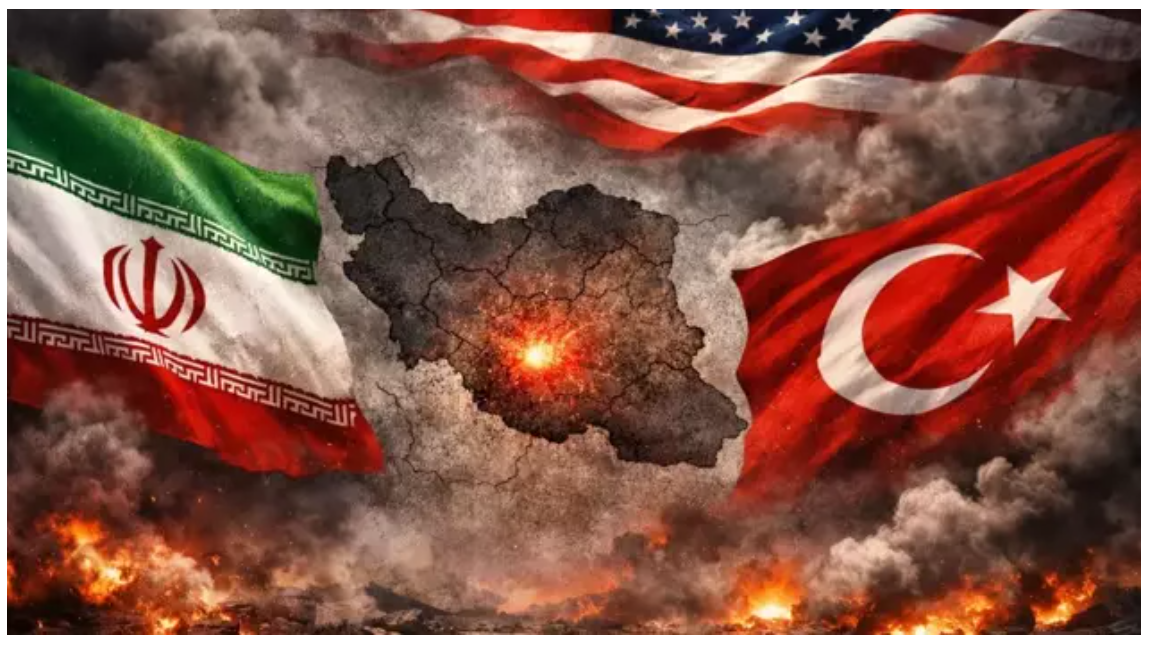
Fidan Warns of “Systemic Collapse”, Secterian Wars
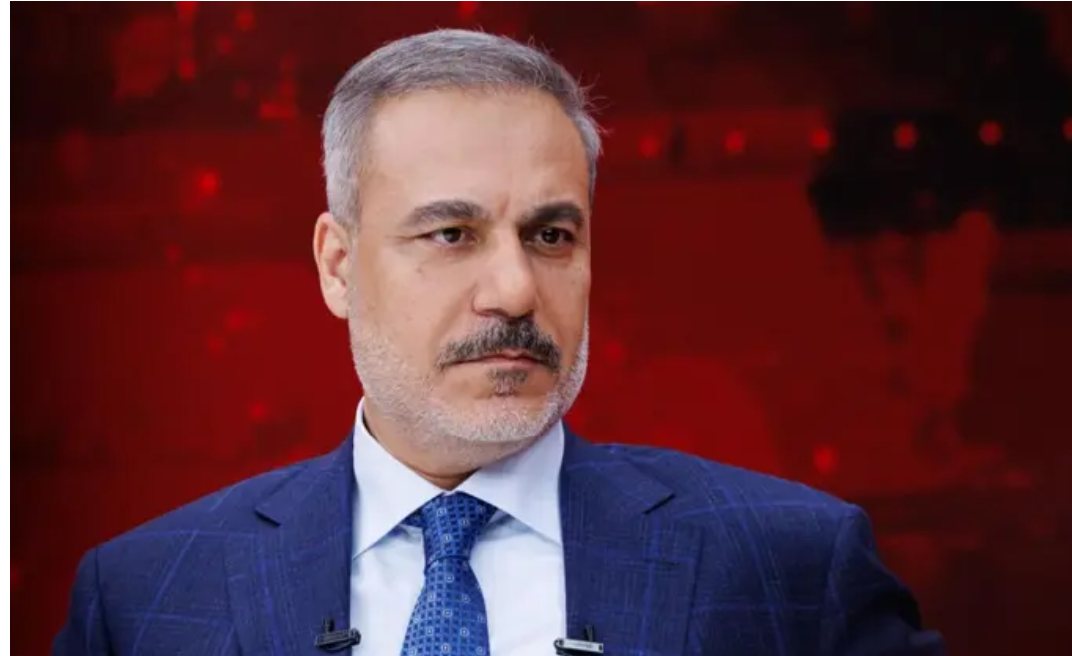 hakan fidan rte
Turkish Foreign Minister Hakan Fidan issues a stark warning at STRATCOM 2026, stating that Israel’s military escalations are pushing the world toward a larger conflict and a total collapse of the international order.
Turkish Foreign Minister Hakan Fidan delivered a grim assessment of the escalating conflict between the U.S.-Israel alliance and Iran during the second day of the International Strategic Communication Summit (STRATCOM) 2026. Speaking on March 28, Fidan warned that the international community is witnessing more than just instability; it is facing a “systematic collapse” of the global order.
“We are heading toward a larger war,” Fidan stated, emphasizing that the ongoing strikes against Iran are deepening wounds that may take generations to heal. He noted that the conflict is no longer contained, as its geopolitical and economic consequences are being felt worldwide.
Turkey Walks a Tightrope as Iran War Escalates Across Region
The “Moral Compass” of the International System
Fidan’s speech focused heavily on the structural failure of global institutions, arguing that organizations like the United Nations have lost their “moral compass.” He framed President Recep Tayyip Erdoğan’s long-standing “The World is Bigger Than Five” slogan not merely as a political catchphrase, but as a prescient diagnosis of a crisis that has now arrived at the world’s doorstep.
“Those who comfortably benefited from an unjust system are now finally seeing the consequences of the very structure they built,” Fidan remarked, adding that the “illusion” of a self-serving status quo has finally shattered.
Netanyahu’s “Political Survival” vs. Global Stability
In one of his most direct critiques, Fidan asserted that the war is being driven by the personal interests of Israeli Prime Minister Benjamin Netanyahu. According to Ankara’s analysis, the continued military expansion is a tool for Netanyahu’s “political survival,” even as the rest of the world pays the price through economic turmoil and regional insecurity.
Key points from Fidan’s address:
-
Regional Fallout: The conflict is severely impacting the Gulf region and threatening the fate of interconnected nations.
-
Expansionist Policies: Turkey stands firmly against Israel’s “expansionist” agenda, particularly as it begins to target Lebanon more operationally.
-
Diplomatic Necessity: Fidan called for an immediate return to result-oriented negotiations, warning that diplomacy is at its “most dangerous stage” when mediators and diplomats themselves come under attack.
The Sectarian Risk: A New “Designed Chaos”
While Fidan focused on the diplomatic and structural collapse, prominent analysts in Ankara are pointing to a darker underlying threat: the reignition of sectarian conflict.
The U.S.-Israel alliance’s campaign has reportedly adopted a rhetoric heavily laden with religious references, reminiscent of the post-9/11 “crusade” language used by the Bush administration. Observers warn that this “ideological infrastructure” is designed to permanently divide the Islamic world along Sunni-Shia lines.
President Erdoğan has pushed back against this narrative, emphasizing a policy of “Anatolian Wisdom.” In recent statements, Erdoğan has reiterated:
“We do not look at the brotherly people of Iran as Shia or Sunni; we look at them only as humans. Our only religion is Islam.”
Trump Praises Türkiye for Staying Out of Iran War as Ankara Steps Up Diplomacy
Analysis: Iran at a Crossroads
As the war reaches a critical juncture, Turkish officials are calling for a “period of reckoning” within Tehran. Critics argue that while the U.S. and Israel bear responsibility for the aggression, Iran must reflect on how it has been managed over the last 47 years. The concern in Ankara is that the current “designed chaos” aims to leave the entire region divided, weakened, and vulnerable.
Fidan concluded his remarks with a call for “clarity and common sense,” stating that Turkey will mobilize every diplomatic tool available to prevent the conflict from inflicting “irreversible damage” on the global economy and the hearts of the people in the region.
Related articles
Fidan Warns SDG Over Delays in March 10 Agreement, Signals Possible Joint Turkish–Syrian Action
Atlantic Council Warns: Any Peace Deal That Strengthens Russia Is a Direct Security Threat to Turkey
Turkey Signals Readiness to Support Syria After Deadly Aleppo Clashes