New Oil Reality: “The $70 Era Is Over,” Warns Mehmet Öğütçü
 mehmet ogutcu
Energy expert Mehmet Öğütçü argues the world is no longer facing a conventional energy crisis but a systemic rupture. Disruptions in the Strait of Hormuz signal a new era where energy flows—not just prices—are at risk. In this environment, permanently higher oil prices, extreme volatility, and the weaponization of energy are reshaping the global order.
Not a Typical Crisis, But a Structural Break
According to Öğütçü, current developments go far beyond past oil shocks.
- This is not a cyclical fluctuation
- Not a temporary geopolitical shock
- But a systemic transformation of the global energy system
He warns that the current crisis could surpass even the combined impact of the 1973 and 1979 oil shocks, as the core issue is no longer price—but whether energy can flow at all.
Strait of Hormuz: A Critical Artery Under Strain
At the center of the crisis lies the Strait of Hormuz, one of the world’s most strategic energy chokepoints.
Under normal conditions:
- Around 20 million barrels per day pass through the strait
- This accounts for roughly 20% of global oil supply
Today:
- Gulf oil exports have reportedly fallen by more than 60%
- Flows have dropped to around 6–7 million barrels per day
This represents not just a supply disruption, but a breakdown in the global energy circulation system.
The crisis extends beyond oil:
- Qatar’s LNG exports, which make up nearly 25% of global supply, also pass through Hormuz
- Energy infrastructure itself is increasingly becoming a direct target
Layered Crises Amplify the Shock
The current disruption is not occurring in isolation. The global energy system was already under strain:
- The Russia-Ukraine war removed significant gas supply from Europe
- Sanctions on Russian oil tightened global markets
- Venezuela’s production remains constrained
The Hormuz disruption has effectively become the breaking point of accumulated shocks.
A New Price Regime for Oil
Oil prices have surged past $100, with levels above $120 already tested.
But Öğütçü emphasizes that the key shift is structural:
- The $70 oil era is over
- $80–$100 per barrel is the new baseline
- In a prolonged crisis, $120–$150 could become persistent
More importantly, volatility—not just price levels—is becoming permanent.
Energy Warfare: A New Conflict Model
The nature of conflict is also changing.
Rather than traditional battlefield wars, the current model targets energy systems directly:
- Oil and gas production fields
- LNG terminals
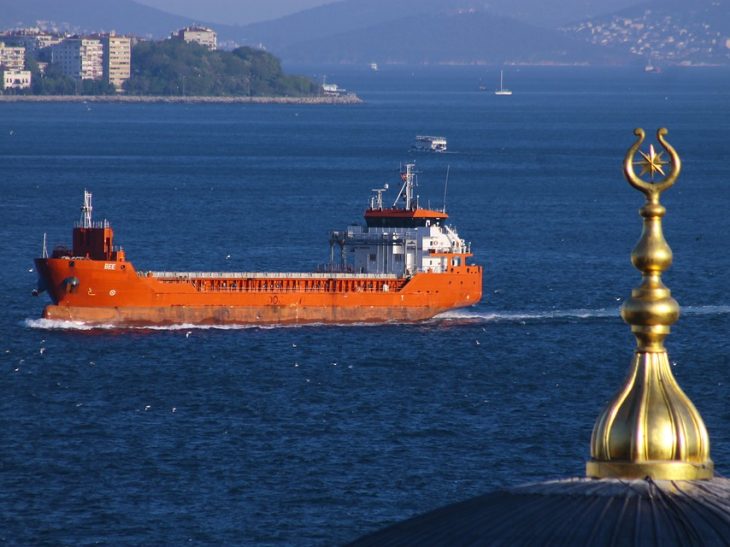
- Pipelines and tanker routes
- Refineries and infrastructure
Estimates suggest global supply losses of 8–11 million barrels per day.
Alternative routes exist, but:
- Their capacity is limited
- They cannot fully replace Hormuz
Ripple Effects: Beyond Energy
The crisis is rapidly spreading beyond oil markets.
Affected sectors include:
- LNG and natural gas
- Petrochemicals and fertilizers
- Food production
- Water infrastructure
This creates a broader energy–food–water security crisis with global implications.
Energy as a Geopolitical Weapon
One of the clearest takeaways from the crisis is that energy is no longer just an economic commodity.
It has become a strategic geopolitical weapon.
Key dynamics include:
- Control over energy flows as a source of power
- Strategic chokepoints like Hormuz and Malacca gaining prominence
- Energy dependency increasing geopolitical vulnerability
Next Frontline: Asia-Pacific
While Hormuz dominates current headlines, Öğütçü expects the next major energy battleground to emerge in Asia-Pacific.
The region’s vulnerability is driven by:
- China: the world’s largest energy importer
- India: rapidly rising demand
- Japan and South Korea: near-total dependence on imports
These economies are highly exposed to disruptions in global energy flows.
Türkiye’s Narrow but Critical Room for Maneuver
For Türkiye, the crisis presents significant risks—but also strategic choices.
Key priorities include:
1. Staying out of the conflict
Maintaining diplomatic balance is essential.
2. Building economic buffers
- Managing energy costs
- Adjusting tax and demand policies
3. Strengthening energy security
- Diversifying supply sources
- Expanding storage capacity
- Investing in alternative routes
Türkiye’s success will depend on how effectively it manages the crisis rather than avoids it.
A New Global Order Is Emerging
The current turmoil is not temporary.
It signals:
- A long-term restructuring of energy systems
- Deepening geopolitical fractures
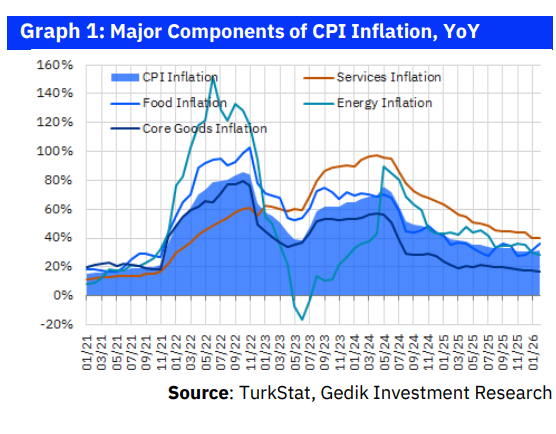
- Persistent economic and inflationary pressures
As Öğütçü concludes, the world has entered an era not of energy competition—but of energy wars.
And the defining question going forward may be:
In a world where energy no longer flows freely, who controls power?