Turkey Braces for Sharp Rise in Loan Rates on Monday
 faiz2
faiz2
Rising geopolitical tensions in the Middle East and surging oil prices are reshaping monetary policy expectations in Turkey. Banks are preparing to raise commercial loan rates by as much as 5–6 percentage points, potentially pushing borrowing costs toward 50%, as inflation risks mount and expectations of rate cuts disappear.
Oil Shock Reshapes Policy Outlook
The escalation of conflict involving the U.S., Israel, and Iran has triggered a sharp spike in oil prices, with Brent crude holding above $100 amid disruptions in the Strait of Hormuz.
This development has:
- Intensified global inflation concerns
- Shifted central banks toward tighter policy stances
- Forced markets to reassess interest rate trajectories
In Turkey, the impact has been immediate and significant.
Banks Prepare for Aggressive Rate Hikes
According to banking sector sources, Turkish lenders are set to reopen commercial lending channels starting Monday, March 30, after a period of credit tightening.
However, the reopening will come at a steep cost:
- Commercial loan rates expected to rise by 5–6 percentage points
- Rates likely to approach 50% levels
- Spillover into consumer loan rates anticipated
The move marks a new phase in Turkey’s tightening financial conditions.
Central Bank Tightens Through the Back Door
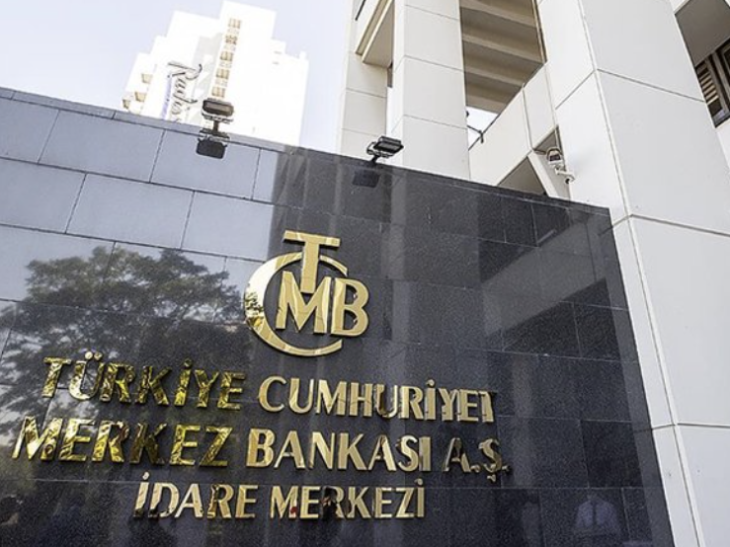
While the Central Bank of the Republic of Türkiye (CBRT) has kept its policy rate unchanged at 37%, effective funding costs have risen significantly.
- Funding via the upper interest corridor has pushed effective rates to 40–41%
- The central bank has signaled readiness for further tightening if inflation worsens
As a result, expectations for a rate cut in April have effectively vanished.
Core Objective: Containing Dollarization
Banking officials indicate that the primary goal behind rising loan rates is to curb demand for foreign currency.
Key concerns include:
- Excess lira liquidity flowing into FX markets
- Pressure on foreign exchange reserves
- Currency depreciation feeding into inflation
By tightening credit conditions, policymakers aim to limit the conversion of lira into foreign currency and stabilize the exchange rate.
“An Inevitable Adjustment”
A senior banking executive described the situation as unavoidable:
“Funding costs have increased. You cannot sell at a loss what you borrow at a higher cost. The natural outcome is higher interest rates.”
Gedik Investment: Sharp Reserve Losses and Rising Dollarization Pressures
April Rate Decision: Hike Risk Back on the Table
The CBRT’s next Monetary Policy Committee meeting on April 22 will be closely watched.
Market baseline:
- Policy rate expected to remain at 37%
But upside risks are rising:
- Goldman Sachs: sees potential for a 300 basis-point hike
- Citigroup: flags rate increase as a real possibility
- Deutsche Bank: rules out any rate cuts in April
Inflation Outlook Deteriorates
Deutsche Bank has revised its forecasts:
- 2026 year-end inflation raised from 25% to 27.5%
- Policy rate expectations also adjusted higher
This reflects mounting pressure from:
- Energy prices
- Services inflation
- Currency dynamics
What If Tensions Ease?
Bankers suggest that a de-escalation in geopolitical tensions could reverse some of the tightening.
If:
- Oil prices decline
- The Iran-U.S. conflict subsides
Then:
- Credit conditions may gradually ease
However, under current conditions, such a scenario appears unlikely in the near term.
Bottom Line
Turkey is entering a new phase of tighter financial conditions, with sharply rising loan rates poised to hit both businesses and consumers.
The combination of:
- Elevated oil prices
- Rising inflation risks
- Currency pressures
is forcing policymakers and banks alike into defensive positioning.
Going forward, the trajectory of interest rates will hinge heavily on geopolitical developments and energy market dynamics.
Related articles
The Great Pivot: How Mehmet Şimşek is Preparing Turkey for a High-Stakes Election Economy
ANALYSIS: Turkish Inflation Climbs, Geopolitical Risks Force CBRT to Reconsider Rate Cuts
Turkey’s Market Expectations Shift in January as Inflation and Interest Rate Forecasts Ease