Food Prices Continue to Surge in March, before Supply Shocks Hit the Farm
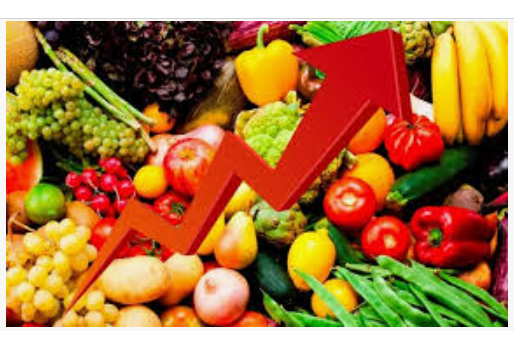 gıda enflasyonu
Food prices in Türkiye remained elevated in March, with monthly inflation reaching 2.9% according to TEPAV data. While there are early signs of a slowdown, structural issues in agriculture, persistent cost pressures, and demand dynamics continue to keep food inflation high, underscoring deeper economic imbalances.
Food Inflation Near 3% in March
Data from the Economic Policy Research Foundation of Türkiye (TEPAV) show that food prices rose by 2.9% in March (1–25 period).
- Annual food inflation: 33.4%
- Indicates a moderation trend, but still at elevated levels
Other official data for the same period have yet to be released.
Mixed Price Movements Across Food Categories
Price developments varied significantly across products.
Falling Prices
- Zucchini
- Cucumbers
- Kiwi
Rising Prices
- Green beans
- Eggplant
- Cauliflower
Outside fresh produce, the strongest increases were recorded in:
- Mayonnaise
- Breakfast cereals
- Chicken meat
Meanwhile, prices declined for:
- Bonito fish
- Other fish varieties
- Walnuts
Structural Drivers Keep Food Inflation Elevated
Despite some monthly easing, economists point to deeper structural factors that continue to push food prices higher.
Two sectors stand out as persistent inflation drivers:
- Food
- Services
Both are relatively resistant to traditional monetary policy tools and reflect long-standing policy gaps.
“K-Type Inflation” and Demand Imbalance
Former Economy Minister Ufuk Söylemez argues that Türkiye is facing a unique inflation dynamic alongside a prolonged economic slowdown.
He describes the situation as a combination of:
- “L-type crisis” (long-term stagnation)
- “K-type inflation”, where high-income groups sustain demand
In this environment, consumption remains strong among wealthier households, preventing inflation from easing despite tighter policies.
Agriculture: The Core of the Problem
Analysts emphasize that food inflation in Türkiye is no longer driven primarily by:
- Seasonal effects
- Weather conditions
- Global price movements
Instead, it reflects structural weaknesses in agriculture.
Key Challenges:
1. Fragmented Production Structure
- Average farm size: 6–7 hectares
- Much smaller than EU and US standards
- Leads to inefficiencies and higher costs
2. Rising Input Costs
- Fuel, fertilizer, and feed prices tied to foreign exchange
- Farmers face unpredictable and rising expenses
3. Import Dependency
- Reliance on imported feed and livestock
- Weakens domestic production instead of stabilizing prices
4. Outdated Supply Chain
- Weak cold-chain infrastructure
- Multiple intermediaries between farm and consumer
- Significant price increases occur within the distribution chain
Inflation Not Temporary, but Structural
Economists argue that Türkiye’s food inflation problem is:
- Domestic in origin
- Structural rather than cyclical
Price dynamics are influenced by:
- Exchange rate volatility
- Production costs
- Policy uncertainty
rather than short-term shocks alone.
KKTC Data Also Shows Moderation Trend
In Northern Cyprus (KKTC), food inflation for the same period was calculated at:
- 2.08% monthly
This suggests a slight easing after two months of elevated price increases.
Outlook: Persistent Pressure Ahead
While March data indicate a modest slowdown, the broader outlook remains challenging.
Food inflation is expected to stay elevated due to:
- Weak agricultural productivity
- High input costs
- Strong domestic demand
- Structural policy gaps
Without reforms in agriculture and supply chains, analysts warn that food prices will remain a key driver of inflation in Türkiye.
Related articles

Turkey’s Food Inflation Crisis Deepens as Wages Fall Further Behind
Turkey’s Food Inflation Hits Two-Year High in February: TEGE Rises 6.74%

Turks Cross Into Greece for Cheaper Groceries as Prices Soar at Home