Turkey’s Idle Labor Rate Surge: The ‘Unemployment Paradox’
 unemployment
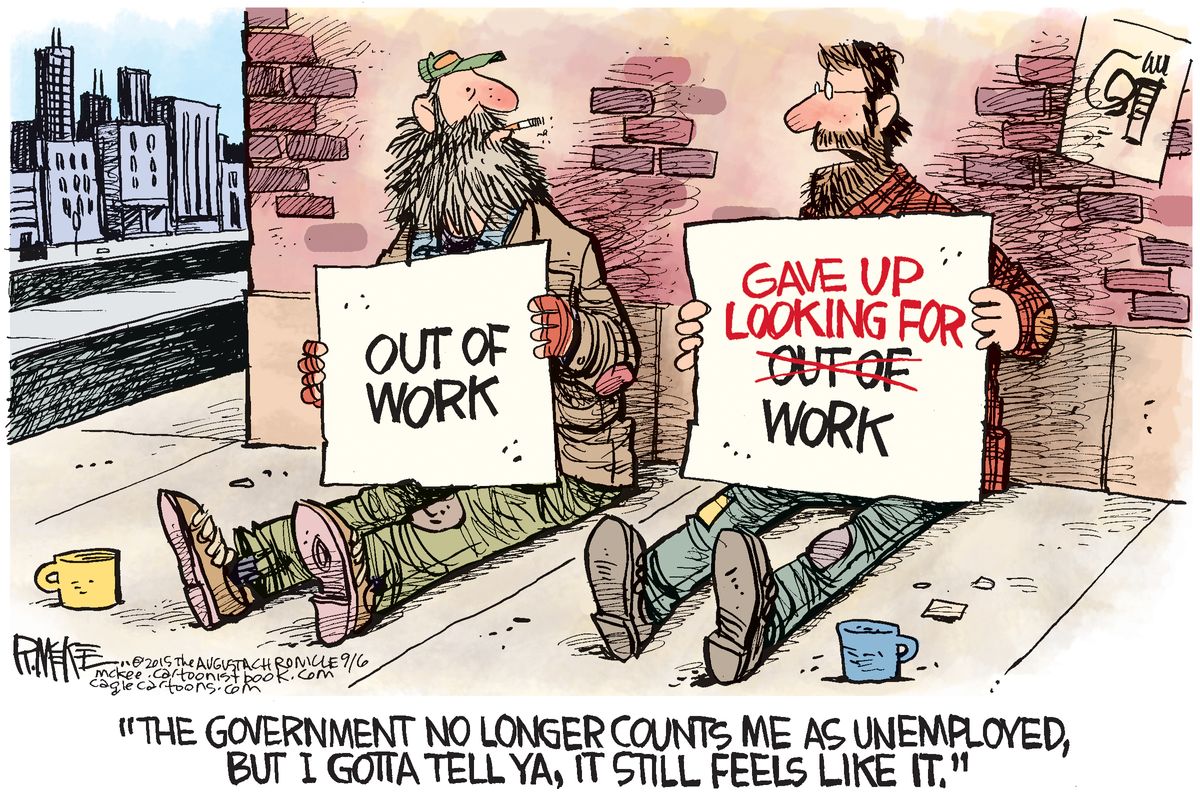
The Turkish Statistical Institute (TÜİK) released its 2025 Household Labor Force Survey on March 25, 2026, presenting a deeply contradictory picture of the national economy. While the official (narrowly defined) unemployment rate dropped to 8.3%, the lowest level in 21 years, the “composite measure of labor underutilization,” or Turkey’s Idle Labor Rate, surged by 3 percentage points to a record-breaking 29.7%.
The Global Comparison: Falling Behind Greece and Spain
Assoc. Prof. Dr. Cem Oyvat from the University of Greenwich provided a scathing analysis of the data, noting that Turkey has now dropped to the 20th worst country in the world for idle labor among 137 nations analyzed by the International Labour Organization (ILO).
“To provide context,” Oyvat stated, “Greece, which struggled with unemployment for years, had an idle labor rate of 15.0% in 2024. Spain stood at 18.6%. Turkey’s newly announced 2025 figure of 29.7% is nearly double these levels.”
Turkey’s Idle Labor Rate: What is Driving the Crisis?
The surge in underutilization is not coming from people who have stopped looking for work, but from those trapped in “Time-Related Underemployment.” This category refers to individuals working fewer than 40 hours a week who are willing and able to work more but cannot find full-time positions.
The Rise of “Forced” Part-Time Work
Between 2019 and 2025, this specific group added 8.8 percentage points to the idle labor rate. The data suggest that flexible or part-time work has shifted from a lifestyle choice to an economic trap:
-
Part-Time Prevalence: The percentage of people working 1–39 hours a week rose from 22% in 2023 to 28.9% in 2025.
-
The Satisfaction Gap: In 2019, only 10% of part-time workers said they wanted more hours. By 2025, that number skyrocketed to 42.5%.
Expert Analysis: The Cost-of-Living Trap
Dr. Oyvat’s analysis reveals that the drop in narrowly defined unemployment is a “mirage” caused by the cost-of-living crisis. Millions of citizens are so desperate for income that they are accepting low-wage, part-time, or seasonal roles just to survive.
Because these individuals are technically “employed” for at least one hour a week, they disappear from the official unemployment count, creating the illusion of a healthy labor market. In reality, they remain in a state of financial precarity, unable to secure enough hours to cover basic needs like rent and food, which, as reported earlier this week, are facing inflationary pressure.
The full report: TUIK