



Religious Education Expansion in Türkiye Sparks Debate Over Secularism
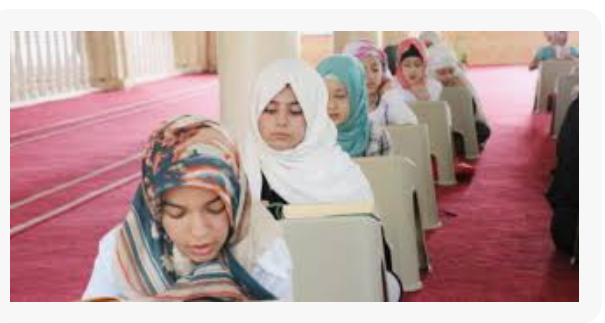 kuran kursu
A rapid expansion of religious education programs in Türkiye, led by the Presidency of Religious Affairs (Diyanet) in coordination with the Ministry of Education, is fueling a growing debate over the role of religion in public schooling. While the government defends the initiatives as voluntary and culturally aligned, critics argue they undermine secular education and risk deepening social divisions.
Diyanet expands reach into early education
Türkiye’s Directorate of Religious Affairs (Diyanet) has significantly expanded its presence in early childhood education in recent years.
- Quran courses for ages 4–6 have risen from 554 in 2015 to over 6,000 in 2026
- Programs targeting children aged 7–10 have surged from 670 in 2023 to 4,685 in 2026
Enrollment has also grown rapidly, with nearly 100,000 students now attending courses for the 7–10 age group.
These developments reflect a broader policy shift toward integrating religious education more deeply into the national education system.
Critics warn of “de facto monopoly” in preschool education
Observers note that the expansion of Diyanet-run programs has outpaced the growth of state-run preschool education under the Ministry of Education.
This imbalance has led to criticism that early childhood education is increasingly being shaped by religious institutions rather than public schooling frameworks.
Critics argue that this trend risks sidelining secular, science-based education at a formative stage.
New curriculum targets younger age groups
A formal curriculum for Quran courses targeting children aged 7–10 was introduced in 2022, accelerating the rollout of new programs nationwide.
Thousands of new courses have since been opened each year, signaling a deliberate effort to expand religious instruction beyond preschool levels.
Ramadan directive triggers legal challenge
The debate intensified following a directive from the Ministry of Education mandating religious-themed activities during Ramadan across all school levels, from preschool to high school.
The Student Parent Association (Veli-Der) filed a legal complaint, arguing that the directive violates principles of secular and inclusive education.
Concerns over equality and social pressure
Critics say the policy risks:
- Blurring the line between public education and religious practice
- Creating pressure on students to participate in religious activities
- Increasing the potential for exclusion or peer pressure among students of different beliefs
They argue that schools should remain neutral spaces that accommodate diverse religious and non-religious backgrounds.
Government defends policy as voluntary
President Recep Tayyip Erdoğan has strongly defended the initiatives, stating that they are consistent with constitutional rights and based on voluntary participation.
He argued that enabling children to learn religious practices reflects societal values and does not contradict legal principles.
Erdoğan also criticized opponents, accusing them of misusing the concept of secularism to oppose culturally rooted practices.
Broader debate over education and identity
The controversy highlights a deeper debate over the role of education in shaping society.
Supporters of the current approach view religious education as an essential component of cultural and moral development.
Opponents, however, see it as part of a broader shift toward the “religionization” of public institutions, potentially undermining the secular foundations of the education system.