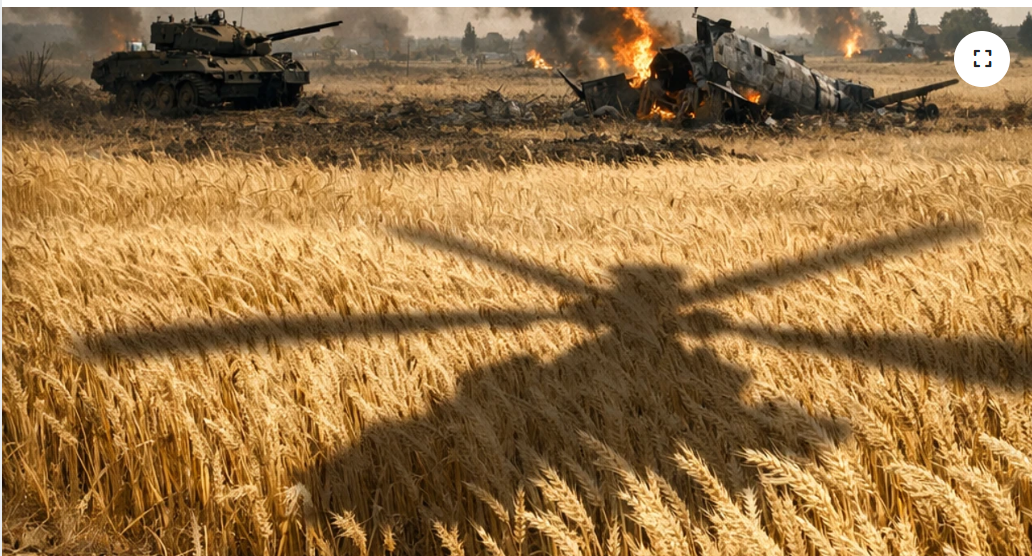
COMMENTARY: Iran War Escalates Into Global Shock as Türkiye Faces Economic and Strategic Risks
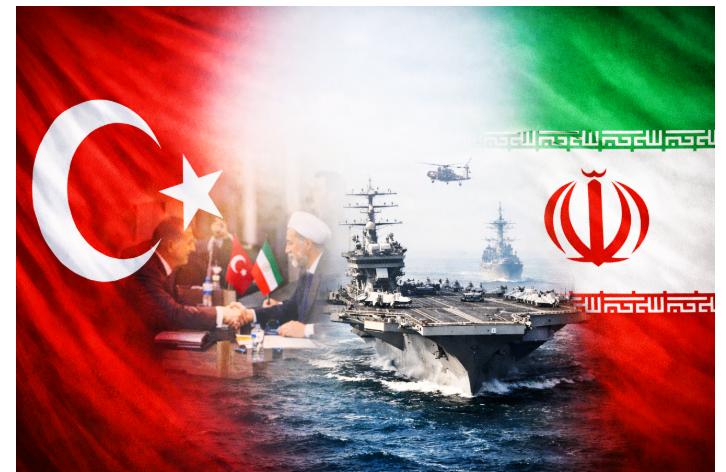 tr iran savas2
The ongoing Iran war is evolving into a multi-layered global crisis, impacting energy markets, geopolitical balances, and fragile economies like Türkiye. Despite early expectations of a quick outcome, the conflict has entered its fourth week with no clear resolution. Rising oil and gas prices, expanding military fronts, and shifting alliances are increasing global risks, while Türkiye finds itself navigating a delicate balance between diplomacy and security exposure.
War drags on, defying early expectations
U.S. President Donald Trump initially claimed Iran could be subdued within days. However, the conflict has now entered its fourth week, revealing both Iran’s preparedness and its ability to prolong and regionalize the war.
Despite years of sanctions, Iran appears to have developed sufficient defensive capabilities and strategic depth to resist rapid collapse.
Energy shock pushes global economy toward crisis
The war’s most immediate global impact has been on energy markets.
- Oil prices are fluctuating between $110 and $120 per barrel
- Natural gas prices have nearly doubled
These developments are pushing the global economy toward a potential crisis scenario, with inflationary pressures intensifying worldwide.
If the conflict continues along its current trajectory, analysts warn that conditions could deteriorate further.
The Strait of Hormuz Blockade Threatens Turkey’s Food Security
Regime change expectations fall short
U.S. and Israeli planners reportedly expected that sustained strikes on Iran’s leadership and infrastructure would trigger internal divisions and popular uprisings.
So far, these expectations have not materialized.
There are no signs of regime fragmentation or widespread domestic unrest capable of destabilizing the Iranian government.
Trump under pressure, seeks new strategy
Trump has faced growing criticism for entering the war under Israeli influence and without a clear long-term strategy.
A significant development came with the resignation of Joe Kent, Director of the U.S. National Counterterrorism Center, who reportedly cited pressure from Israel and its lobbying networks as a factor behind the war decision.
Amid mounting political pressure, Trump is now seeking to shift the war’s trajectory by:
- Exploring new military strategies
- Attempting to build an international coalition
- Expanding operational options
U.S. pushes allies for broader involvement
Washington is reportedly pursuing multiple avenues to widen the conflict framework:
- Encouraging regional forces, including Syria and potentially Lebanon, to act against Hezbollah
- Seeking access to air bases in allied countries, including Türkiye
- Calling for NATO and other partners to secure the Strait of Hormuz
These efforts are backed by intensive diplomatic pressure, though support remains limited.
Alliance tensions complicate U.S. strategy
Trump’s approach has been undermined by strained relations with allies.
- NATO members were not fully briefed prior to the war
- Subsequent calls for support have been met with hesitation
- Trump has publicly criticized allies for their reluctance
This has weakened the prospects of forming a unified international response.
Conflict expands across the region
The war is no longer confined to Iran and Israel.
- Gulf countries have come under direct attack
- لبنان has been drawn in through Hezbollah involvement
- Syria has faced Israeli strikes despite attempting neutrality
The scale of regional spillover has increased significantly, raising the risk of a broader Middle Eastern conflict.
Türkiye faces rising economic and security risks
Türkiye’s already fragile economy is being further strained by the war.
Key concerns include:
- Rising energy costs feeding inflation
- Increased logistics and production expenses
- Pressure on macroeconomic balances
Strategically, Türkiye also faces heightened security risks due to the presence of:
- Kürecik radar base
- İncirlik air base
These installations could make Türkiye a potential target in an expanded conflict scenario.
Delicate diplomatic balancing act
Türkiye is attempting to maintain a careful political balance.
- President Erdoğan has blamed Israel for the conflict
- Foreign Minister Hakan Fidan signed statements criticizing Iran’s attacks without directly targeting the U.S. or Israel
This dual-track approach reflects Ankara’s effort to:
- Avoid direct confrontation with Washington
- Preserve recent improvements in U.S.-Türkiye relations
Kurdish dynamics could reshape regional balance
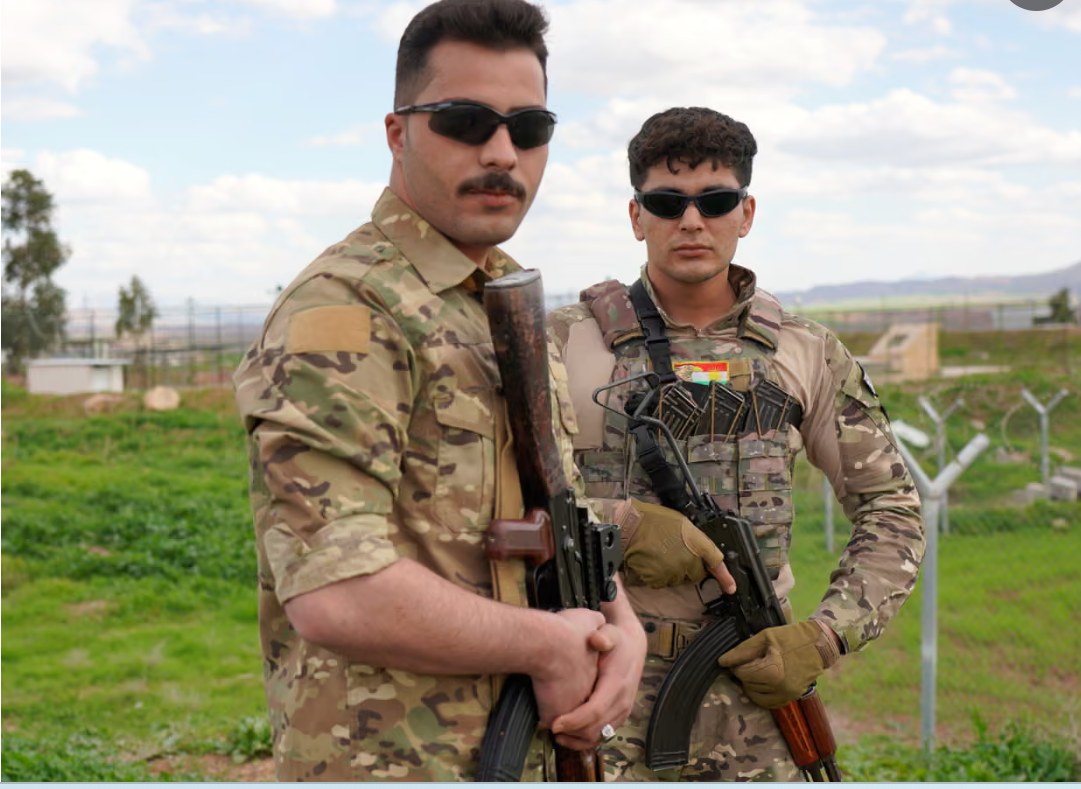
One potential escalation scenario involves the inclusion of Kurdish groups in Iran.
Such a development could have broader implications:
- Affecting fragile arrangements in Syria
- Influencing Türkiye’s internal political process
This adds another layer of complexity to the conflict.
Israel’s strategy draws global scrutiny
Israel’s actions are increasingly viewed as part of a broader strategy to reshape the Middle East according to its security priorities.
Prime Minister Benjamin Netanyahu has pushed for continued military operations, arguing that the war should not end until Iran is decisively weakened.
However, critics argue that Israel’s aggressive approach risks:
- Escalating regional instability
- Straining even its closest alliances
- Fueling global anti-Israel sentiment
Global ripple effects deepen
The war is producing wider geopolitical consequences:
- Russia benefits from Western distraction and economic strain
- Gulf economies face unprecedented physical and financial damage
- Energy supply disruptions are reshaping global trade flows
Meanwhile, Europe and other economies are increasingly exposed to energy shocks and inflation pressures.
Outlook: U.S. decision will be decisive
Ultimately, the trajectory of the war will depend largely on U.S. decisions.
Israel has signaled that it cannot achieve its objectives without continued American support.
Whether Washington escalates further or seeks de-escalation will determine:
- The duration of the conflict
- The scale of economic damage
- The stability of the broader region
Conclusion
The Iran war is rapidly evolving into a defining geopolitical and economic crisis.
For Türkiye, the stakes are particularly high — combining economic vulnerability, strategic exposure, and diplomatic complexity.
As the conflict continues, the risk is not just escalation, but a forced strategic choice that Ankara has so far managed to avoid.
By Ömer Onhon, T24, excerpt
PA Turkey intends to inform Turkey watchers with diverse views and opinions. Articles in our website may not necessarily represent the view of our editorial board or count as endorsement.
Follow our English YouTube channel (REAL TURKEY):
https://www.youtube.com/channel/UCKpFJB4GFiNkhmpVZQ_d9Rg
Twitter: @AtillaEng
Facebook: Real Turkey Channel: https://www.facebook.com/realturkeychannel/
Related articles
Erdal Saglam: Iran Crisis May Strike a New Blow to Turkey’s Fragile Economic Recovery
Iran War: The Kurdish Puzzle — Will They Turn Against Tehran?

Portfolio Strategy Heading Into 2026: Commodities First, Bonds Second, Equities Selective