



Iran Begins “Ghost” Mining of the Strait of Hormuz
 HOURMUZS
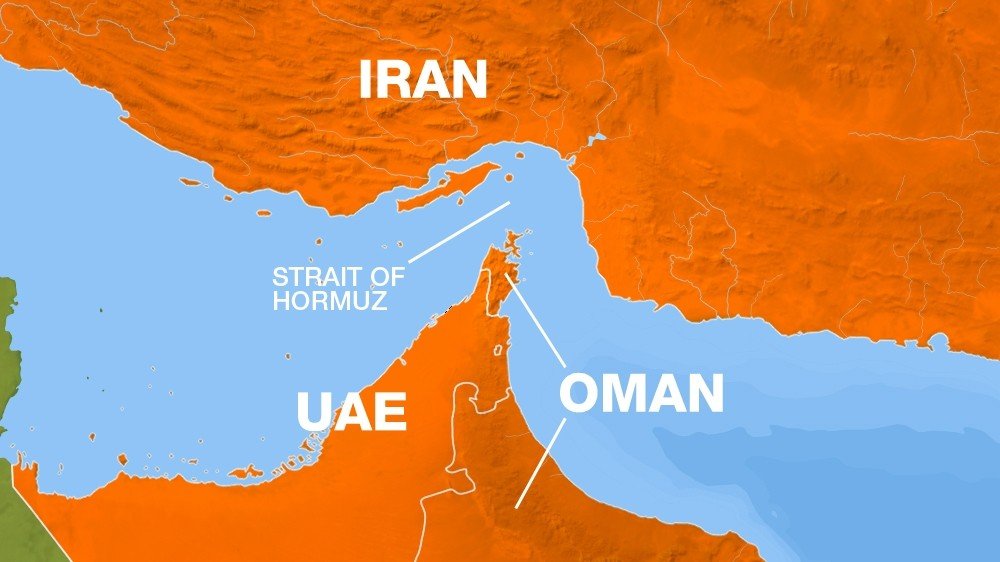
Just as global markets began to breathe a sigh of relief with oil prices retreating to $84, a chilling intelligence leak from Washington has sent shockwaves through the world economy. According to CBS News, citing U.S. security sources on the night of March 10, 2026, Iran has commenced operational steps to lay naval mines in the Strait of Hormuz—the world’s most critical oil transit chokepoint.
The “Ghost” Mining Tactic: Asymmetric Warfare at Sea
The intelligence report, authored by CBS correspondent Jim LaPorta, reveals a sophisticated and elusive strategy employed by Tehran. Instead of using large, detectable minelayers or warships, Iran is reportedly utilizing small, high-speed crafts.
-
Radar Invisibility: These small vessels are extremely difficult to track via standard coastal radar.
-
Precision Sabotage: Each craft carries only 2 to 3 naval mines, allowing for a “scattered” deployment that creates a lethal minefield without triggering immediate large-scale military intervention.
-
The Goal: To paralyze commercial shipping and narrow the reaction window for the U.S. Navy’s 5th Fleet.
A Lethal Arsenal: 6,000 Russian and Chinese-Variant Mines
Military analysts warn that Iran’s stockpile is more than sufficient to close the corridor indefinitely. Estimates suggest a stockpile of 2,000 to 6,000 naval mines, largely based on Russian and Chinese technology or domestically produced variants.
Given that the Strait of Hormuz is only 39 km wide at its narrowest point, even a fraction of this arsenal could turn the waterway into a “no-go zone.” The physical threat is compounded by the insurance crisis: no commercial tanker will enter these waters, and no insurance firm will cover them, until the area is declared 100% clear—a process that could take months of specialized minesweeping.
Market Impact: The $84 Oil Dream Evaporates
The news has caused an immediate “economic earthquake.” The recent drop in Brent crude from $119 to $84 was predicated on the assumption that the Strait would remain navigable.
The shift from “potential threat” to “active mining” means that even if a ceasefire were signed tomorrow, the physical presence of mines would ensure that global energy supplies remain strangled for the foreseeable future. Analysts now fear a sharp price spike as the “risk premium” reaches unprecedented levels.