



Household Debt Hits Record 5.9 Trillion Lira: Credit Cards Become Türkiye’s “Emergency Brake”
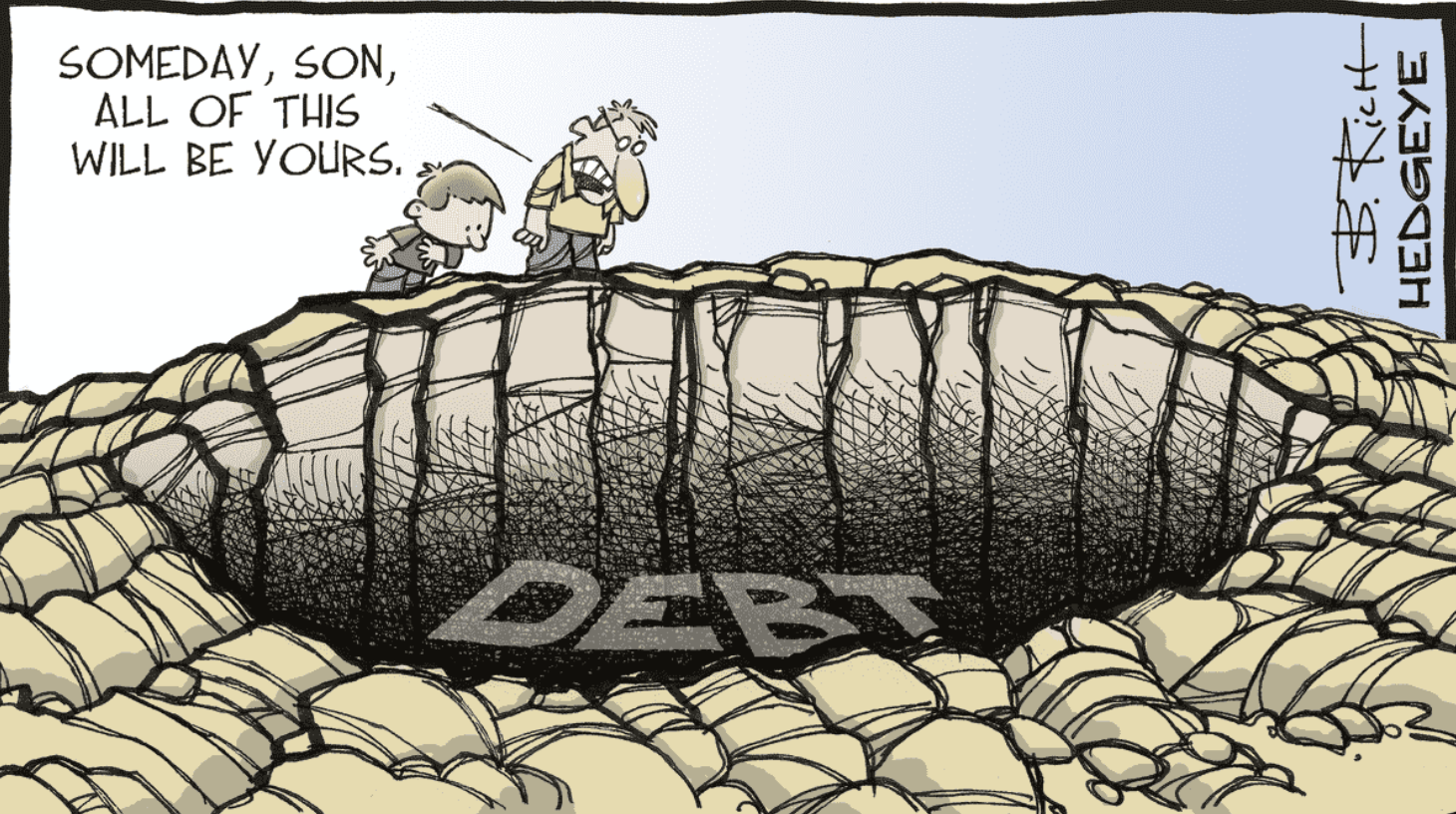 Household Debt
The latest weekly data from the Banking Regulation and Supervision Agency (BDDK) reveals a stark shift in the financial behavior of Turkish households. During the first two months of 2026, the combined volume of consumer loans and individual credit card debt surged to 5.94 trillion Turkish Lira, growing at a pace that has now outstripped official inflation figures.
Plastic Over Cash: The Surge in Credit Card Reliance
As the cost of living rises, citizens are increasingly turning to revolving credit rather than traditional cash loans. Analytical data for January and February highlights a significant trend: individual credit card debt rose by 7.97%, crossing the 2.2 trillion lira threshold. This growth marginally exceeded the 7.95% inflation rate for the same period, marking a “real” expansion in debt.
The most aggressive growth was seen in installment-based credit card debt, which spiked by 10.57%. This suggests that consumers are aggressively utilizing installment plans to defer the impact of high-ticket purchases. Conversely, traditional consumer loans—including housing and vehicle financing—declined when adjusted for inflation. Vehicle loans, in particular, plummeted to 47.6 billion lira, reflecting a sharp contraction in the automotive market.
Commercial Credit Stalls Amid Regional Conflict
While household debt grows, the corporate sector is pulling back. According to reporting from Dünya Gazetesi, commercial loans grew by 5.34% in nominal terms but actually shrank by 2.42% in real terms due to high inflation. This “real contraction” indicates that businesses are either struggling to access affordable financing or are freezing investments due to the high-interest environment and regional instability.
Central Bank Watch: Will the March 12 Meeting Bring a Pivot?
All eyes are now on the Central Bank of the Republic of Türkiye (TCMB) and its upcoming Monetary Policy Committee (PPK) meeting on Thursday, March 12.
While there were initial hopes for a rate cut following January’s move to 37%, the sudden escalation of the U.S.-Iran conflict has shifted the consensus toward a “wait-and-see” approach. The geopolitical crisis has sent global oil prices soaring, creating fresh inflationary pressures. Financial analysts now expect the Central Bank to keep rates steady, with some warning that banks may even implement “upward corrections” on credit interest rates to account for rising risk premiums.