Fuel Price Fears Grip Türkiye as Strait of Hormuz Tensions Rattle Energy Markets
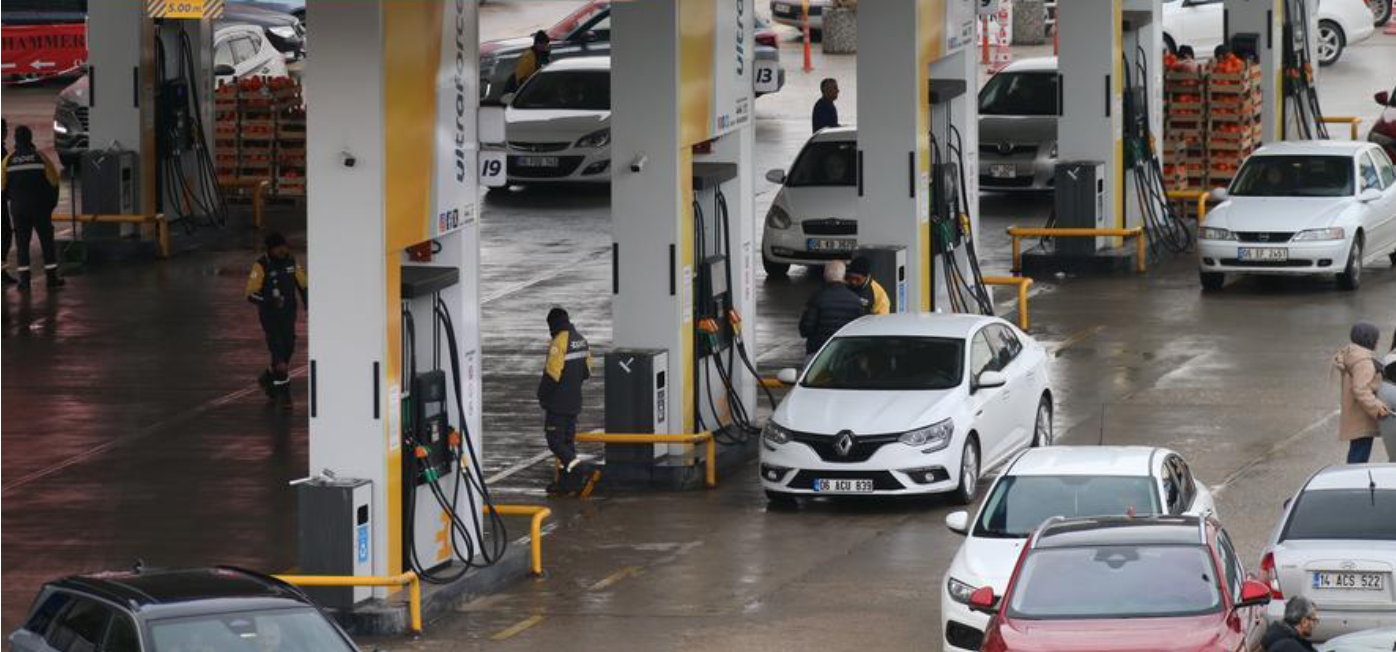 petrol queue
Rumors of a sharp diesel price increase sparked long queues at fuel stations in northwestern Türkiye, highlighting growing anxiety over rising energy costs as tensions around the Strait of Hormuz threaten global oil supply. Although authorities temporarily halted the increase, analysts warn the underlying risks remain.
Concerns about rising fuel prices triggered long lines at gas stations across northwestern Türkiye’s Kırklareli province late Tuesday, as motorists rushed to fill their tanks amid rumors of a significant diesel price hike linked to escalating tensions in the Strait of Hormuz.
Drivers waited in extended queues as uncertainty spread about potential increases in fuel costs.
“Even the rumor of a hike is enough for people to rush here,” said Ahmet Kuş, a delivery driver waiting at a fuel station. “Each trip already costs more than the last.”
Government temporarily halts diesel price increase
By Wednesday morning, the anticipated diesel price hike — expected to exceed 10 percent — was abruptly cancelled after government intervention aimed at limiting the immediate impact on consumers.
However, analysts say the relief may only be temporary, as the underlying geopolitical tensions affecting global energy markets remain unresolved.
The Strait of Hormuz, a narrow but critical waterway linking the Persian Gulf to global shipping routes, is one of the most important energy corridors in the world. Roughly 20 million barrels of oil pass through the strait each day, making it a vital artery for global energy supply.
Amid rising regional tensions, disruptions to shipping in the strait have rattled markets and fueled concerns about further price spikes.
Early Wednesday, Brent crude, the global oil benchmark, traded around $83.85 per barrel, reflecting persistent volatility in energy markets.
Energy shock poses risks for Türkiye’s inflation
For Türkiye, which relies heavily on imported energy, any disruption in oil flows through the Strait of Hormuz can quickly translate into higher domestic costs.
Inflation, already elevated, rose to 31.53 percent in February, up slightly from 30.65 percent in January, according to official data.
Core inflation — which excludes volatile items such as food and energy — stood at 29.46 percent, underscoring persistent price pressures across the economy.
Economic analyst Murat Tufan said the strategic importance of the Strait of Hormuz makes it particularly sensitive for Türkiye’s energy market.
“The Strait of Hormuz is a critical passage for oil shipments from multiple producing countries,” Tufan said. “Any disruption there quickly feeds into Türkiye’s energy costs.”
When energy prices rise, he added, the impact spreads across the entire economy.
“Higher fuel costs do not stay limited to gas stations. They affect production, logistics, transportation and ultimately consumer prices.”
Global tensions driving energy price volatility
Barış Doster, an international relations scholar at Marmara University, said geopolitical tensions around major energy chokepoints can rapidly influence global markets.
“Conflicts, diplomatic crises or even threats targeting strategic passages like the Strait of Hormuz immediately push oil prices higher,” Doster said.
“These shocks are quickly transmitted to households and businesses worldwide.”
Minister Mehmet Şimşek Speaks as Brent Oil Surges: “This Shock is Temporary”
New fuel hike reportedly on the way
Despite the temporary cancellation, industry sources cited by Turkish financial news outlet Ekonomim said another fuel price increase could take effect soon.
According to those reports, diesel prices could rise by 12.45 Turkish lira per liter starting Thursday night, pushing the price above 72 lira ($1.63) per liter for the first time.
Gasoline prices are also expected to increase by 3.68 lira per liter.
For drivers like Kuş, the uncertainty surrounding fuel prices is already being felt.
As vehicles continued lining up outside fuel stations late into the night, many motorists appeared determined to fill their tanks before any potential increase takes effect — a reminder of how quickly geopolitical tensions can reach everyday consumers.
Xinhua, Turkish press
Related articles

Iranian Dissident Source Says Trump Determined to Strike Iran, Timing Still Under Debate
Istanbul Report Warns Food Insecurity Concerns at Record High

Rising Tensions Put Turkey and Israel on Potential Collision Course in Syria