



Turkish Textile Crisis: 3 in 10 Workers Jobless as 10,000 Businesses Collapse
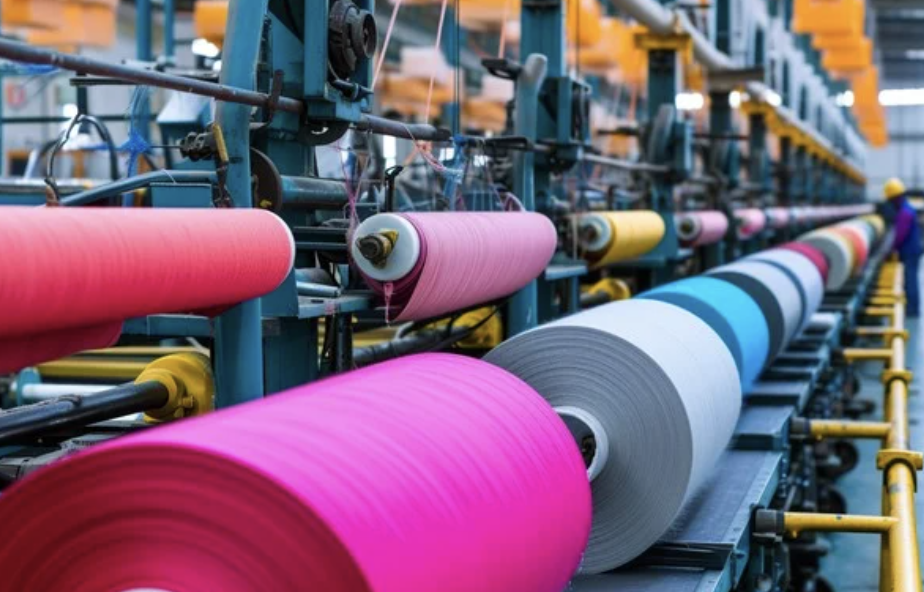 Textile Industry in Turkey
The backbone of the Turkish economy is fracturing. Once celebrated for its high employment rates and consistent foreign trade surpluses, the textile and ready-to-wear clothing sector is currently navigating its most severe contraction in decades. New data reveals a staggering decline: since late 2022, approximately 30% of the workforce in these industries has been laid off, highlighting a deepening industrial crisis that threatens Turkey’s manufacturing sovereignty.
The Employment Hemorrhage: 1.2 Million to 845,000
The scale of the labor market collapse is laid bare by figures from the Social Security Institution (SGK). At the close of 2022, the combined textile and apparel sectors employed 1,222,609 individuals. Fast forward to December 2025, and that number has plummeted to 845,904.
This means that in just three years, every 10 workers saw 3 of their colleagues lose their livelihoods. In the last year alone, 113,491 registered employees were let go. Industry experts warn that these figures only represent formal, registered employment; when informal labor is factored in, the social cost of this contraction is likely far more devastating.
A Graveyard of Factories: 9,936 Closures
The crisis isn’t just affecting individuals; it is dismantling the very infrastructure of Turkish production. Since 2022, the number of active workplaces in the sector has dropped from 64,050 to 54,114.
-
Ready-to-Wear: 4,126 companies shuttered in a single year, leaving only 35,514 active firms.
-
Textiles: 861 businesses closed their doors in the same period, bringing the total down to 18,600.
-
Total Loss: Over the three-year window, 9,936 businesses—mostly manufacturing plants—have permanently ceased operations.
This mass “shuttering of the looms” signals a transition from a production-based economy to one struggling with idle capacity and lost expertise.
The Cost-Exchange Gap: A Death Sentence for Competitiveness
According to Mustafa Paşahan, Vice President of the Istanbul Ready-to-Wear and Apparel Exporters’ Association (İHKİB), the root of the problem lies in a massive mathematical imbalance. Between January 2022 and January 2026, production costs surged by 560%, while the US Dollar exchange rate only rose by 217%.
“There is a 150-point gap between inflation and the exchange rate,” Paşahan noted. “Unless inflation, currency, and costs move in balance, we cannot regain our competitiveness. Labor-intensive sectors are in deep trouble.”
For exporters, this means their goods are becoming too expensive for global markets, while their domestic costs—driven by energy prices and labor—continue to spiral out of control.
2026 Outlook: War and Waning Demand
The hopes for a recovery in the second half of 2026 are fading. Şeref Fayat, President of the TOBB Garment and Ready-to-Wear Industry Council, points out that even with government employment subsidies of 3,500 TL, many manufacturers are choosing to exit the market.
“People are saying, ‘I can’t endure this anymore,'” Fayat explained. The anticipated demand surge from Europe, Turkey’s primary export market, is now clouded by the geopolitical instability involving the US, Israel, and Iran.
As long as the Strait of Hormuz remains a flashpoint and global energy prices fluctuate, the Turkish textile sector remains in a defensive crouch. If demand does not revive, the industry expects a further 4-5% loss in both exports and employment throughout the remainder of 2026.