Fatih Çekirge: Four Questions the War Brings to Türkiye
 tr iran
Pro-government Hurriyet Columnist Fatih Çekirge argues that the world has entered an era where power outweighs justice following U.S. strikes on Iran. Framing President Donald Trump’s leadership style as rooted in raw force rather than diplomacy, Çekirge outlines four key questions for Türkiye: migration risk, economic fallout, possible spillover of war, and whether Washington’s real objective is regime change or long-term military degradation of Iran.
Author Fatih Çekirge

“Watch This State of Mind”
Fatih Çekirge opens his commentary with a warning about what he describes as a troubling global mindset.
He recalls writing about Donald Trump celebrating his leadership inside the cage of a UFC championship event — a symbol, in Çekirge’s view, of admiration for brute force and combat. He argues that a leader who embraces such imagery reflects a worldview driven by strength rather than diplomacy.
Now, with U.S. strikes hitting Tehran, Çekirge says the moment he warned about has arrived: a world governed not by justice, but by power.
Four Questions for Türkiye
As bombs began falling in Tehran, Çekirge writes, urgent questions immediately arose in Türkiye. He frames them not as selfish concerns, but as legitimate national interests.
1) Will There Be a Migration Wave?
The first concern is whether a mass migration from Iran could reach Türkiye’s borders.
Çekirge recalls asking Defense Minister Yaşar Güler about this possibility. Güler reportedly said:
“We are taking precautions. We are fully prepared. Winter conditions and heavy snow in the border region make large-scale migration unlikely at this time.”
Türkiye’s eastern border, particularly areas such as the 6th Border Brigade in Van’s Başkale district, has reportedly intensified inspections and security measures. Thousands of illegal crossings were prevented along the Iranian border last year.
Çekirge also notes a psychological distinction between Iran and Syria. Unlike Syrians during the civil war, many Iranians may prefer confronting their regime internally rather than fleeing abroad.
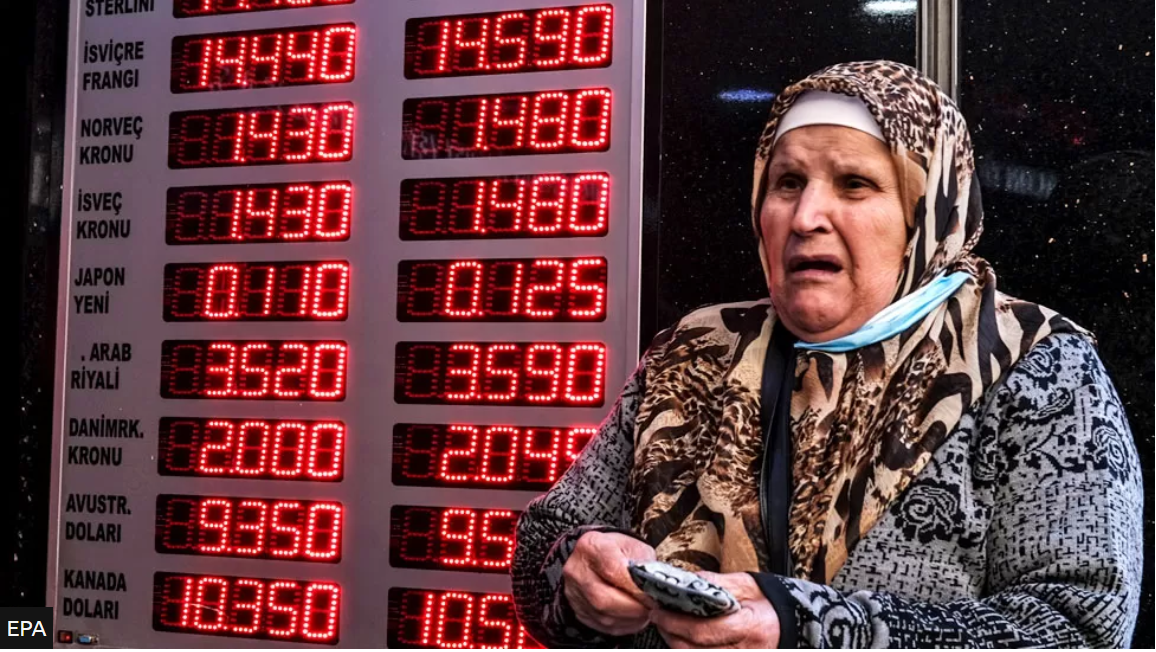
2) What Will Be the Economic Impact?
Iran sends an average of five million tourists to Türkiye annually.
In 2025 alone, approximately 750,000 Iranian visitors traveled to Van. Cities like Trabzon, Erzurum, Kars, and Gaziantep also benefit significantly from Iranian tourism.
A prolonged war could:
-
Further weaken Iran’s already strained economy
-
Reduce outbound tourism
-
Hurt regional Turkish economies reliant on cross-border commerce
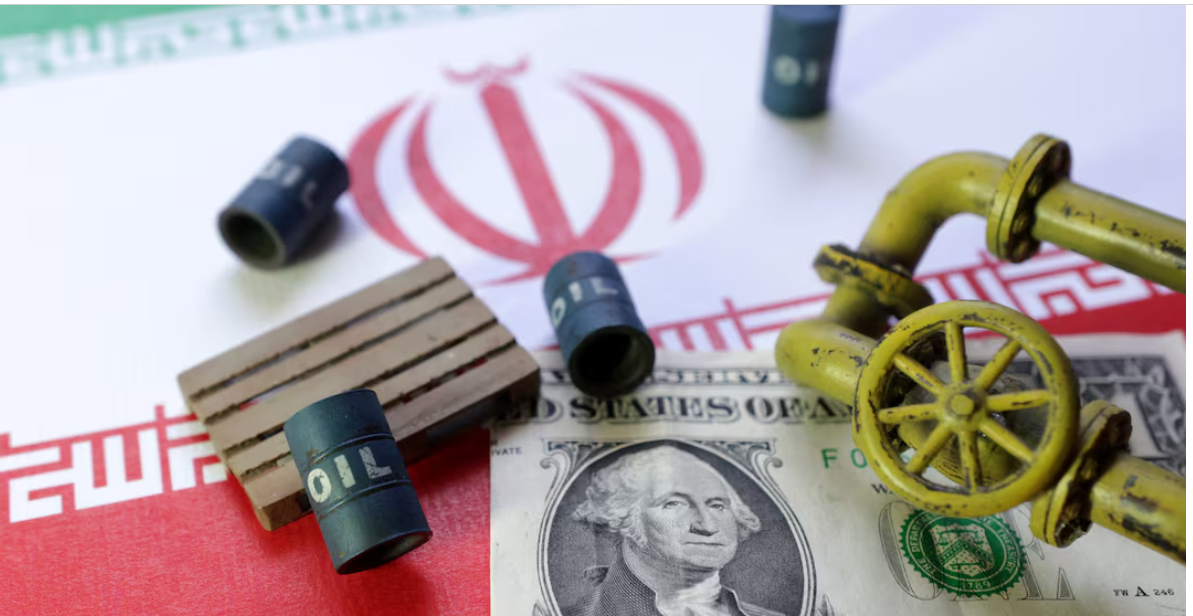
Beyond tourism, Çekirge highlights risks from potential increases in global oil prices, which would add pressure to Türkiye’s energy-import bill.
He also points to Turkish corporate investments across Gulf countries. If the conflict expands or Iran continues targeting Gulf states, projects involving Turkish firms could face delays.
3) Could the War Spill Over into Türkiye?
In the first hours of escalation, Iran reportedly targeted U.S. bases in Bahrain, Qatar, the UAE, and Kuwait.
Çekirge argues that a direct Iranian attack on Türkiye is unlikely, noting Ankara’s efforts toward peace and its criticism of Israeli strikes.
However, he raises the possibility of provocation — including covert destabilization attempts. He suggests Turkish intelligence services are evaluating all scenarios.
4) Is the Real Goal Regime Change — or Setting Iran Back 30 Years?
While Trump has signaled support for regime change, Çekirge questions whether Washington’s true objective is instead the destruction of Iran’s nuclear and tactical military capacity.
He argues the strategic aim may be to push Iran’s defense industry back by decades rather than to promote democratic reform.
Such an outcome would likely reassure countries that view Iran as a threat, including Israel, Saudi Arabia, and Gulf states.
Çekirge expresses skepticism that the U.S. intervention is primarily motivated by concerns over Iranian human rights.
The Collapse of Iran’s Proxy Network
Another likely objective, Çekirge writes, is weakening Iran’s regional proxy forces:
-
Hashd al-Shaabi in Iraq
-
The Houthis in Yemen
-
Hezbollah in Lebanon
Curtailing Iran’s support for these groups would reshape regional power balances.
At the center of the geopolitical stakes are two critical pressure points: global oil markets and the Strait of Hormuz, both essential to world supply chains.
Final Warning
Çekirge concludes that if Iranian retaliation proves effective, the United States could respond with far heavier strikes.
As the situation evolves, he suggests Türkiye must remain alert — not only to military developments but to economic and political ripple effects.
PA Turkey intends to inform Turkey watchers with diverse views and opinions. Articles in our website may not necessarily represent the view of our editorial board or count as endorsement.
Follow our English YouTube channel (REAL TURKEY):
https://www.youtube.com/channel/UCKpFJB4GFiNkhmpVZQ_d9Rg
Twitter: @AtillaEng
Facebook: Real Turkey Channel: https://www.facebook.com/realturkeychannel/