Authorities apprehend renegade chimp, terror suspicion investigated
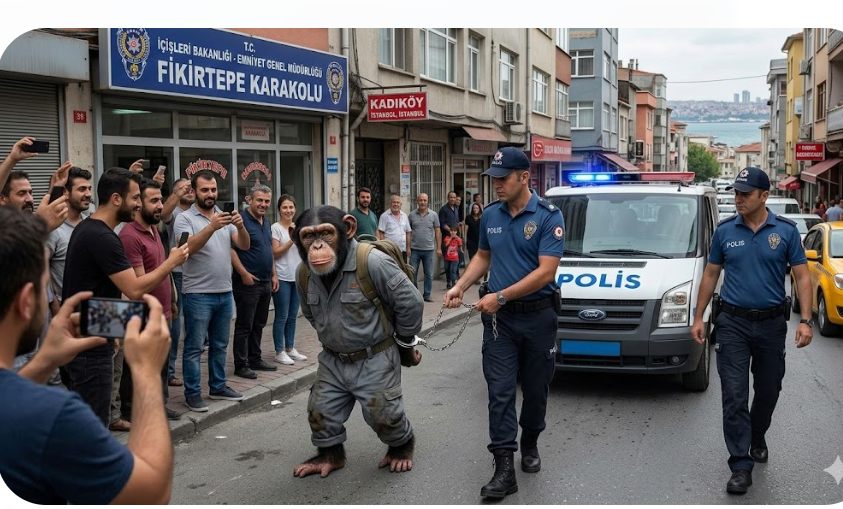 renegade ape
The Great Escape of Kadıköy: Was the Suspect Under the Influence?
By Atilla Yeşilada Inspired by real events and the surreal nature of Turkish daily life.
In the heart of Kadıköy’s Fikirtepe district, a neighborhood already accustomed to high-stakes drama, a new protagonist emerged this week: a Rhesus macaque. This particular primate, classified as a “prohibited species” (though no one told the monkey), staged a daring escape from a local business where it was being held illegally.
For several hours, the macaque transformed the rooftops and balconies of Fikirtepe into its own personal jungle gym, leaving residents wondering if they had missed a secret screening of Planet of the Apes. After a flurry of panicked calls to the authorities, specialized teams finally apprehended the fugitive in its hiding spot. While the General Directorate of Nature Conservation and National Parks assured the public that the monkey is in good health, the legal hammer is falling on its “employer” for unauthorized possession.
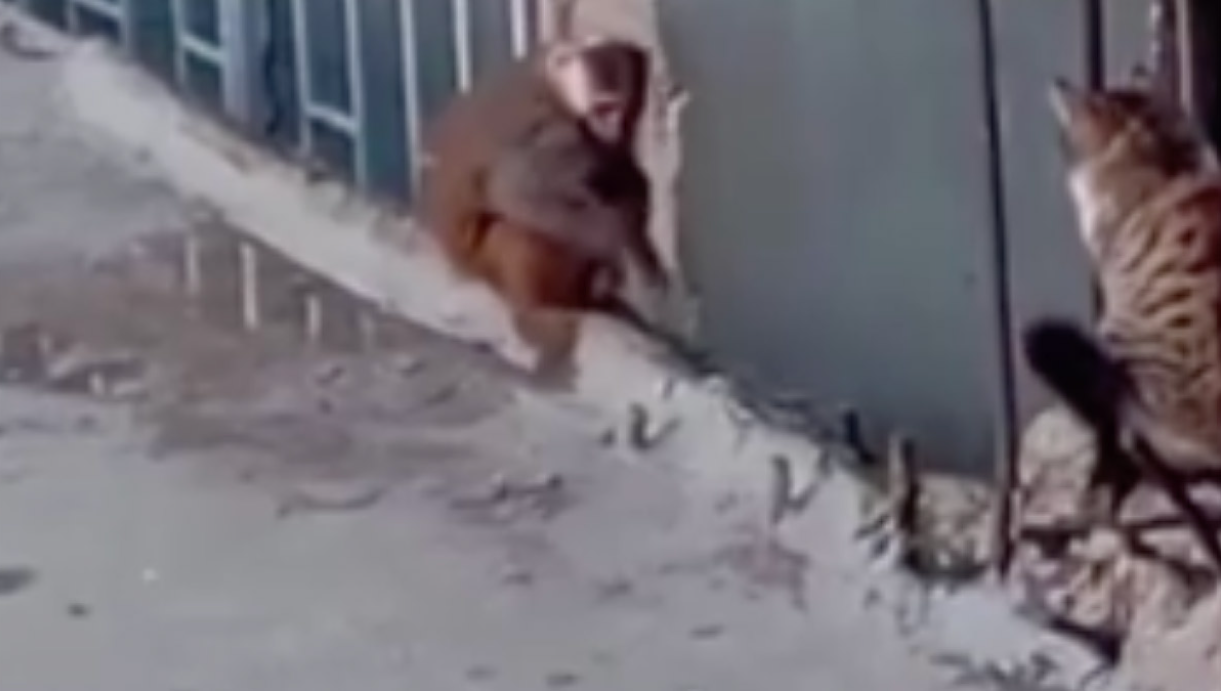
However, the real question remains: Was the suspect drunk?
The “Drunk Monkey” Defense
While Kadıköy is famous for its nightlife, the idea of a tipsy macaque isn’t as far-fetched as it sounds. A groundbreaking study conducted by researchers at the University of California, Berkeley, has breathed new life into the “Drunk Monkey Hypothesis.”
Fieldwork conducted in Uganda’s Kibale National Park reveals that wild primates frequently consume fermented fruits, leading to daily alcohol intakes of approximately 14 grams—the equivalent of two standard drinks for a human. Using innovative urine sampling techniques, researchers Aleksey Maro and Robert Dudley found high levels of ethyl glucuronide (an alcohol metabolite) in nearly every sample tested.
In human terms, the levels found in these primates would easily land them a “mildly intoxicated” label during a routine police stop. If our Kadıköy macaque had been raiding local fruit stands, it might very well have been over the legal limit for a midday rooftop stroll.
A Sociological Crisis: The Radicalization of Adolescent Monkeys
The incident has opened a Pandora’s box of legislative and social concerns. As we all know, Turkish law strictly prohibits primates under the age of 18 from consuming alcohol. Following the completion of administrative paperwork, the suspect may be referred to Forensic Medicine for a full toxicology report to determine if its erratic rooftop behavior was fueled by fermented figs or perhaps something stronger.
It is a well-documented “fact” that the relative affordability of fruits and vegetables in Turkey—at least compared to the rest of the world—may be inadvertently encouraging bad habits among our simian neighbors. Easy access to overripe produce is essentially a gateway to a life of debauchery.
In response to this growing “moral decay” among urban wildlife, some authorities are reportedly considering a bold legislative proposal: installing 24/7 surveillance cameras in zoos and private facilities. The goal? To monitor “adolescent monkeys” and curb the use of recreational substances. After all, if we can’t keep the monkeys off the rooftops, we can at least make sure they aren’t having a good time while they’re up there.