



The Architect of “Moderate Islam” is Dead: CIA Veteran Graham Fuller Dies at 89
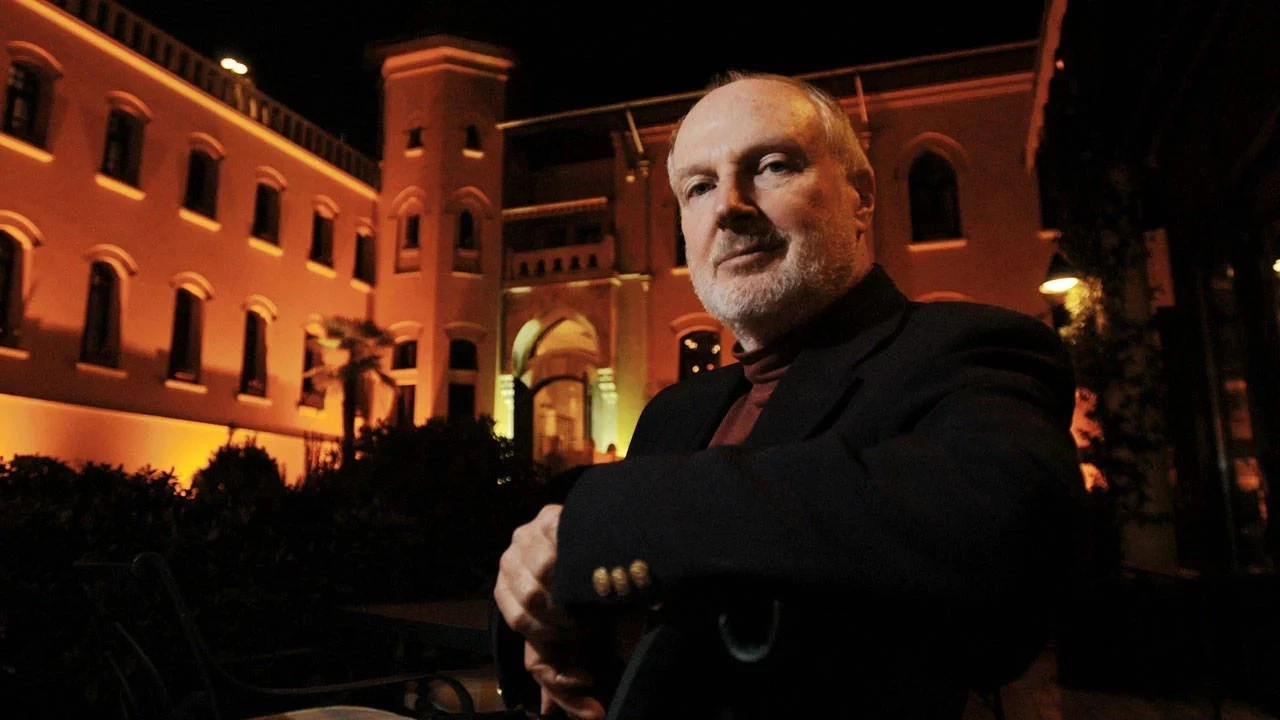 Graham-Fuller
Graham Fuller, a towering and controversial figure in global intelligence and a key architect of Middle Eastern policy, has died at the age of 89. Known for his deep ties to political Islamist movements and his unwavering support for the FETÖ organization, Fuller’s passing marks the end of an era for the “Green Belt” strategy that reshaped 20th-century geopolitics.
The Man Who Backed Gülen: A Legacy of Intervention
Fuller’s name became synonymous with controversy in Turkey due to his pivotal role in securing permanent residence in the United States for the late FETÖ leader, Fethullah Gülen. Following Gülen’s own death in 2024, it was revealed that Fuller was one of the primary figures who authored the recommendation letters that allowed the cult leader to remain on American soil despite numerous legal challenges.
His involvement went beyond simple advocacy. Turkish authorities had issued an arrest warrant for Fuller in connection with the failed July 15, 2016 coup attempt. The charges included “attempting to overthrow the government” and “political or military espionage,” solidifying his reputation in Ankara as a shadow operator working against Turkish interests.
Architect of the “Green Belt” Strategy
As a former Vice Chairman of the National Intelligence Council at the CIA, Fuller was a master strategist during the Cold War. He was a primary proponent of the “Green Belt Project,” a geopolitical maneuver designed to utilize “moderate Islamist movements” as a bulwark against Soviet communism.
Throughout his career, he served as the CIA Station Chief in Kabul and held high-ranking positions across Germany, Turkey, Lebanon, and Saudi Arabia. His expertise in Near East and South Asia policy helped define how Washington interacted with the Islamic world for decades, often advocating for a “dialogue” with religious movements that others viewed with suspicion.
A Final Chapter in the Shadow of Espionage
Fuller reportedly died on January 29 due to heart-related complications, surrounded by his family. While he remained a respected intellectual in certain Western academic circles, his death is viewed through a much darker lens in the Middle East.
To his critics, he was the ultimate intelligence operative who prioritized American hegemony over regional stability. To his supporters, he was a visionary who understood the power of religious identity in politics. Regardless of the perspective, his death closes the book on a strategist who spent his life navigating the intersection of faith, power, and espionage.