Rising Costs in Turkey Drive Syrian Refugees Back to Damascus
 syrian-refugees
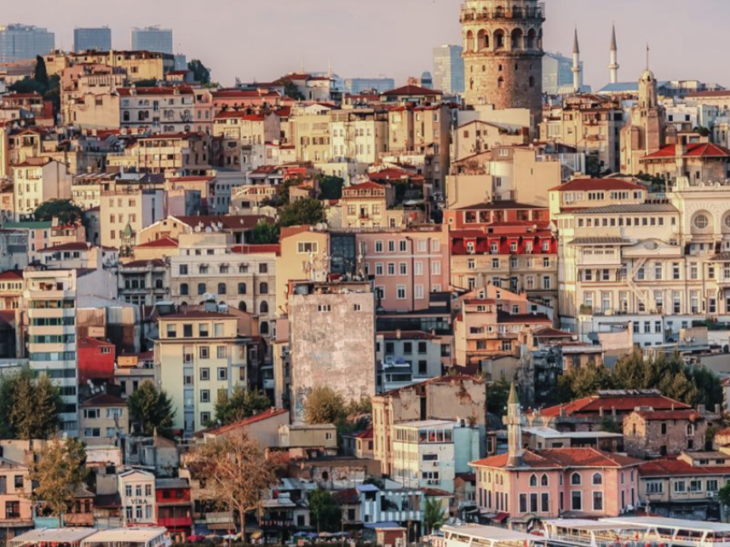
For years, Istanbul’s historic Fatih district has served as a sanctuary and economic hub for Syrian expatriates. However, a dramatic shift in Turkey’s economic climate is sparking a mass migration in the opposite direction. Reports from Syria’s official news agency, SANA, suggest that the “dream of Istanbul” is fading, replaced by a harsh reality of soaring prices and stagnant wages.
“The Prices Have Taken Flight”: Life in Malta Bazaar
During a series of interviews conducted at the Malta Bazaar in Fatih on the first day of Ramadan, Syrian shopkeepers and residents expressed a shared sentiment: Turkey is becoming unaffordable. Once a bustling center for the Syrian community, the bazaar now echoes with concerns over the rising cost of living and a lack of viable employment opportunities.
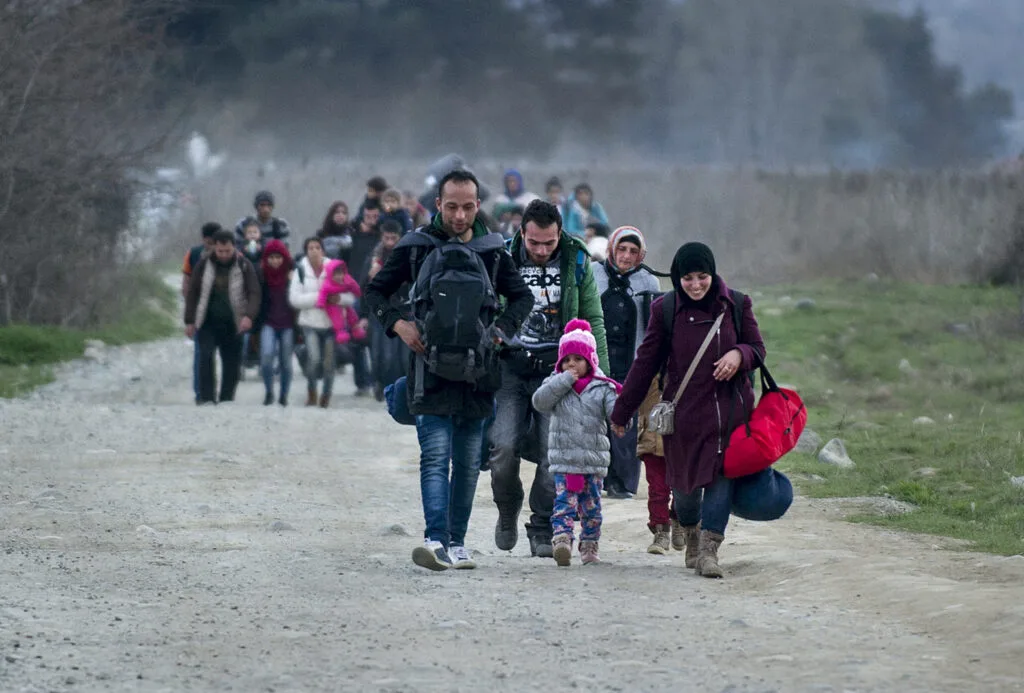
“People miss home,” says Enes Basmaci, a Syrian national interviewed by the agency. “God willing, by the end of the year, everyone in exile will return to help rebuild the homeland.” His words reflect a growing trend of “reverse migration” driven not just by nostalgia, but by economic necessity.
Next Ramadan in Damascus?
The economic pressure has reached a breaking point for many small business owners who previously found success in Turkey’s largest city. İyad Çelebi, a local merchant, revealed that his family has already relocated to Damascus, and he plans to follow as soon as his remaining business affairs are settled.
“Life’s expenses are no longer normal; prices have flown through the roof,” Çelebi explained. He noted a stark contrast between this year and the last, citing low purchasing power and a lack of job security. “We might not even wait for the next Ramadan to leave,” he added, highlighting the urgency of the situation.
The Economic Vacuum and the Reconstruction of Syria
As the Turkish lira continues to face volatility and inflation, the incentive to stay in Istanbul is diminishing. For many, the prospect of returning to Syria—a nation in the midst of slow reconstruction—is becoming more attractive than struggling to survive in a high-cost urban environment.
This shift marks a significant turning point in the region’s geopolitical demographics. While political discussions regarding refugees continue, the market is making its own decision: when the cost of living outweighs the opportunity, the road leads home.