



44 Detained in Major Customs Bribery Crackdown
 bribery-crackdown
A sweeping anti-corruption operation centered in Hatay has led to the detention of 44 individuals, including public officials accused of accepting bribes at customs crossings. Authorities allege that the suspects operated a coordinated bribery system using encrypted communications and a shared “pool” mechanism to distribute illicit payments on a monthly basis.
The investigation, conducted under the coordination of the Hatay Cumhuriyet Başsavcılığı, focused on alleged bribery and smuggling-related offenses. Teams from the Hatay Emniyet Müdürlüğü carried out simultaneous raids in eight provinces, including Hatay, Istanbul, Antalya, Adana, Mersin, Şanlıurfa, Diyarbakır, and Kilis.
A total of 46 suspects were subject to legal action. Of those, 44 were taken into custody, while two individuals were identified as being abroad at the time of the operation.
Large Sums of Cash and Weapons Seized
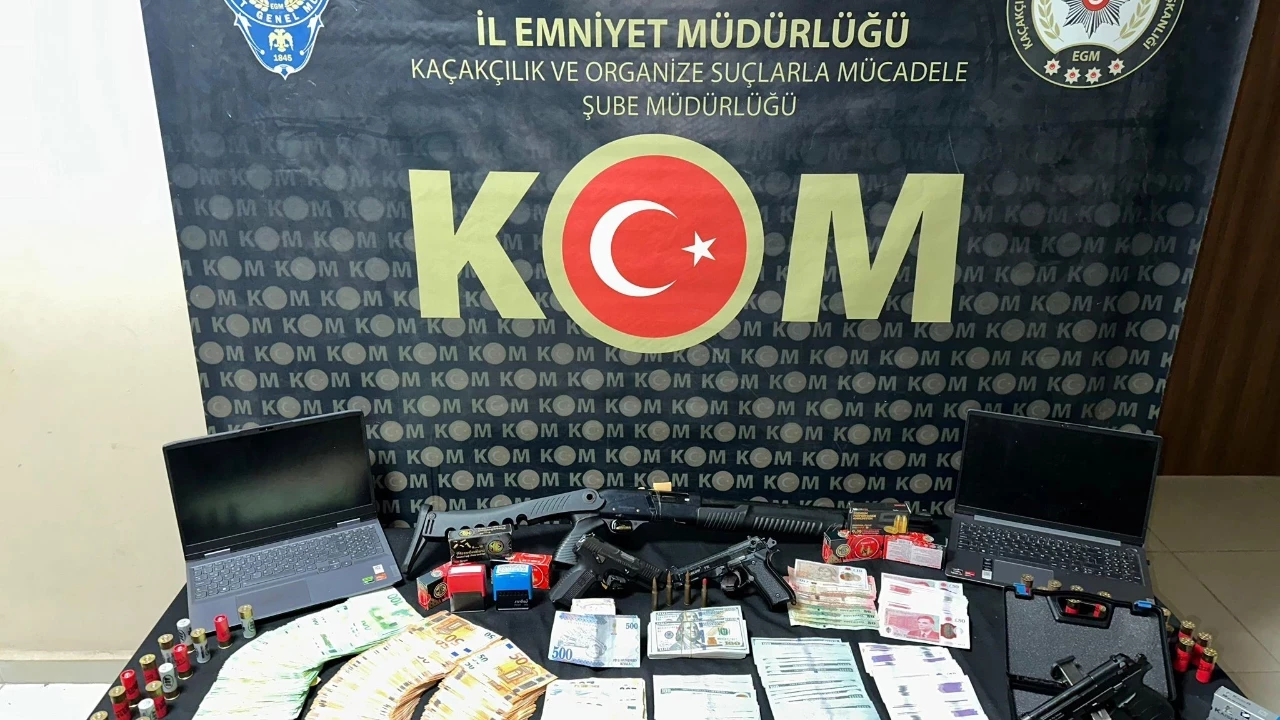
Searches conducted at the suspects’ homes and workplaces uncovered substantial amounts of cash in multiple currencies. Authorities seized 76,985 US dollars, 52,130 euros, 87,310 Turkish lira, and 3,100 Saudi riyals. In addition, 41 mobile phones were confiscated during the investigation.
Law enforcement officers also reported the seizure of unlicensed firearms, including a handgun and a shotgun, along with a significant quantity of ammunition. The discovery of both large sums of money and weapons has intensified the seriousness of the allegations surrounding the network.
Following procedures at the police station, 36 suspects were referred to the courthouse on February 20. Of those, 26 were formally arrested, while 10 were released under judicial supervision measures.
Encrypted Communication and “Bribery Pool” System
According to investigators, the alleged bribery scheme was highly organized and systematic. Technical and physical surveillance reportedly revealed that suspects used internet-based applications and encrypted phone communications to coordinate activities and avoid detection.
Authorities claim that customs officials involved in the network increased illegal “transition fees” at the beginning of each year. The collected bribes were allegedly gathered in a common pool and distributed among participants at the end of each month.
This structured approach, investigators say, enabled the scheme to continue for an extended period while minimizing the risk of exposure.
Allegations of Irregular Customs Processing
The probe further uncovered claims of procedural misconduct at border crossings. Among the alleged irregularities were allowing goods that should have been sent for laboratory analysis to pass without inspection in exchange for bribes.
Investigators also found indications that shipments inconsistent with official documentation were overlooked. In some cases, vehicles categorized as high-risk were allegedly processed as if they had undergone proper inspections, even though they bypassed standard controls.
Such practices, if proven, could represent serious breaches of customs regulations and national security protocols, as well as significant financial losses for the state.
Multi-Province Anti-Corruption Effort
The operation highlights the scale and coordination of anti-corruption efforts in Turkey’s customs system. By extending raids across eight provinces, authorities signaled a comprehensive approach aimed at dismantling the entire network rather than targeting isolated individuals.
Customs checkpoints play a critical role in regulating trade, preventing smuggling, and safeguarding public revenue. Allegations of bribery within such institutions carry wide-ranging implications, from economic distortions to security vulnerabilities.
Officials have not yet disclosed the full scope of the financial transactions involved, but the volume of seized currency suggests that the alleged network handled significant sums.
Ongoing Legal Process
The judicial process is continuing, and further developments are expected as prosecutors examine digital evidence obtained from seized devices. The two suspects believed to be abroad may face additional legal steps depending on international cooperation procedures.
As investigations deepen, authorities are expected to scrutinize potential links between the detained individuals and broader smuggling operations. The case underscores the importance of transparency and oversight mechanisms within border and customs administration.
The outcome of the trial proceedings will determine the legal responsibility of the suspects. For now, the operation stands as one of the most extensive recent crackdowns on alleged customs bribery networks in multiple Turkish provinces.